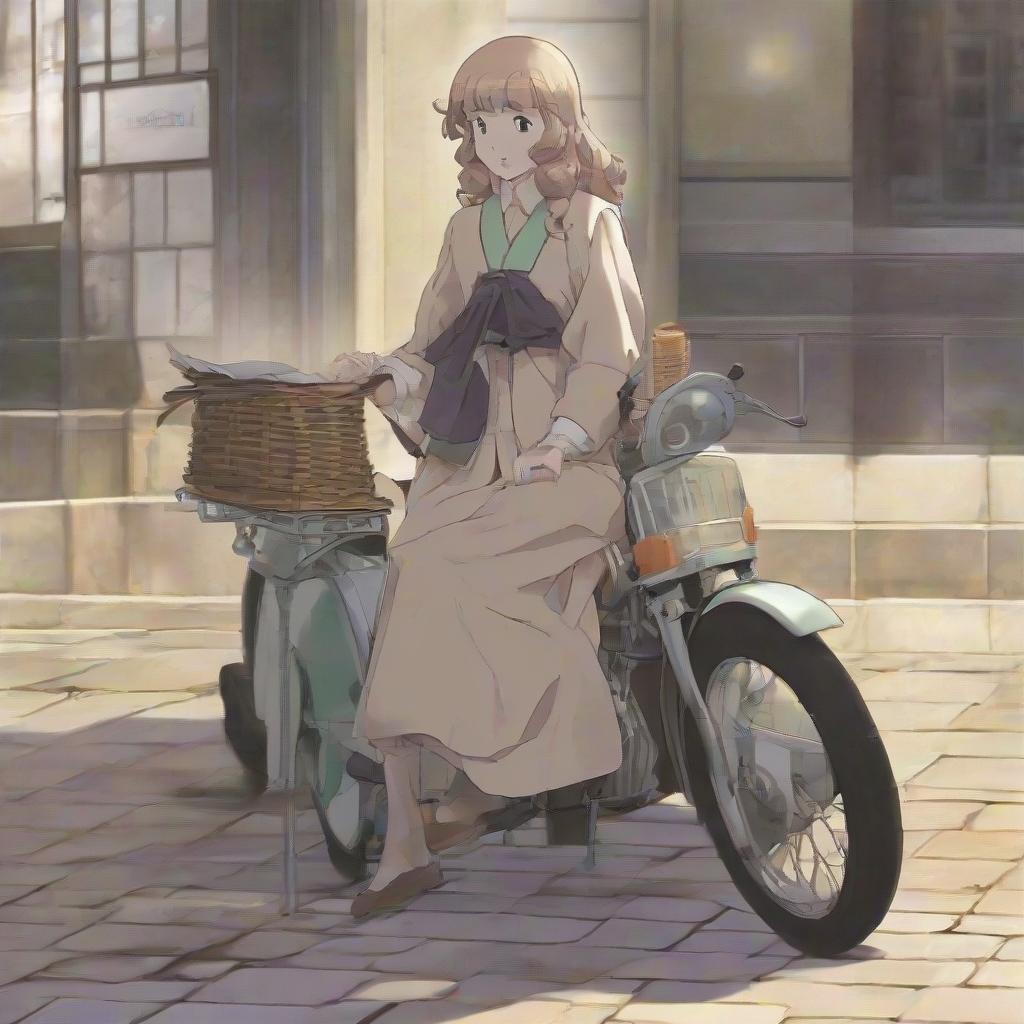
Anime Trends of Yesteryear: A Look Back and a Glimpse Ahead
Anime, like any dynamic art form, is subject to trends. These trends can range from subtle stylistic choices to overarching genre conventions, and their popularity often waxes and wanes over time. In this article, we'll take a nostalgic journey through some bygone anime trends, exploring why they emerged, how they evolved, and what their legacy is today.
The Art of the Ending Theme Transition
Remember when the ending theme song would seamlessly blend into the final moments of an episode? This technique, where the music would begin before the credits rolled, was a popular way to create a sense of closure and anticipation for the next installment. Shows like City Hunter, Black Lagoon, and Mai-HiME all utilized this trick to great effect.
This trend emerged, in part, due to its sheer coolness factor. It added a layer of sophistication and emotional resonance to the viewing experience. Furthermore, it became iconic in franchises like JoJo's Bizarre Adventure, so much so that fans eagerly anticipated its return in later iterations of the series. The strategic use of music can elevate a show's impact and create lasting memories for viewers.
The Rise and Fall of Yandere Archetypes
The yandere archetype, characterized by characters who are obsessively in love and willing to resort to violence to protect their beloved, experienced a surge in popularity in the past. Characters like Yuno from Future Diary, Kotonoha from School Days, and Shion from Higurashi: When They Cry epitomized this trend with their gory and graphic exploits.
However, the yandere archetype has softened over time. While the term is still used, many modern depictions lack the extreme violence and psychological depth that defined the original trend. It's as if the archetype has been diluted for broader appeal, losing some of its subversive edge.
Anthropomorphism: When Everything Gets a Human Form
Anime has a long and fascinating history of anthropomorphism, the practice of giving human characteristics to non-human entities. From guns and swords to countries and soda cans, nothing is off-limits. Uma Musume, with its cute horse girl characters, is a recent example of this enduring trend.
While the concept might seem absurd at first glance, it has proven to be incredibly marketable. By imbuing inanimate objects or abstract concepts with human personalities, anime creators can tap into a wide range of fan interests and create memorable characters.
The Everlasting Influence of "Moe"
The "moe" aesthetic, characterized by cute and innocent character designs, has had a profound impact on anime. While dedicated "ensemble of girls hanging out to be cooed over" shows may be less common now, the influence of moe can be seen in a wide variety of anime genres. Many isekai series, for example, feature cute little sister characters, seemingly out of obligation.
The moe aesthetic has become so pervasive that it's almost invisible. It's a fundamental part of anime's visual language, shaping character designs and influencing storytelling choices across the medium.
The Kirara Jump and Other Opening Sequence Quirks
Opening sequences are a crucial part of the anime experience, and they often feature recurring visual tropes and trends. The "Kirara Jump," a joyful group jump performed by cute girls, is an evergreen example of this phenomenon. Similarly, the "Reservoir Dogs-ing" trend, where characters walk in a line with a sense of purpose, has appeared in various anime openings.
These small signifiers add to the overall charm and memorability of anime. They're like inside jokes that fans can recognize and appreciate, further enhancing their connection to the series.
Incest: A Controversial Trend
Incestuous relationships have been a recurring theme in anime, often used as a source of drama and taboo exploration. While the topic remains controversial, dedicated takes on the sibling-smooching fantasy have risen and fallen as a trend. However, recent depictions of incest in anime tend to be less subversive and affecting than in years past.
Whether you find it titillating or distasteful, incest has undeniably left its mark on anime. It's a reminder that the medium is willing to tackle complex and uncomfortable themes, even if the results are not always successful.
The Lost Art of English Opening Themes
Remember when English dubs of anime included English versions of the opening and ending themes? This practice, while not always executed perfectly, added a unique layer of charm and personality to the viewing experience. The dubbed version of the classic Dragon Ball opening, for example, remains a guilty pleasure for many fans.
Sadly, this trend has largely died out. The reasons are complex, but they likely involve a combination of factors, including changes in the anime dubbing industry and a greater emphasis on preserving the original Japanese versions of songs.
The Shift from 26 Episodes to Single-Cour Seasons
In the past, anime series often ran for 26 episodes, allowing for more in-depth character development and storytelling. However, the modern trend is towards shorter, single-cour seasons, typically consisting of 12 or 13 episodes. This shift has been driven by budget constraints and the fast-paced nature of the anime industry.
While shorter seasons can be more efficient and focused, they can also feel rushed and unsatisfying. Many fans miss the longer, more leisurely pacing of older anime series.
The Rise and Fall (and Rise?) of Extra-Long Premieres
A few years ago, extra-long premieres became a popular way to launch new anime series. These extended episodes were designed to grab viewers' attention and provide a more immersive introduction to the story. However, this trend has been somewhat inconsistent. While extra-long premieres may be exciting for viewers, they can also be a logistical challenge for reviewers and content creators.
Trends Are Cyclical
Ultimately, trends in anime are cyclical. What's popular today may fade away tomorrow, only to be resurrected in a new form years later. Anime that truly stand out do so because they execute well on their whole package, regardless of whether they set or chase trends.
The enduring popularity of the Chika dance from Kaguya-sama: Love is War, for example, demonstrates the vast potential of dancing anime endings. Similarly, the MASHLE opening features dancing, bringing things full circle.
The anime landscape is constantly evolving, with new trends emerging and old ones being reinvented. By understanding these trends, we can gain a deeper appreciation for the art form and its dynamic relationship with its audience. As we look to the future, it's exciting to imagine what new and innovative trends will emerge in the world of anime.