The #OtakuNiYoruHansenDemo: A Unique Stand for Peace
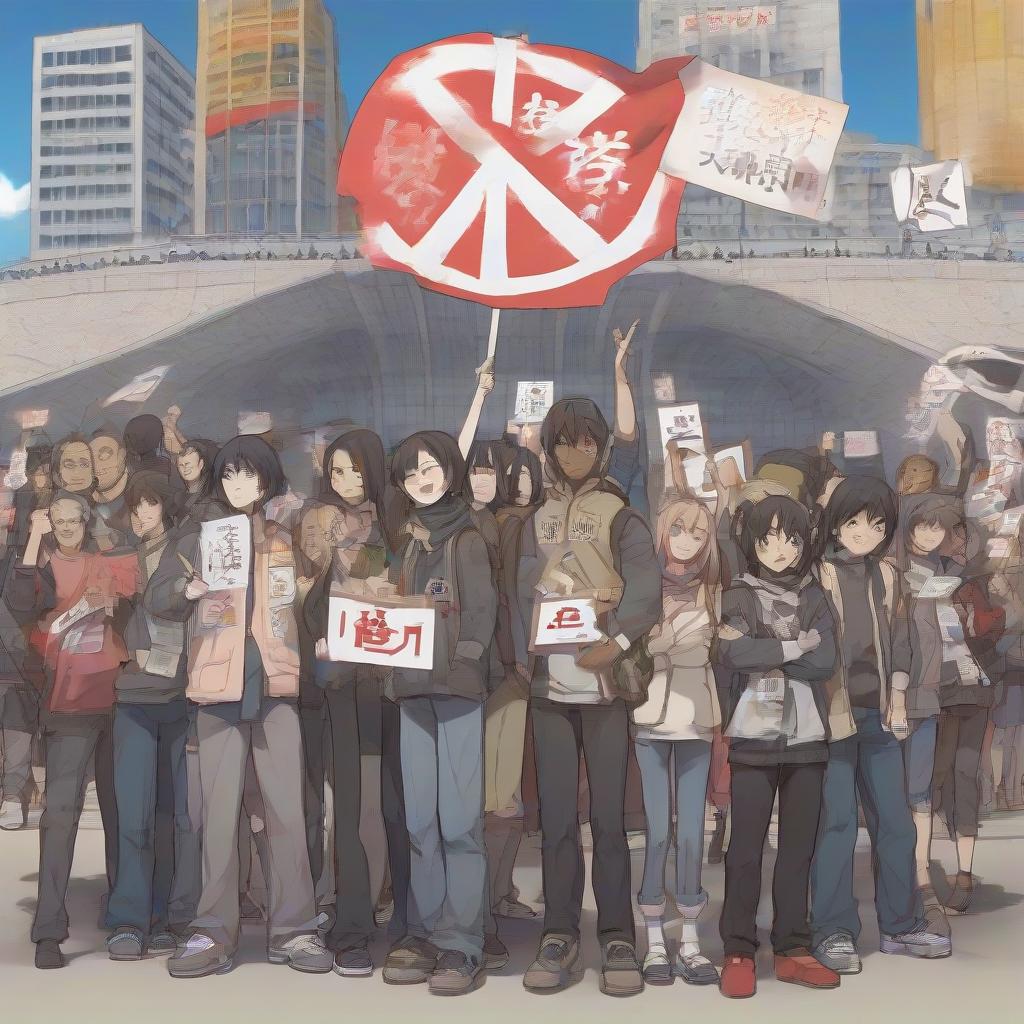
The landscape of activism is evolving, and in Japan, a prominent example recently emerged with the March 28 “otaku anti-war protest.” Organized by former teacher Hiroyuki Takahashi, the event, officially titled #OtakuNiYoruHansenDemo, or #AntiWarProtestByOtaku, drew significant attention. Held in front of Japan's National Diet Building, the movement's core message resonated deeply with its participants: “Don't turn a world in which our oshi exist into a battlefield.” This powerful theme highlights the unique intersection of fandom culture and a plea for global peace, framing the destruction of war as a direct threat to the very worlds and characters that fans cherish.
The protest itself garnered substantial support, with organizers reporting an impressive turnout of 3,800 individuals. Among the notable attendees and supporters were acclaimed manga creator Kentarō Takekuma, known for Super Mario Adventures, and voice actor Maya Okamoto. The movement also received artistic endorsements from celebrated illustrators such as Katsuya Terada, known for Blood: The Last Vampire, and manga creator Nozomu Tamaki, creator of Dance in the Vampire Bund, who contributed illustrations to bolster the anti-war message. These contributions underscored the broad appeal and artistic backing for a cause rooted in the protection of shared cultural values.
Masayoshi Oishi's Concerns: Bridging Otaku Culture and Activism
Japanese singer Masayoshi Oishi, during his radio program Young Town Kayōbi on March 31, shared his nuanced perspective on the otaku anti-war protest. While affirming that he did not see anti-war protests or being an otaku as inherently wrong, Oishi expressed a sense of complexity when the two concepts were combined. His primary concern revolved around the broad label of “otaku” being applied to such a specific protest. Oishi voiced a worry about how non-otaku might perceive the movement, fearing they might mistakenly conclude that “all the otaku gathered for an anti-war protest,” which he found potentially problematic due to its generalization.
Oishi further speculated on the mindset of many otaku, particularly those familiar with the Reiwa era's fandom culture. He suggested that many might refrain from participating in such protests to avoid “causing trouble for their oshi.” The term “oshi” loosely translates to one's idol, favorite character, or object of fandom, and Oishi believed fans might perceive protest participation as potentially tarnishing or negatively impacting their oshi's image or their own engagement with their oshi activities. He clarified that fans choosing not to participate were not in the wrong, but rather might view such actions as contrary to their dedication to their oshi. Oishi acknowledged the wide variety within the otaku community, encompassing diverse interests from trains to idols to anime, making a blanket label tricky.
At the segment's conclusion, Oishi pivoted to discussing alternative forms of pro-peace activities. He dismissed the notion that one could do nothing and highlighted his own method: contributing earnestly to the anime industry through his creative works, such as anime songs. For those not directly involved in the anime industry, Oishi offered a simple yet profound suggestion: “I think the best thing you can do is just keep supporting your oshi.” This perspective underscored his belief in contributing to a peaceful world through nurturing and supporting cultural expressions rather than direct political action.
Hiroyuki Takahashi's Rebuttal: Defining Otaku Anti-War Stance
Hiroyuki Takahashi, the lead organizer of the March 28 protest, provided a sharp rebuttal to Masayoshi Oishi's comments, particularly focusing on the idea of otaku avoiding protests for their oshi's sake. Takahashi found Oishi's comment that “most otaku probably don't participate in such events, so as to not cause trouble for their oshi” to be the most striking point. This highlighted a fundamental disagreement on the motivations and responsibilities of otaku in social activism.
In a followup post, Takahashi expanded on his counter-arguments, directly addressing Oishi's concern about the broadness of the “otaku anti-war protest” label. Takahashi challenged the idea that labeling the movement as such was problematic. He posed critical questions: “What's the problem with people thinking otaku are anti-war? Do otaku support war? And does calling yourself an ‘otaku’ automatically mean you speak for all otaku?” These questions pushed back against the notion that the term “otaku” should be restricted from social commentary, implicitly arguing that being an otaku does not preclude one from holding or expressing anti-war sentiments. Takahashi's response emphasized that identifying as otaku and participating in an anti-war movement are not mutually exclusive but can indeed be complementary expressions of one's values.
The Broader Debate: Oshi, Community, and Public Perception
The exchange between Oishi and Takahashi illuminates a broader debate within the otaku community and beyond regarding the role of fandom in social and political issues. Oishi's worries about tarnishing oshi and creating rifts among otaku reflect a common concern within fan communities about maintaining a positive public image and internal harmony. His emphasis on supporting oshi as a pro-peace activity suggests a more indirect, cultural approach to activism, where the continued thriving of creative works and their supporting communities inherently contributes to a better world.
Takahashi, on the other hand, advocates for a more direct form of engagement, asserting the right of otaku to openly express their political stances, especially on universal issues like war. His arguments suggest that identifying as otaku should not limit one's capacity for civic participation, nor should concerns about generalized perceptions overshadow the importance of speaking out against global conflicts. The protest's core theme, “Don't turn a world in which our oshi exist into a battlefield,” itself bridges these perspectives, connecting the personal value of fandom to the universal desire for peace.
Industry Voices: Peace Through Creativity and Support
The conversation around war and peace within creative circles extends beyond this specific debate. Separately, renowned Gundam creator Yoshiyuki Tomino offered his thoughts on ongoing wars and the potential for authoritarianism in Japan. His comments, published in Tokuma Shoten's Animage magazine on April 10, add another layer to the discussion, highlighting how prominent figures within the anime industry are contemplating weighty global issues. Tomino's historical engagement with themes of conflict and humanity in his works makes his contemporary reflections particularly resonant.
This collective discourse, encompassing both direct protest and artistic contributions, illustrates the multifaceted ways individuals and communities within the anime and otaku world are engaging with calls for peace. Whether through organizing public demonstrations, creating impactful art, or simply by fostering and supporting the cultural works that bring joy and meaning to millions, the message from Japan's creative and fan communities is clear: peace is a shared aspiration, and there are many paths to pursuing it.
Conclusion: An Evolving Dialogue
The exchange between Hiroyuki Takahashi and Masayoshi Oishi represents a significant moment in the evolving dialogue about the role of otaku in social activism. It highlights the tension between preserving the perceived purity of fandom and embracing the potential for collective action on important global issues. While Oishi emphasizes indirect contributions and community harmony, Takahashi champions direct engagement and the right to collective political expression. Ultimately, this ongoing conversation underscores the dynamic nature of otaku culture, demonstrating its capacity for self-reflection and its growing engagement with the world beyond beloved characters and stories.