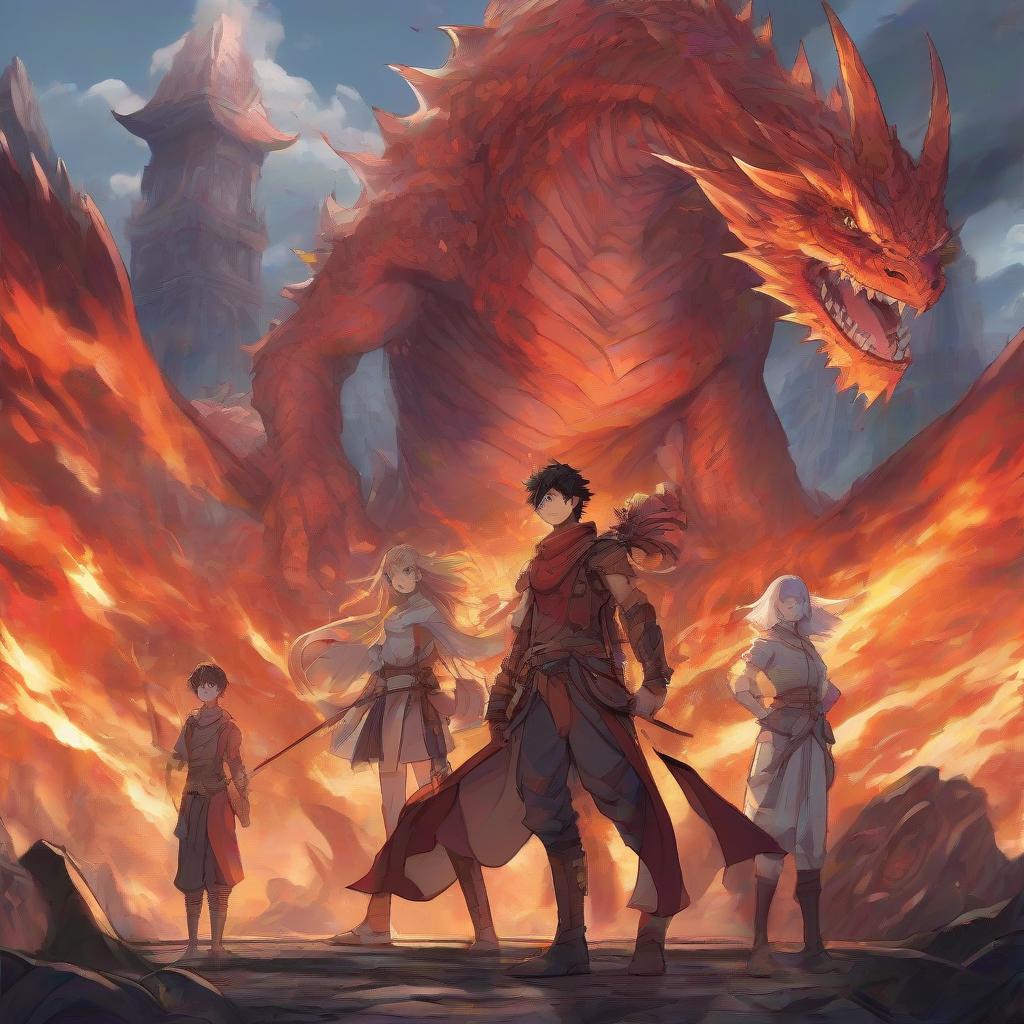
Tsutomu Nihei, celebrated for his expansive science fiction sagas like Blame and Knights of Sidonia, proves his masterful storytelling extends effortlessly into the realm of fantasy with the continuing volumes of Tower Dungeon. This review delves into volumes 2-4, showcasing how Nihei crafts a world as intriguing and formidable as any of his previous works, establishing a unique narrative that consistently captivates.
Nihei's Vision: A Perilous Fantasy World
In place of biomechanical nightmares, Nihei conjures utterly terrifying fantasy creatures for Tower Dungeon. Imagine basilisks so fearsome they petrify entire armies, then shatter them; creepy slugs capable of reanimating the dead; and grotesque human-dragon hybrids who casually devour their foes. The world presented to recruit Yuva and his small party is a landscape of constant peril, rife with hidden dangers and cunning adversaries. Nihei’s signature skill for depicting strange, imposing architecture is on full display here. The Dragon Tower itself is a visual marvel, featuring impossibly high, crumbling spiral staircases and vast, awe-inspiring Great Halls supported by colossal pillars. Every structure looks ancient, weathered, and possesses a pleasingly analog aesthetic, making the Tower a character in its own right—never boring to behold.
The Dragon Tower is more than just a setting; it is a central mystery, a colossal floating dungeon reminiscent of fantasy and science fiction's beloved Big Dumb Objects (BDOs). At three kilometers wide and 1800 floors tall, its true nature and origins are unknown, with no one having ever reached its apex. Nihei excels in creating these monumental structures, whether it is the interstellar vessel Sidonia or the mind-bogglingly enormous, solar system-spanning City from Blame. Here, the Tower embodies a similar sense of overwhelming scale and enigma. The monster designs are typically bizarre, often gooey, and distinctly organic. The butterfly-like basilisks, with their immense wings adorned with fake, staring eye patterns, are particularly memorable and unsettling, guaranteed to haunt one's imagination.
Deepening Narrative and Diverse Cast
While the first volume garnered some criticism for its perceived simplicity, Nihei swiftly addresses this by introducing a rich tapestry of new characters and factions across volumes 2-4. The narrative dramatically expands, moving beyond the initial core party to explore the various groups vying for influence or attempting to conquer the Tower. Volume 4 notably shifts focus, dedicating significant time to an entirely new ensemble before they eventually intersect with Yuva and his allies in its closing pages. This new crew is entertainingly eccentric: a half-dragon scholar with a bulging draconic eye that resembles a permanent monocle, a charmingly oversized mouse warrior lady, and a dwarf-like figure who rides a unique goat-crow hybrid creature. Their introduction injects fresh dynamics and expands the scope of the unfolding saga.
Yuva's ascent up the Tower is a relentless journey of two steps forward and one step back, with unspeakable horrors lurking behind every corner. The higher the heroes climb, the weirder and more dangerous the threats become. This dynamic mirrors the descent into Akihito Tsukushi's Abyss from Made in Abyss, but inverted, creating a constant sense of escalating challenge and the unknown. The Tower's true nature remains one of the series' most compelling mysteries, driving the narrative forward with an insatiable hunger for discovery.
Character Growth and Engaging Interactions
While character depth has sometimes been a perceived weakness in Nihei's earlier works, he clearly addresses this in Tower Dungeon. Most characters possess distinct builds and features, making them easily distinguishable and memorable. Lilicen, the mercurial fire mage, is a standout—an old-fashioned fiery tsundere whose interactions with Yuva are a highlight. Yuva gradually earns her respect and affection, not just by bravely saving her life multiple times, but through his straightforward honesty and evident care for his party members. A particularly humorous and sweet scene involves them wearing rings that allow them to hear each other's thoughts, showcasing their developing bond. Yuva himself undergoes significant growth, demonstrating innate heroism and unwavering determination despite his youth and inexperience. Hints about his secret origins align him with a typical fantasy protagonist, but this familiar trope is entirely forgivable amidst the surrounding freakishly weird occurrences and unique world-building.
Even the supporting characters are extremely compelling. The formidable hairbun-wearing female leader of the Excavation Guild takes a keen interest in Yuva after witnessing his extraordinary strength. Then there is Carache, a secondary antagonist; an amoral dragon-guy who greedily consumes his way through numerous unfortunate extras. While the Necromancer remains an enigmatic figure, Carache is a proper, tangible villain whose eventual return to wreak havoc on the main cast feels inevitable and exciting.
The Thrill of Progression
What truly elevates Tower Dungeon is its ever-present sense of progression, the thrill of uncovering the unknown, and the satisfaction of overcoming formidable trials to advance further. These elements are the very heart of what makes dungeon-crawling RPGs so addictive, and Nihei masterfully translates them into a compelling manga experience. The relentless march upwards, the constant discovery of new monstrosities, and the deepening lore keep readers enthralled. Who knows what abominations await Yuva and his party as they continue their ascent into the mysterious heights of the Dragon Tower? The journey is so engrossing that one cannot help but wish the volumes were longer, a testament to how captivating Nihei’s latest fantasy epic truly is. This reader intends to join them all the way to the end, eager for every new revelation.