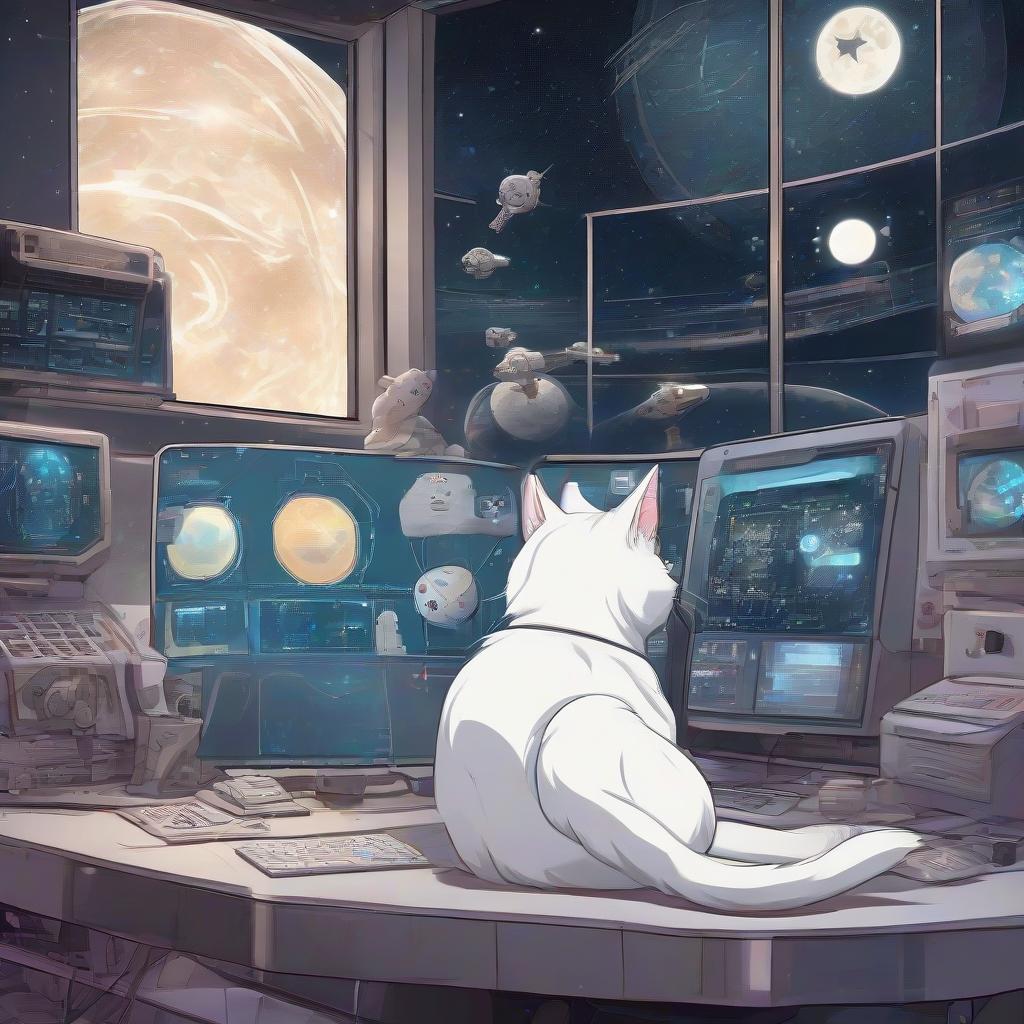
America's National Aeronautics and Space Administration, NASA, recently captured the world's imagination with the launch of its Artemis II mission. This groundbreaking endeavor is set to become the first manned mission to fly by the Moon in five decades, marking a monumental return to lunar exploration. But amid the high-tech marvels and scientific precision, a beloved anime icon has joined the ranks at Mission Control, adding a touch of magic to this historic journey.
An Anime Icon in Space
During the critical launch sequence and the ongoing orbital journey around the far side of the Moon, an unexpected yet delightful presence has been noted: a plush of Sailor Moon's famous white feline partner, Artemis. This charming mascot is proudly displayed behind the CAPsule COMmunicator desk at the Mission Control Center in Houston. The sight of Artemis, the wise and guiding cat from the popular anime and manga series, has brought a unique blend of pop culture and scientific aspiration to the forefront of space exploration. It is a heartwarming nod to the universal appeal of imagination and the power of dreams, perfectly aligning with the ambitious goals of the Artemis program.
The Artemis II Mission
The Artemis II mission itself is a significant undertaking, designed as a 10-day flyby of the Moon. This mission serves as a crucial step towards NASA's broader long-term human lunar presence. The dedicated crew aboard this historic flight includes four exceptional astronauts: Reid Wiseman, Victor Glover, Christina Koch, and Canadian Space Agency astronaut Jeremy Hanson. Their journey represents humanity's continued push beyond Earth's confines, venturing further into space than any crew in half a century. The presence of the Artemis plush adds a symbolic layer of comfort and inspiration for a crew embarking on such an immense voyage.
Who is Sailor Moon's Artemis?
For those new to the world of anime, Artemis is a pivotal character from Naoko Takeuchi's iconic Sailor Moon universe. He first graced the pages of the semi-prequel manga series Codename: Sailor V, where he served as the intelligent and loyal partner to Minako Aino, who would later become Sailor Venus. Artemis later transitioned into the main Sailor Moon manga alongside Minako, playing a crucial role in guiding the Sailor Guardians. Known for his wisdom, strategic thinking, and a touch of comedic relief, Artemis is an integral part of the narrative, often seen alongside his counterpart, the black cat Luna. His association with the Moon and guidance makes him a particularly fitting mascot for a lunar mission.
A Symbol of Guidance and Hope
Artemis the cat, a character synonymous with guidance and celestial connections, is a wonderful unofficial mascot for a mission bearing the same name. His role as a mentor to the Sailor Guardians, leading them toward their destiny, mirrors the aspirational goals of the Artemis program to return humanity to the Moon and beyond. The choice to feature this plush at Mission Control speaks volumes about the human element in scientific endeavors – the desire for connection, inspiration, and perhaps a touch of whimsy in the face of immense challenge. It bridges the gap between science fiction and scientific fact, showing how stories can inspire real-world achievements. This unexpected crossover is a testament to the enduring impact of popular culture and its ability to inspire future generations of scientists and dreamers alike.
A Unified Journey to the Stars
The presence of Sailor Moon's Artemis at NASA's Mission Control symbolizes a unique blend of scientific ambition and pop culture charm. As the Artemis II crew embarks on their epic journey around the Moon, they carry not only the hopes of a nation but also the playful spirit of an anime legend. This fusion creates an engaging narrative, proving that even in the most serious scientific pursuits, there is always room for a little magic and a beloved white cat to guide the way. The journey to the stars is a shared human endeavor, and sometimes, the best guides come from the most unexpected places.