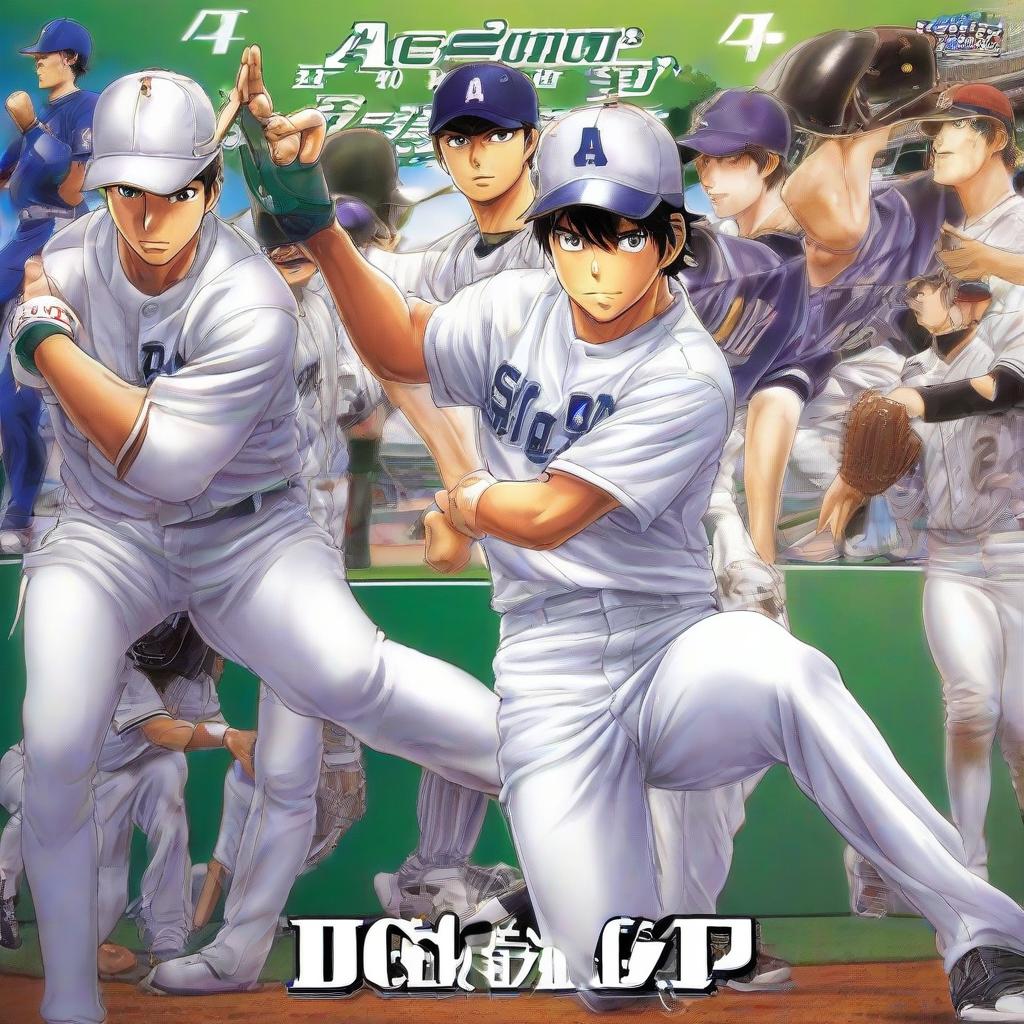
Ace of the Diamond Volumes 1-5 Manga Review
The Familiar Path of an Aspiring Athlete
The blueprint for many sports manga often follows a compelling arc: a spirited individual from a modest background, fueled by deep passion, aspires to greatness. Ace of the Diamond echoes this popular formula, resonating with titles like Ao Ashi or Haikyuu. This established structure effectively introduces protagonists facing daunting odds, setting the stage for an engaging underdog tale. A successful sports manga skillfully intertwines the personal journey of its lead with the sport intricacies. It thrives on depicting immense talent still needing to grasp foundational principles, especially the crucial dynamics of teamwork.
Eijun Sawamura Journey to Seido
Our protagonist, Eijun Sawamura, hails from a rural part of Japan. His baseball experience has been limited to dominating a makeshift team, driven purely by his love for the game. He lacks formal training within a competitive, coached environment. Despite his dream of reaching Koshien, Japan premier high school baseball tournament, his aspiration is rooted more in raw enthusiasm than strategic understanding. When a mid-game brawl results in the loss of several high school scholarship offers, Eijun is initially content to remain with his middle school team. It takes persuasive nudges from his family to accept an offer from the prestigious Seido High School in Tokyo.
Upon entering Seido, Eijun world transforms. He quickly discovers he is no longer the star player but one of many highly skilled and better trained pitchers. His success is far from guaranteed due to his limited formal experience compared to his peers. Eijun truly becomes an underdog, with the entire Seido baseball program representing formidable competition.
A Creator Deep Love for Baseball
The initial five volumes strongly convey creator Yuji Terajima profound affection for baseball. Eijun serves as a conduit for this passion, reflecting Terajima own high school baseball days in chapter afterwords. This genuine connection prevents the story from slipping into overly romanticized nostalgia. Instead, Eijun struggles are depicted with realism. His progress is earned through sheer grit and persistent effort. No player on the team, from seasoned veterans to naturally gifted newcomers, finds an easy path. Furuya, Eijun rival, battles tunnel vision. Chris, a third-year catcher, endures pressure from his professional baseball father and a year long injury. Haruichi, despite his talent, is often overshadowed. Furthermore, the adult coaches are frequently portrayed as questionable figures.
The Impact of Chris
While the primary aim of these opening volumes is to establish Eijun place at Seido, some of the most compelling narratives belong to Chris, the third-year catcher who forms a battery with Eijun. Initially, Eijun favors working with second-year Kazuya. However, Chris proves vital to Eijun development as both a player and a person. Chris is quiet and composed, contrasting with Eijun brashness. He manages his deep emotions and resentment about his injury, channeling them into constructive relationships. He believes in Eijun unique pitching talent and provides the steady guidance the younger boy needs to flourish. Chris kindness does not equate to weakness. He helps unlock Eijun true abilities, and this process, in turn, helps Chris cope with his own challenges. Chris shares the team intense love for baseball but also possesses a maturity to see beyond high school play, yet Terajima still reminds us he is a teenage boy. This makes Chris arguably the most well-rounded character in these early books.
Art, Pacing, and Future Promise
These first five volumes are clearly the prelude to a much larger story. The detailed character work and deliberate pacing suggest a comprehensive narrative, confirmed by the series extensive length of forty-seven volumes in its initial run. While perhaps not as immediately intense as some other sports manga, the artwork effectively conveys movement, especially in the lower body mechanics. It is easy to connect with and support the evolving protagonists. Ace of the Diamond feels like a rewarding commitment for readers seeking a long-form series, promising significant character growth in subsequent volumes.
Concluding Thoughts
Ace of the Diamond Volumes 1-5 offers a strong beginning, skillfully blending a classic underdog theme with intricate character arcs and an obvious affection for baseball. Minor weaknesses, such as underdeveloped female characters and problematic adults, are present. However, the strength of the main cast, particularly the nuanced depiction of Chris, significantly elevates these initial books. This series presents itself as a fulfilling journey for those ready to delve into its extensive storytelling.