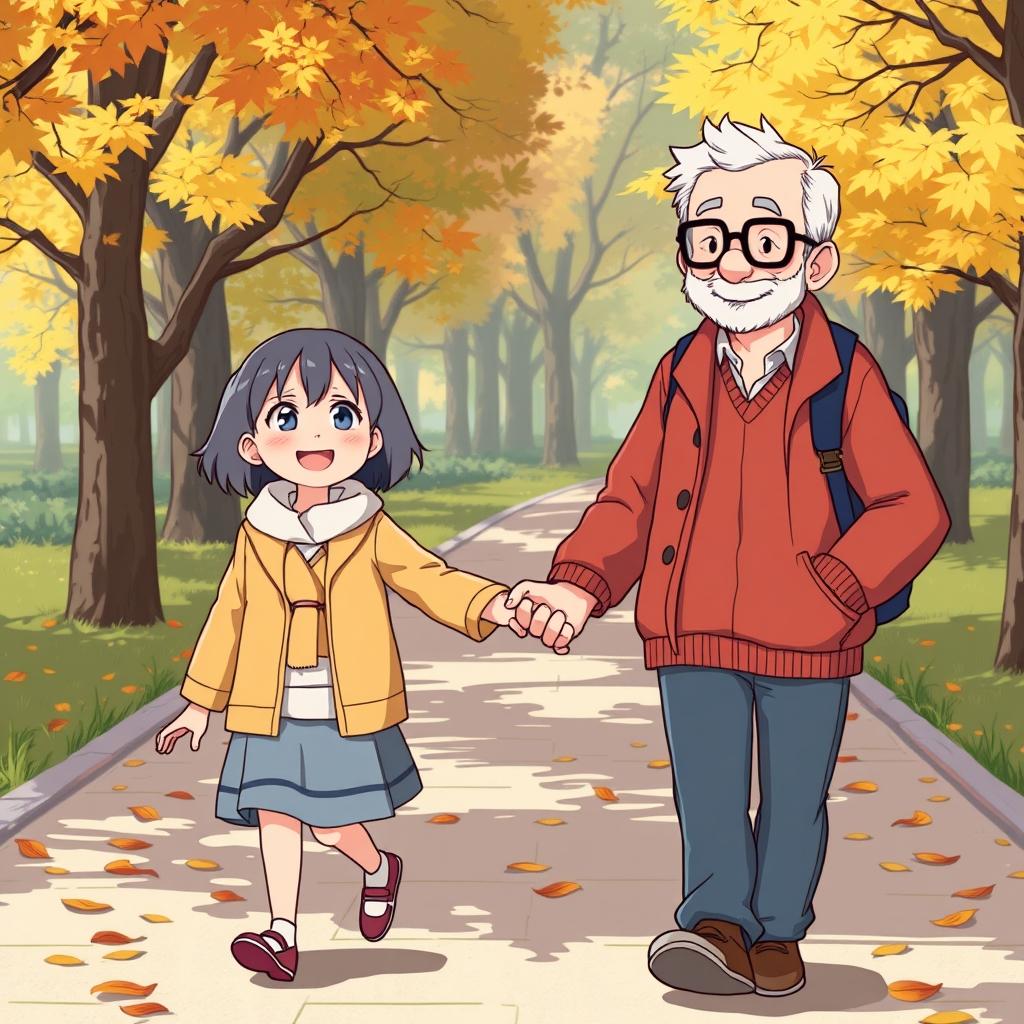
The highly anticipated short-format television anime adaptation of Yuka Ōshima's heartwarming manga, Haru to Gen: Raising a Child for the First Time at 70, is generating significant buzz with a wave of exciting new announcements. A fresh teaser promotional video has been released, providing a delightful preview of the ending theme song, alongside the unveiling of additional talented voice cast members. This series promises a touching narrative about unexpected family bonds and the challenges of late-life parenthood, captivating audiences with its unique premise.
Fresh Faces Join Haru to Gen Voice Cast
The production for the Haru to Gen anime is gearing up for its premiere with compelling new additions to its talented voice cast. These actors are set to bring even more depth and personality to the already engaging narrative, introducing new characters who will interact with the central duo, Gen and Haru.
Jin Urayama has been cast in the role of Ginji, an intriguing new character whose presence will undoubtedly add a new dynamic to the story. Hitomi Shogawa will lend her voice to Kaoru, bringing another unique perspective to the ensemble. Nao Shiraki is joining the cast as Ai, a role that is sure to resonate with viewers. Lastly, Akiko Seri will voice the character Ūpii, completing the list of newly announced cast members. These additions are poised to enrich the world of Haru and Gen, complementing the already established cast that fans are eager to see in action.
A Melodic Touch: Haru to Gen's Ending Theme
Adding to the anticipation, the latest teaser promotional video not only offered a glimpse into the anime's animation but also provided a first listen to its charming ending theme song. Titled "Chokin-bako Mitai na♡Song" (A Piggy Bank-Like♡Song), this delightful tune is performed by the talented Nono-chan, also known as Nonoka Murakata. Her heartfelt rendition is expected to leave a lasting impression on viewers after each episode.
The music for this memorable ending theme is skillfully performed by the renowned Kuricorder Quartet, celebrated for their unique and often whimsical soundscapes. Reo Rinozuka crafted the poignant lyrics, perfectly capturing the anime's emotional core, while Masaki Kurihara composed the music, ensuring a harmonious and engaging auditory experience. Overseeing the entire musical endeavor are Makoto Kimura of BLUE RIGHTS and Naho Fujisawa of Nippon Columbia, serving as the music producers and guaranteeing a high-quality soundtrack that enhances the anime's storytelling.
The Heart of the Story: Gen and Haru's Journey
At its essence, Haru to Gen is a profoundly moving narrative centered on themes of family, second chances, and the unexpected joys of caregiving. The story introduces us to Gen, a 70-year-old man whose life took a solitary turn after a divorce many years ago, leading to estrangement from his wife and daughter. However, his life is irrevocably changed following the tragic death of his only daughter, when he is suddenly entrusted with the care of his vibrant three-year-old granddaughter, Haru.
Having neglected his familial responsibilities in his younger years, Gen now faces the unprecedented challenge of raising a child for the very first time in his seventies. This journey is filled with unforeseen twists, turns, and heartwarming moments as Gen navigates the complexities of parenthood. The previously announced main cast includes veteran voice actor Bin Shimada, who embodies Gen with a nuanced performance, portraying his struggles and triumphs. Hiromi Igarashi lends her voice to the energetic Haru, capturing the innocence and wonder of a three-year-old. Mayuko Kazama portrays Sakura, Gen's late daughter, whose memory significantly influences the unfolding narrative.
The Creative Minds Behind the Animation
Bringing this poignant and unique story to life on screen is a dedicated and experienced production team. Kōdai Satō, known for his direction on works such as Tom to Jerry Gokko, is at the helm as the anime's director. The animation itself is a collaborative effort, with production handled by IMAGICA Infos and Imageworks Studio, working in tandem with Studio Nanahoshi, ensuring a visually appealing and emotionally resonant adaptation of the manga.
Taeko Miura, recognized for her sound direction in titles like Kanagawa Elves and Hyakki Yakou Shou, is directing the sound, promising an immersive audio experience. Maki Takuma, whose work includes After-School Hanako-kun and Love Live! Nijigasaki High School Idol Club, is in charge of sound effects, adding intricate details to the sonic landscape. The evocative and impactful musical score is composed by bermei.inazawa, celebrated for compositions in works such as Potion, Waga Mi o Tasukeru, and Marukano, designed to amplify the anime's emotional beats. RD is overseeing sound production, and Kazuya Takahashi, known for his executive production on Love and Lies and Saiyuki Reload Blast, serves as the executive producer, guiding the overall vision of the project.
Mark Your Calendars: Premiere Details
Fans eagerly awaiting the premiere of Haru to Gen can now mark their calendars! The anime is officially set to debut on the TV Kanagawa (tvk) channel on January 4, 2025, at 9:55 p.m. Japan Standard Time. For audiences in the Eastern Standard Time zone, this translates to 7:55 a.m. EST. Prepare for a charming and deeply moving series that promises to offer a unique perspective on family, aging, and the enduring power of love.
From Webcomic to Screen: The Manga's Journey
The anime draws its compelling narrative from Yuka Ōshima's original manga, Haru to Gen ~70-sai, Hajimete Kosodate~. Ōshima initially launched this captivating vertical-scrolling, full-color webcomic on Kadokawa's TATESC Comic label in December 2022. Its widespread appeal and heartwarming story quickly led to its print publication, with Kadokawa releasing the manga's first compiled book volume in March 2024. The transition from webcomic to animated series underscores the universal themes and relatable characters that have resonated deeply with readers, now ready to charm a global anime audience.