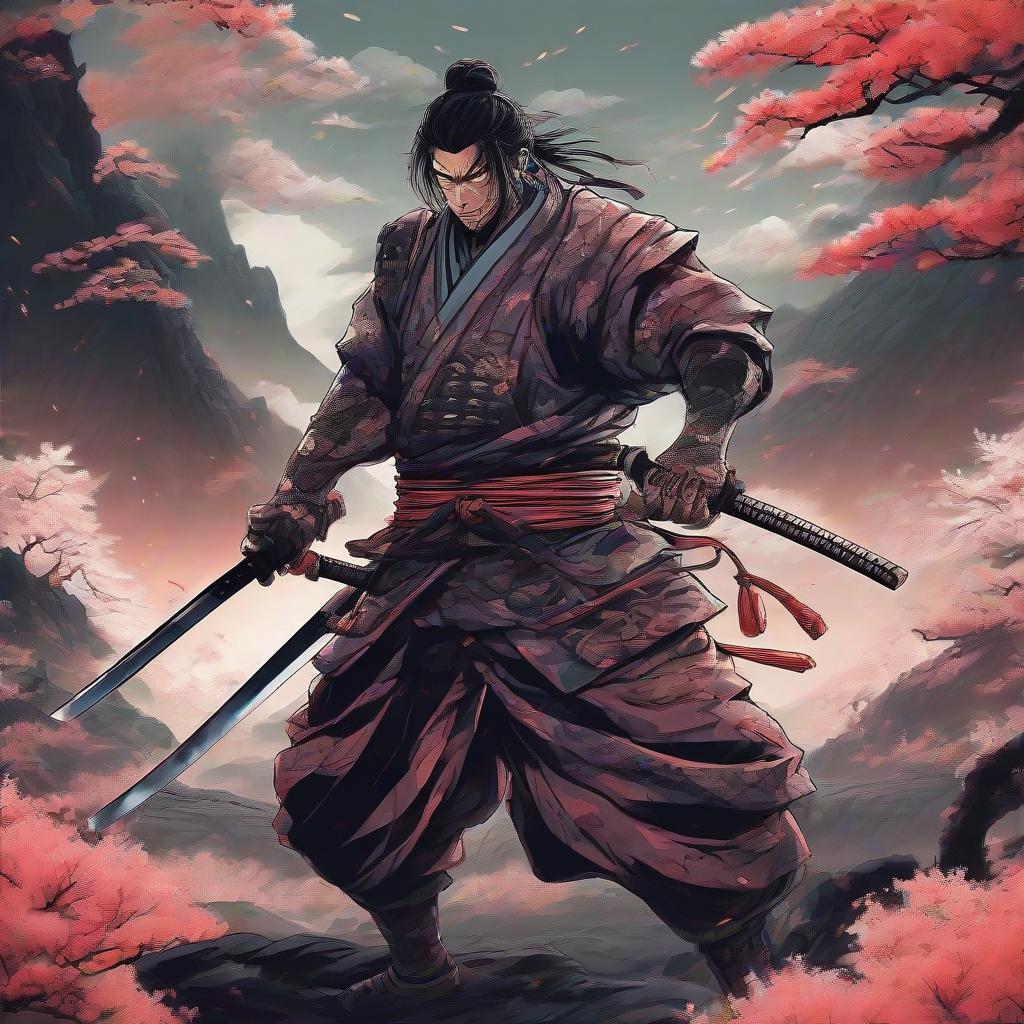
Onimusha Way Of The Sword Switch 2 Review Impressions
The moment you dive into "Onimusha: Way Of The Sword" on the Switch 2, one word immediately springs to mind: cinematic. This action-packed game thrusts players into a visually stunning world, delivering a constant barrage of gorgeously rendered and meticulously directed animated cutscenes. There's a tangible sense that this title could effortlessly translate into a gripping samurai action movie, further amplified by its rich, traditional Japanese soundtrack and beautifully realized Japanese-inspired environments. While the distinction between pre-rendered cinematics and in-game sequences is notable, and facial animations can occasionally stray into uncanny territory, the overall presentation is remarkably impressive for the Switch 2 hardware. Locked at a consistent 30 frames per second, the game nonetheless achieves a grand, intimidating scale that makes every encounter feel momentous.
A World of Twisted Beauty and Potent Action
The game truly excels in its action set pieces and the chilling designs of its demonic adversaries. These elements are highly effective, evoking powerful emotional responses ranging from visceral disgust to genuine fear. The boss creatures, in particular, stand out, crafted with a twisted body horror aesthetic that makes them seem torn from ancient Japanese paintings. While the approach to battling many of these formidable foes can become somewhat repetitive over time, their visual impact and initial impression are consistently strong. The thrill of discovering a new enemy or confronting an imposing threat forms the undeniable highlights of the "Onimusha: Way Of The Sword" experience. Testing one's combat prowess, adapting to diverse attack patterns, and devising new counter-strategies left a significant and positive mark.
Narrative Struggles: A Wasted Canvas
Despite its ambitious cinematic aspirations and commitment to immersing the player in the action, the game's story ultimately falls short. A multitude of cutscenes introduce dozens of characters meant to assist the protagonist, Musashi, on his journey. However, upon closer inspection, the narrative often boils down to Musashi simply following instructions from various individuals. The game often segments into mini-stories, each revolving around a different character or unique threat. There's a notable lack of foundational buildup for these newly introduced figures, as if the game presumes players will recognize them from traditional Japanese history. While this can serve as an interesting gateway to historical figures, it becomes a narrative crutch when characters primarily function as mission givers, offering little genuine contribution beyond the next objective.
Quests frequently involve performing fetch tasks or completing missions on behalf of these characters, often culminating in a threat directly linked to them. While some missions present tragic outcomes, others are as straightforward as "eliminate all enemies in this area." The game is unflinchingly graphic in depicting atrocities, making it easy to feel a fleeting sense of sympathy for the characters or their loved ones. Yet, these emotional beats often feel superficial, akin to witnessing a villain kick a puppy – momentarily impactful but lacking lasting resonance. This is particularly regrettable given the high quality of the cutscenes, voice acting, and direction, all of which strive to create a deeper emotional connection that the story itself fails to deliver. Furthermore, Musashi's own character development feels underdeveloped, with little in the way of a compelling arc beyond reluctantly accepting a forced role. The game touches upon themes of true strength, questioning whether it lies in helping others or using them, but this basic premise is ultimately squandered by the presentation. The game rarely convinces the player that Musashi undergoes any significant transformation throughout his adventure.
Repetitive Blades: Gameplay's Double-Edged Sword
The combat system in "Onimusha: Way Of The Sword" captures many of the best elements of an action RPG. As Musashi, players wield either a single sword or dual blades. Button mashing is not a viable strategy; both Musashi and his adversaries possess health and stamina meters. The core mechanic involves depleting an opponent's stamina to create openings for faster, more effective health-reducing finishers. Stamina can be chipped away with basic attacks, but clever use of sub-weapons or well-timed parries can significantly accelerate the process. A commendable aspect is that the same fundamental strategy applies to both smaller enemies and grand bosses, with the primary difference being the varying degrees of aggression among different enemy types. Precise timing is paramount for parrying and deflecting attacks, generating crucial windows of opportunity. The moves themselves are simple to grasp, but true mastery emerges in executing them at the opportune moment. Even with the acquisition of items and upgrades found in the overworld or earned through aiding villagers, the game maintains an effective difficulty curve, ensuring that players never feel overwhelmingly powerful nor unfairly outmatched.
However, much like the game's exquisite presentation feels wasted on its shallow story, these robust mechanics are undermined by the game's repetitive structure. As mentioned, the narrative often devolves into characters assigning Musashi various tasks across the Kyoto overworld. Despite the presence of fast travel systems designed to streamline traversal across vast areas, the inherent repetitiveness persists. The gameplay loop typically involves journeying to an area, eliminating numerous enemies, completing an action set piece, and then engaging a new boss. This cycle repeats tirelessly, leading to a feeling that several hours of gameplay could have been trimmed to create a more focused and impactful experience. While the boss encounters consistently shine as highlights, the early stages of each new story section often become a mindless chore. As players become increasingly proficient with the combat mechanics, confronting fodder enemies transforms from an engaging challenge into a tedious obligation, almost feeling like a punishment for improving at the game.
The absence of a compelling narrative reward or emotional payoff for these missions can make large sections of the game feel like a significant time sink. Adding to this frustration is the prolonged absence of the main antagonist and rival introduced at the very beginning of the story, who remain sidelined for nearly a dozen hours of gameplay. This is particularly disappointing given that some of the game's minor villains possess considerable personality but are either quickly defeated or insufficiently present to meaningfully drive the player forward. Much is established early on, yet the game takes an inordinate amount of time to deliver any sense of resolution or significant plot progression.
The Verdict: A Blade That Needs Sharpening
One of the most detrimental effects a game can have is to make its player feel exhausted or simply going through the motions to reach the end. While "Onimusha: Way Of The Sword" avoids this early on, it certainly begins to induce this feeling by its halfway point. This is a game that feels excessively long for the relatively unsatisfying rewards it offers. The underlying combat mechanics are rich and deeply rewarding, particularly when tested against the more engaging and challenging boss encounters, which truly highlight the game's strengths. The presentation is undeniably impressive, deserving high praise for its visual and auditory fidelity.
However, the game desperately needs to provide a stronger reason for players to invest their time and care. If "Onimusha: Way Of The Sword" were to significantly trim its repetitive sections and concentrate its efforts on punctuating the impactful moments it so beautifully renders in its cinematics, it could easily have been a definitive action RPG experience. As it currently stands, it is a perfectly serviceable game, but one that undeniably overstays its welcome, preventing it from reaching its full potential.