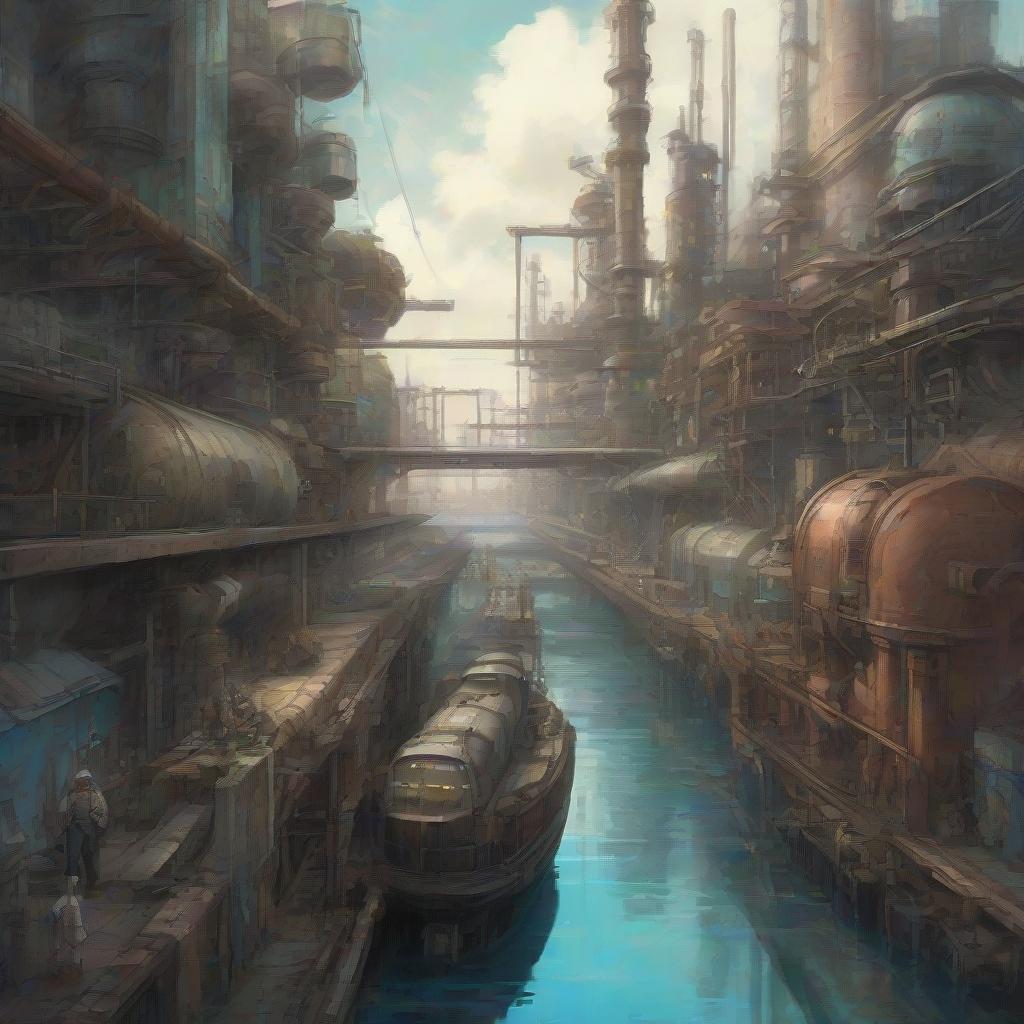
Kyoto Animation, affectionately known as KyoAni, has embarked on a bold new journey with its latest Netflix sensation, Sparks of Tomorrow. Directed by Minoru Ōta, this series marks a significant departure from the studio's established visual identity, signaling what Ōta himself calls a "new era" for the acclaimed animation powerhouse. Sparks of Tomorrow immerses viewers in an aesthetic that is both unique and deeply intentional, the culmination of years of rigorous planning and an unwavering creative vision. From the thoughtful color palettes to the digital brush strokes, every element contributes to a stunning narrative rich in intricate detail.
A Gritty New World: Visuals That Push Boundaries
The most striking aspect of Sparks of Tomorrow is its groundbreaking visual style. Embracing grimy, gritty backgrounds combined with visuals that occasionally delve into the uncanny, the series offers an aesthetic that challenges conventions. This meticulous approach extends to every frame, evident in the sophisticated music selections, the dynamic animation styles, and even the deliberate placement of furniture within scenes, all contributing to a cohesive and immersive experience. Fans recently got an exclusive peek behind the scenes at Anime NYC, where animation producer Mao Takayama and musician Ginger Root highlighted some of these distinctive artistic choices.
Intentional Shifts: From Gekiga to Color Palettes
Sparks of Tomorrow masterfully employs intentional style shifts to enhance its storytelling. Episode six, for instance, humorously transitions into a gekiga-style animation during the girls' talent show training montages. This stylistic nod, reminiscent of classic anime like Ashita no Joe, utilizes strong ink strokes to evoke an old-school training sequence, perfectly fitting the episode's crescendo into a raw, energetic punk rock performance. The team's excitement for this musical scene was palpable, even prompting them to share it with Ginger Root, who praised its "crunch" and the authentic punk rock spirit of leaving everything on stage.
Beyond these overt changes, the series also features subtle yet impactful shifts, particularly in its depiction of locales. Backgrounds set in Kyoto utilize a muted, dark, and brown-toned color palette, reflecting the city's portrayal as an industrial center of steam power. In stark contrast, when characters journey to Shiga, a refreshing blue hue is introduced into the palette, with bright blue skies and sparkling water, effectively countering Kyoto's oppressive atmosphere.
Another clever detail is the changing placement of furniture, signifying the passage of seasons. Producer Takayama explained that this draws from historical customs in traditional Kyoto townhouses, or machiya, where elements like blinds and panels were reconfigured to manage sunlight and airflow. Similarly, large furniture could be rearranged for better ventilation, a subtle yet rich detail for history buffs and a testament to the animation team's fastidious attention.
Crafting the Canvas: The Backgrounds of Tomorrow
The backgrounds of Sparks of Tomorrow are a hallmark of its aesthetic, designed to resemble oil paintings. Achieving this distinctive look digitally while ensuring consistency was a significant undertaking. Takayama elaborated on the extensive development process for their digital brush strokes, emphasizing the countless discussions, tests, and experiments conducted with animation directors and animators. This dedication to crafting a reproducible yet visually rich style underscores the series' commitment to its unique aesthetic. This painstaking effort feels particularly appropriate for a series whose central theme celebrates hard work and the promise of a hopeful future, mirroring the characters' dreams of an electricity-powered world and a vibrant, technicolor tomorrow.
The Sound of Tomorrow: Ginger Root's Electronic Dreams
It's fitting that musician Ginger Root, known for his electronic, synth-fueled melodies inspired by retro Japanese pop, has become a prominent champion for Sparks of Tomorrow. A self-professed "weeb," Cameron Lew (Ginger Root) is deeply familiar with anime music, often incorporating anisong interludes into his live sets. His passion culminated in creating the opening theme for Sparks of Tomorrow, a dream come true for the artist.
Lew shared his initial nervousness when submitting the first draft, knowing the opening theme had undergone numerous revisions. His track, however, was accepted immediately. He humorously revealed director Ōta's specific request for electronic elements, desiring a song that evoked a future powered by inventions from "Sakamoto's Electric Catalog," a detail that resonated with Ōta's appreciation for artists like Lady Gaga. Lew embraced the challenge, purposely crafting elements like drum fills before the chorus to allow the animation to "breathe," demonstrating a deep understanding of the collaborative process between music and visuals.
Sparks of Tomorrow is currently streaming on Netflix, with new episodes released weekly. This season promises 13 captivating episodes, inviting viewers to experience KyoAni's visionary new direction.