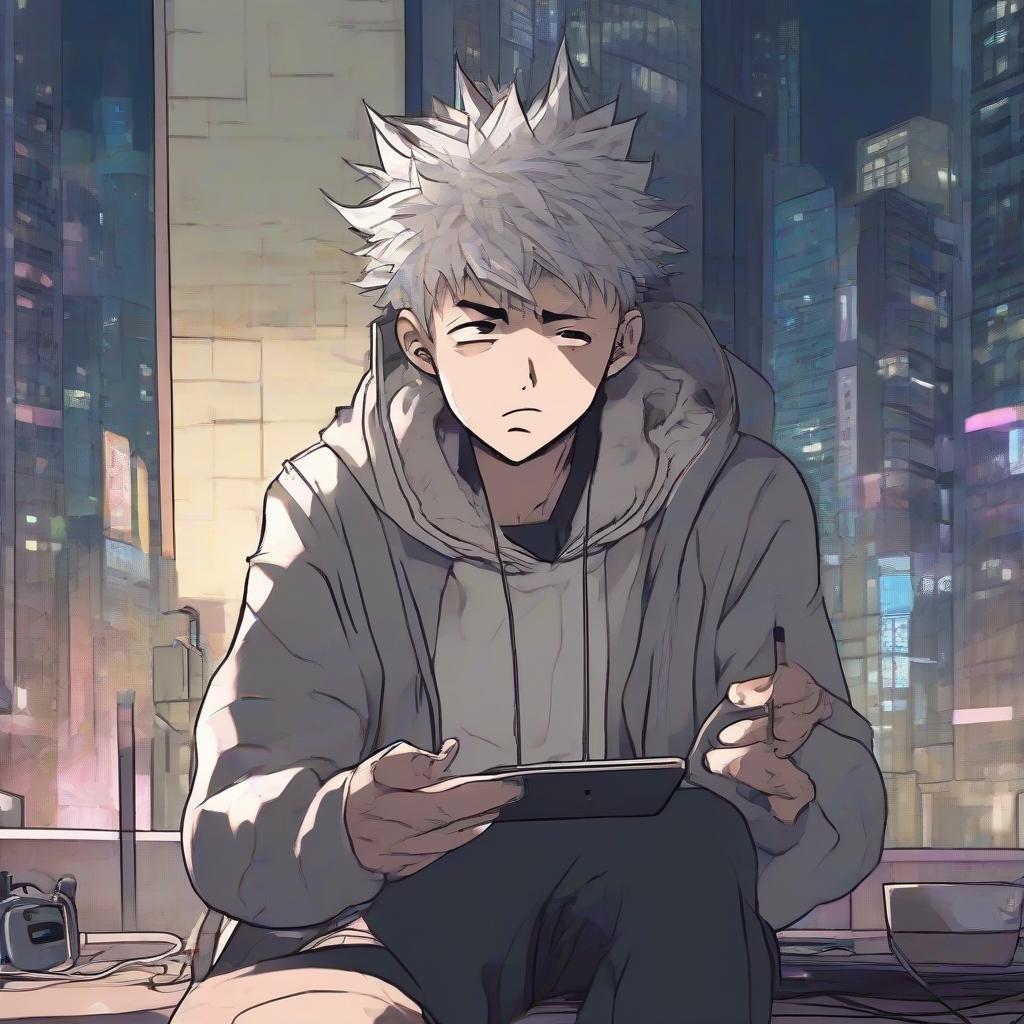
A Bizarre Call: Texas Man Demands "Unlock My F***ing Anime" From Governor's Office
A truly unusual incident has gripped the anime community and legal circles in Texas. A Houston man, Joseph Roy Ozment, has been charged with a third-degree felony count of terroristic threat against a public servant following an alleged profanity-laden voicemail to the Governor's Office. The core demand? To "unlock my f—ing anime."
According to reports, the voicemail expressed extreme frustration over an unspecified bill that Ozment believed was "blocking my motherf—ing anime." The message explicitly stated, "I’m a f—ing stab every godd— one of you b—-es. Unlock my f—ing anime." Such explicit threats are a serious matter, leading to the felony charge.
The Alleged Threat: More Than Just Anime Frustration
The Texas Department of Public Safety agent noted in an affidavit that the call, made on July 25, originated from a cell phone registered to 35-year-old Ozment. The gravity of the situation was underscored by the Governor's Office employee, who expressed genuine fear for the lives of himself, his coworkers, and the general public within the office. This demonstrates how seriously such threats are perceived by authorities and those targeted.
Regardless of the perceived grievance, issuing threats of violence against public servants carries severe legal ramifications. If convicted, Ozment faces a potential sentence of up to 10 years in prison and fines reaching US$10,000. This incident serves as a stark reminder that even frustrations stemming from digital access issues can lead to profound real-world legal consequences if handled inappropriately.
Unpacking "Blocked Anime": What Laws Are Involved?
One of the most perplexing aspects of this case is the specific "bill" Ozment was referring to. While the article notes it remains unclear, two recent Texas laws may offer some context for his frustrations regarding digital content access.
First, a 2023 Texas law mandated age verification for adult websites before allowing access. This particular legislation led some adult content providers to block access for Texas-based devices entirely. It is conceivable that Ozment might have mistakenly linked this law to his general anime viewing, perhaps encountering issues with specific fan-made content platforms or sites he perceived as adult-oriented, even if mainstream anime is not.
Second, the recently passed Texas Senate Bill 2420 requires app stores, such as Apple's App Store and Google Play, to implement similar age verification protocols before allowing users to download certain applications. While this law aims to regulate app access based on age, it has not broadly impacted major, legitimate anime streaming services.
It is crucial to clarify for anime fans in Texas that popular and widely used anime streaming sites, including Crunchyroll and HIDIVE, continue to operate without interruption in the state. This suggests that any blocking issues Ozment encountered were likely specific to certain platforms, content types, or perhaps a misunderstanding of how these new age verification laws apply.
The Line Between Frustration and Felony
While digital age verification laws can sometimes be inconvenient or lead to temporary access issues, the appropriate response to such legislative changes is never to resort to violent threats. There are established legal and democratic channels for citizens to voice their concerns, provide feedback on legislation, or seek clarification on how laws impact their online activities. These channels include contacting elected officials, participating in public forums, or engaging in peaceful advocacy.
This incident highlights a critical distinction: the right to express frustration or disagreement with laws does not extend to making terroristic threats. The law prioritizes public safety and the protection of public servants from intimidation and violence. The consequences for crossing that line are severe and non-negotiable.
What This Means for Anime Fans and Digital Rights
For the vast majority of anime fans in Texas, this incident will likely have no direct impact on their ability to enjoy their favorite series on legitimate streaming platforms. However, it serves as an extraordinary cautionary tale at the intersection of digital rights, content access, and legal accountability. As technology evolves and legislative bodies grapple with regulating online spaces, users may increasingly encounter age verification measures.
This case underscores the importance of understanding new digital laws and responding to perceived restrictions through legal and peaceful means. It reminds everyone that online actions and communications, particularly those involving threats, can lead to serious real-world legal repercussions, regardless of the motivation or context.
Conclusion: A Sobering Reminder
The situation involving Joseph Roy Ozment is a unique and unfortunate chapter in the ongoing narrative of digital content access. Facing felony charges for a terroristic threat centered around accessing anime, it sends a clear message about the gravity of making violent statements. This incident will undoubtedly remain a bizarre yet sobering reminder of the importance of responsible digital citizenship and the severe legal boundaries that govern interactions with public officials, even when one feels their anime is on the line.