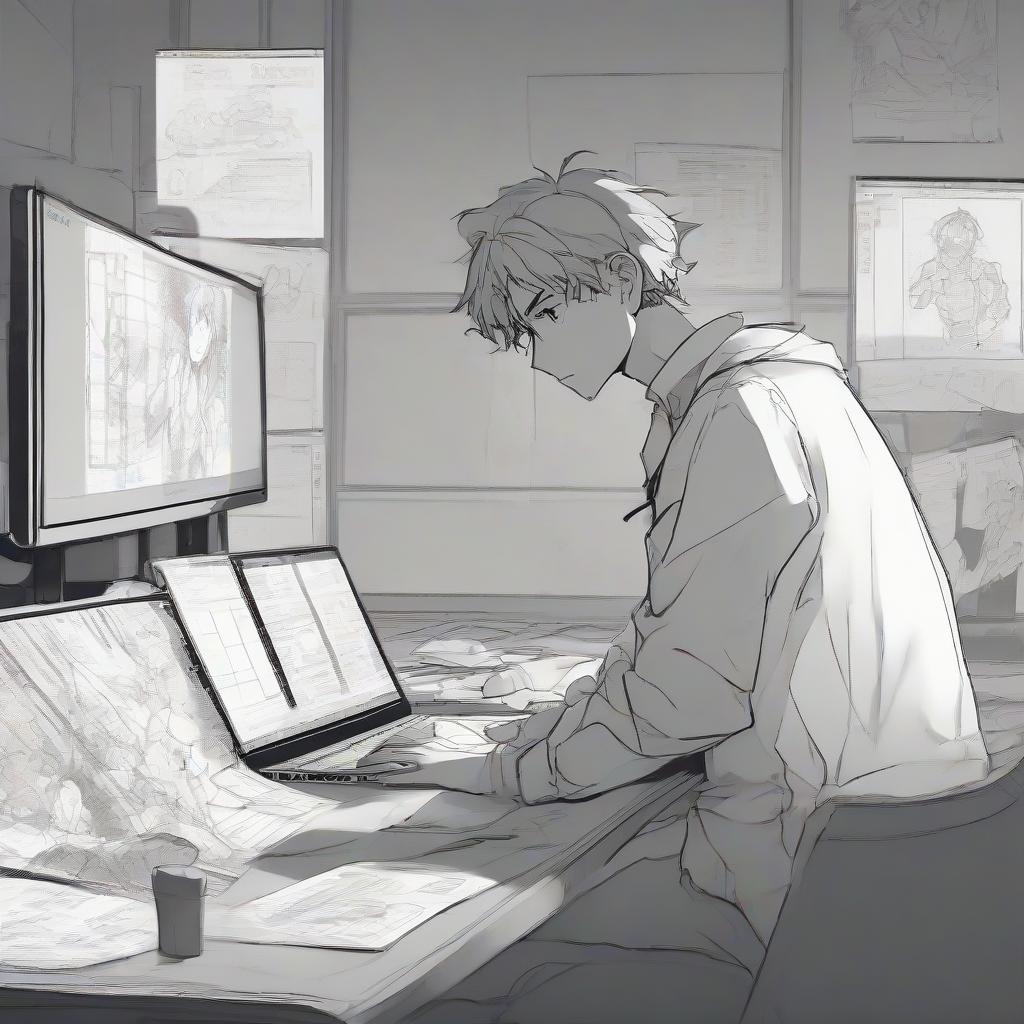
The recent "Go 100%! Mob Psycho 100 10th Anniversary Celebration" at Crunchyroll offered fans an incredible glimpse into the creative minds behind the beloved anime. Director Yuzuru Tachikawa, alongside voice actors Setsuo Itō and Takahiro Sakurai, shared captivating insights. A highlight was Tachikawa's exclusive, no-recording segment, revealing his storyboard process for "Mob Psycho 100 II" episode seven, a pivotal moment focusing on Reigen's emotional journey.
The Digital Evolution of Anime Storyboarding
Tachikawa showcased a six-minute video detailing his storyboard drafts and corrections. He demonstrated the significant leap in productivity thanks to digital tools. He recalled, "Back in the analog days, I would have to cut out frames and glue them where I wanted to move them. In the digital era, I can copy and paste, so it has improved productivity quite a bit." This efficiency was evident as he swiftly drew background structures and grayscale shading for a single frame in just 12 seconds. A complex thirty-second scene, requiring two pages of storyboards and intricate movement details, could still demand up to three minutes of his focused effort. This deep dive into anime production showcased the meticulous planning behind every frame.
Unveiling Reigen's Emotional Nuances: The Email Scene
The specific scene under the microscope was an anime-original addition from "Mob Psycho 100 II" episode seven, where Reigen receives an email from his mother. This scene was crafted to delve deeply into Reigen's internal emotional landscape. Following a public humiliation after failing to exorcise a child, Reigen's mother's apology letter was a profound moment, and Tachikawa's storyboards provided an intimate look at how he meticulously built this emotional weight. His screen recording included notes on "a Reigen who is fading away," crucial background music cues, precise camera directions, and concise explanations of the unfolding narrative. This emphasis on Reigen's personal turmoil is a signature of Tachikawa's direction.
Director's Dedication and Production Challenges
Tachikawa's commitment to detail is immense, as he spends "10 hours a day behind my computer" perfecting his vision. He even admitted wanting to record his entire process, but hard drive limitations restricted him to "bits and pieces." His candidness extended to staffing challenges. For the first season, "Mob Psycho 100" was "not too popular" in the industry, making it difficult to assign storyboard responsibilities. However, the anime's success quickly changed this for the second season. "I had a lot more people who volunteered and could assign episodes to people who wanted to work on them," he shared, highlighting the growing enthusiasm within the animation community for "Mob Psycho 100" and its unique appeal.
Bridging Manga Fidelity and Anime Dynamism
When adapting ONE's original manga, Tachikawa masterfully balanced faithfulness with creative freedom. He aimed to "keep the goodness of the original manga as much as possible," preserving nuances and camera angles for his favorite scenes. Yet, he wasn't afraid to inject "dynamism to action sequences, creating a spectacle in moments that didn't exist in the original work." This approach ensures the "Mob Psycho 100" anime is both a loyal adaptation and an exhilarating visual experience, enhancing action and emotional impact.
Crafting Reigen's Inner World
A significant part of Tachikawa's original contribution lies in exploring Reigen's emotional depth. "When I'm working on emotional aspects of Reigen, it's more of an original addition to the manga," he explained. Every element, from lighting to framing, is carefully chosen to heighten his "heavy emotional investment" in Reigen. One powerful example is the press conference scene, where a reporter questions Reigen about his graduation essay. Tachikawa's storyboard notes revealed a subtle detail: "the bug's movements are likened to those of spirits and ghosts drawn to lamps, mistaking them for moonlight." This profound eight-second sequence, though silent for Reigen, powerfully conveyed his internal conflict, with a black-and-white sketch showing a moth landing and dying – a moment that, unfortunately, didn't make the final cut due to timing. This detailed storyboarding reveals the layers of character development.
The Unseen Art of Animation Production
The insights into the animation process underscored that not every meticulously boarded moment can be included in the final "Mob Psycho 100" episode. Factors like timing and narrative flow often necessitate difficult decisions. Tachikawa's rare demonstration offered invaluable understanding into the immense scope of anime production. Had production timelines allowed, he would have incorporated even more of Reigen's nuanced perspective, further enriching the narrative tapestry of the series. These revelations solidify the intricate artistry and dedication required to bring beloved anime series like "Mob Psycho 100" to life, offering fans a deeper appreciation for the creative journey.