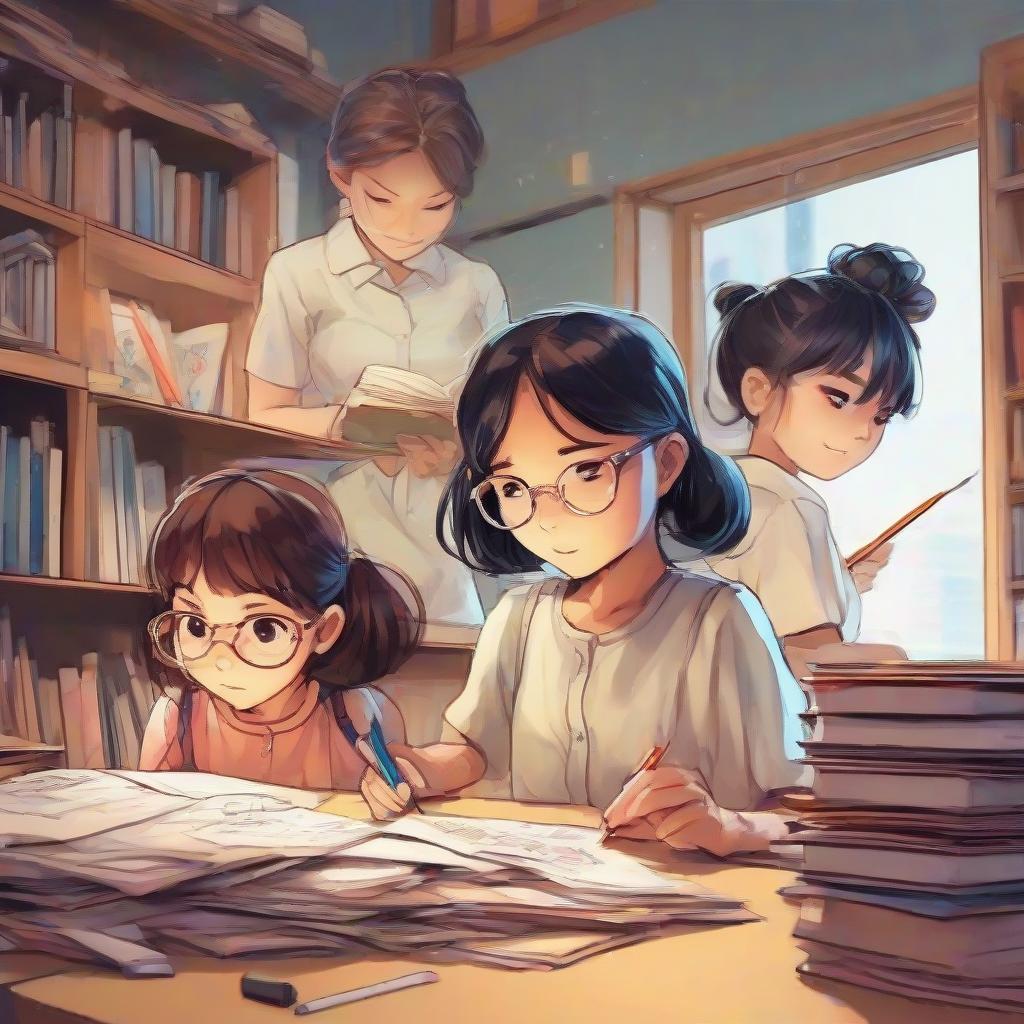
From the initial episodes, "Draw This, Then Die!" establishes itself as a surprisingly deep exploration of the creative journey. With community scores of 4.5 for episode 1, 4.3 for episode 2, and 4.0 for episode 3, it's clear this series is resonating with viewers early on. Whether it is anime, manga, or any form of art, inspiration can spark new paths, drive creation, or even lead to burnout. This show masterfully captures this wide spectrum of influence that art holds over people at different life stages.
The Spectrum of Art's Influence
What truly distinguishes "Draw This, Then Die!" is its bold willingness to delve into profoundly emotional and sometimes depressing subject matter, despite its cheerful color palette and exaggerated cartoon designs. This blend creates a unique viewing experience that hits very close to home for anyone who has pursued a creative passion. Within just three episodes, the series effectively covers various aspects of art's impact, from the initial spark of inspiration to the crushing weight of creative exhaustion.
Yasumi and Teshima: A Clash of Ambition
The narrative of the first two episodes primarily centers on Yasumi's relationship with her teacher, Miss Teshima. The revelation that Teshima is the author of the very manga that inspired Yasumi sets up a compelling dynamic. Teshima embodies the jaded adult, hardened by past ambition, who attempts to shield her students from similar pain by being overly critical of their creative endeavors. This stern approach initially feels predictable, an overcorrection born from her own experiences. However, episode two shows a welcome softening in Teshima's stance, as she begins to embrace the idea of her students drawing and engaging with manga. While her sternness can still be a bit much, it becomes far more understandable once episode three delves into the specifics of her complex past with manga.
The Burden of Directionless Passion
"Draw This, Then Die!" skillfully provides context without revealing all the details of Teshima's struggles, keeping her past somewhat vague yet impactful. It was not a lack of passion, drive, or commitment that derailed her artistic career. Instead, the core issue appeared to be a lack of clear direction or purpose for her creations. Passion, while a powerful fuel, can lead to exhaustion when channeled without a defined goal. Teshima dedicated years to various manga projects and manuscripts but found herself unable to answer fundamental questions about why she was creating or what her art was truly for. This internal struggle, coupled with external reactions from judges and audiences who did not always grasp her vision, led to her becoming burnt out and disillusioned. Her character arc is poised to explore the revitalization of that lost passion, potentially rekindled by Yasumi's unburdened and carefree approach to manga. Meanwhile, Yasumi stands on the opposite end of the spectrum, brimming with untouched passion, raising the question of whether she too will eventually encounter similar challenges.
Art's Unconventional Power to Inspire
The first half of episode three beautifully balances this narrative by introducing Fujimori, a character whose life had been drained of passion due to familial pressures and her quiet nature. However, it is Yasumi's raw, albeit badly drawn, manga—infused with incredible passion—that gives Fujimori the confidence to pursue something for herself. This highlights a crucial theme: the true value of art is not solely determined by its technical perfection but by its ability to evoke an emotional response and inspire action. A work of art that empowers someone to chase a dream they never thought possible cannot be truly deemed terrible, even if it fails to resonate with a broader audience or withstand critical scrutiny. Its power to impact even a single individual can supersede countless dismissals.
Why "Draw This, Then Die!" Resonates
This series has already left a profound impression, demonstrating its strong impact within just three episodes. The meta-commentary on how art inspires us is incredibly engaging and personally motivating. Watching a show that so eloquently discusses the transformative power of creation genuinely inspires a desire to work harder on one's own projects. If "Draw This, Then Die!" continues to elicit such a powerful emotional response in the coming weeks, it promises to be not only a highlight of the season but also a significant catalyst for creative endeavors. Its exploration of art, ambition, and the human spirit makes it a must-watch.
"Draw This, Then Die!" is currently streaming on Crunchyroll.