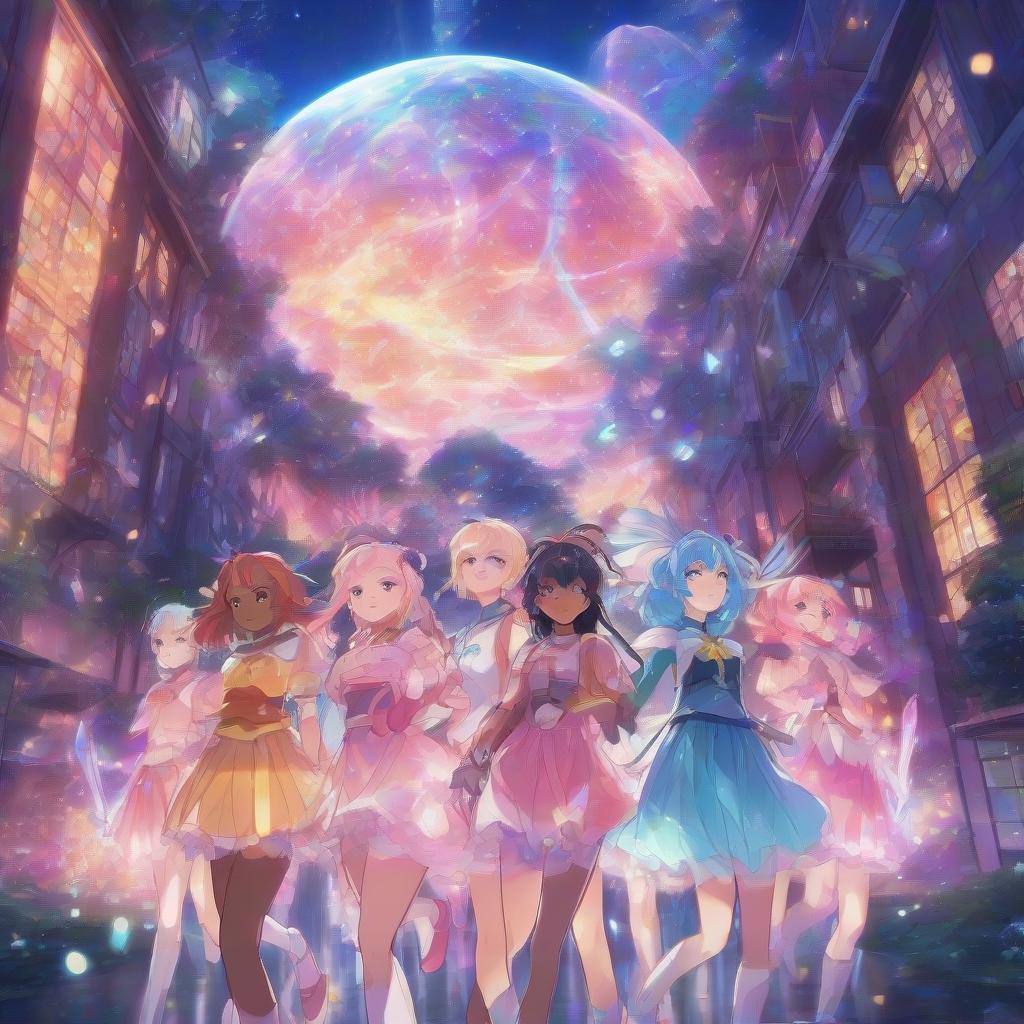
Blue Reflection Quartet PS5 Review: JRPG Magic
The world of magical girls, emotional bonds, and turn-based combat expands on PlayStation 5 with the Blue Reflection Quartet. This comprehensive bundle brings together four distinct entries from the beloved JRPG series, offering both returning fans and newcomers an incredible value proposition. Featuring the original 2017 hit Blue Reflection, its critically acclaimed 2021 sequel Blue Reflection: Second Light, an interactive rendition of the Blue Reflection Ray anime, and an offline version of the Blue Reflection Sun mobile game, this collection is a deep dive into the enchanting universe.
The Original Blue Reflection: A Journey of Bonds
The adventure begins with the first Blue Reflection, starring Hinako Shirai. A talented dancer sidelined by a leg injury, Hinako finds a new purpose when two mysterious magical girls, Yuzu and Lime, grant her the powers of a Reflector. Her quest leads her to the Common, an otherworldly realm born from humanity's collective unconscious, where she battles powerful entities known as Sephira. The promise: defeat them all, and a wish will be granted. While Hinako initially dreams of healing her injury, her journey evolves into something far more profound, focusing on the strength of friendships and human connection. The narrative, though not profoundly deep, offers a cozy yet emotional ride.
Blue Reflection skillfully blends familiar JRPG elements, drawing comparisons to the Persona series. Beyond her magical mentors, Hinako can forge meaningful bonds with her classmates. These relationships are not just for show; deepened friendships unlock valuable support abilities in combat. Imagine the absurdity and charm of calling upon a tennis captain to assist in a fight against a monstrous foe, or a classmate providing a full-party back massage for healing. This delightful blend of cute magical girl tropes and imaginative combat support truly sets the tone.
The combat system itself is a nostalgic nod to traditional turn-based RPGs, reminiscent of titles like the original Final Fantasy VII or the Atelier series. A clear timeline dictates turn order, with characters acting once their icon reaches the center. Success hinges on a delicate balance of managing MP for powerful skills and building up your Ether percentage. Reaching a high Ether threshold enables Overdrive, a powerful state allowing for consecutive skill usage. While standard encounters can be brief, boss battles are where the strategic depth of combat truly shines. Deciding when to unleash Overdrive for buffs or maximum damage becomes a critical factor in claiming victory. The Quartet upgrade enhances this experience with improved visuals and essential quality-of-life features such as auto-save and faster movement speed for Hinako in exploration areas, making the original journey even smoother.
Expanding the Universe: Ray and Sun
While diving straight into Second Light is an option, the Blue Reflection Quartet thoughtfully integrates Ray and Sun, suggesting a more chronological narrative flow. However, their implementation is somewhat unconventional.
Blue Reflection Ray, rather than a full adaptation, offers an interactive retelling of the anime's concluding arc. Players control Hiori and Ruka as they navigate familiar areas of the Common, collecting memory fragments that piece together a CliffNotes version of the anime's climax. This segment primarily serves as a recap of Hiori and Ruka's final confrontation against Shino, assuming players have watched all 24 episodes for proper context. Without prior knowledge, much of the narrative will feel incomplete.
Blue Reflection Sun, however, is a more substantial addition, transitioning from its mobile game origins to an offline experience. Players step into the shoes of "The Leader," the first male protagonist in this predominantly female-led series. While his personality is largely defined by dialogue choices, a self-inserted protagonist isn't entirely new to JRPGs. Gone are the mobile game's microtransactions and gacha mechanics. Instead, Sun features a simplified version of Second Light's turn-based action combat. Customization is limited here; crafting and the ability to equip Fragments that boost party members' abilities are absent, leading to a more fixed combat experience that feels less engaging compared to the robust system of Second Light.
Despite its combat limitations, Sun's story offers a slightly more cohesive narrative than Ray's interactive summary. It introduces the colossal Cosmic Fang tower, a new enemy faction called the Testa, and a hazardous substance named Ash that transforms those with prolonged exposure into Testa. As The Leader, your mission is to unravel these mysteries. The story unfolds at a rapid pace, feeling akin to fanfiction with appearances from characters across both the first and Second Light games. Crucially, an epilogue directly links Sun's conclusion to the beginning of Second Light, providing a vital bridge in the overarching lore.
Blue Reflection: Second Light — An Evolution
Blue Reflection: Second Light follows Ao Hoshizaki, who mysteriously finds herself in an unknown school with no memories, alongside other students facing the same predicament. Together, they venture into surreal Heartscapes, hoping to discover a way back home. Like its predecessor, Second Light emphasizes the profound themes of friendship and bonds, though here they feel more intimately explored among the core party of schoolgirls.
The combat system in Second Light evolves, moving towards a more modern Atelier-style approach that incorporates real-time action elements while retaining the turn-based foundation. The timeline is still present, but time no longer pauses automatically on a character's turn. Instead, it continuously moves from left to right, rewarding patient play. The longer you wait, the more Ether builds up, empowering stronger attacks. Reaching specific Ether thresholds allows party members to transform into their powerful Reflector states. This refined system feels faster-paced and rewards strategic patience, showcasing Gust's commitment to evolving the combat rather than simply replicating the first game's mechanics.
The Quartet version of Second Light benefits from the same quality-of-life enhancements as the original, including increased movement speed. A significant new feature is the inclusion of eight additional characters from Ray and Sun, now playable in battle. While their presence doesn't alter the main story, their inclusion vastly expands potential party compositions, adding welcome strategic depth to the combat.
The Ultimate Lore Compendium
Adding immense value to the entire package is a comprehensive reference flowchart database accessible directly from the title screen. This invaluable tool meticulously outlines every character and significant event across the Blue Reflection universe, illustrating their intricate connections. For those needing a refresher on the convoluted lore, or new players seeking clarity, this feature is a godsend – Kingdom Hearts fans will undoubtedly appreciate this level of detail.
Considering both upgraded versions of Blue Reflection and Second Light alone retail for US$60 each, the Blue Reflection Quartet, priced at just US$50 for four games, presents an undeniable bargain. While the integration of Blue Reflection Ray and Sun feels somewhat awkward due to their original media formats, their inclusion provides crucial lore context and additional gameplay experiences, making this bundle an excellent purchase for JRPG enthusiasts on PlayStation 5. The blend of captivating stories, engaging combat, and endearing characters firmly earns the Blue Reflection Quartet an A- overall.