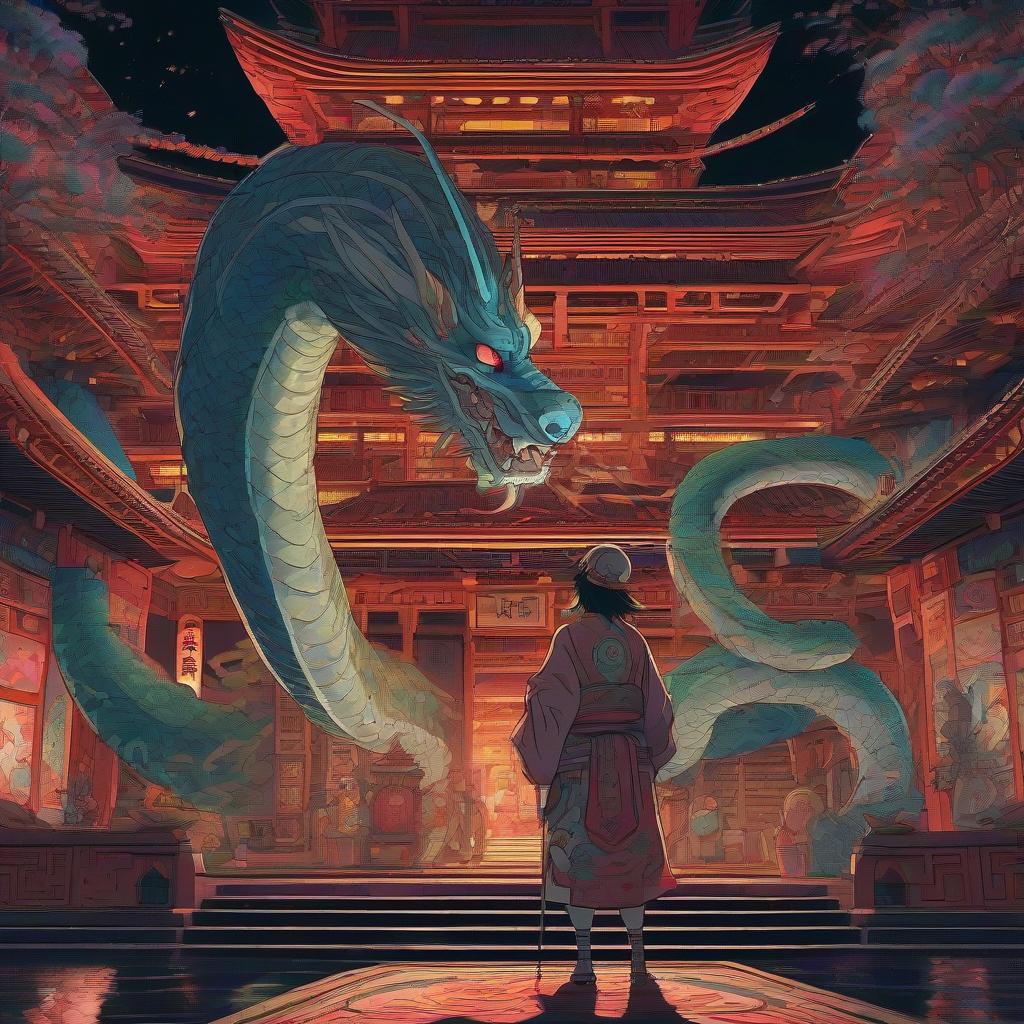
Mononoke Movie 3: Curse of the Serpent Finale Review
A year has passed since the Hinezumi incident, bringing new life and a false sense of peace to the Imperial Harem. Fuki has a daughter, and the Emperor’s wife a son, seemingly securing the dynasty. Yet, peace is fleeting. A fresh wave of unnatural deaths compels the Mononoke-slaying Medicine Seller to return for a final, crucial confrontation. "The Curse of the Serpent" is not a standalone film; it's the pivotal, interconnected conclusion to a trilogy, demanding prior viewing for its full impact.
The Trilogy's Intertwined Narrative
Unlike its predecessors, "The Curse of the Serpent" is deeply intertwined with the previous films. Its central mystery extends beyond the new Mononoke, Hebigami, to question why this location has suffered so many supernatural threats. This interconnected narrative, rich with callbacks, enhances the storytelling. No time is wasted on new character introductions; we know figures like Boton, Asa, and Fuki, which heightens the tension as their lives are at stake.
Crucially, the film skips the repetitive initial conflict of the Medicine Seller gaining entry and convincing skeptics. Asa, Botan, and Fuki, alongside others, fully support him immediately. This efficiency allows "The Curse of the Serpent" to deeply explore its twin mysteries: the Hebigami’s true nature and the dark secret at the heart of the Imperial Harem. This focused narrative earns a strong B+ for its compelling development.
Hebigami: Revealing Hidden Truths
Following the pattern of Karakasa and Hinezumi, the Hebigami is a powerful entity born from profound tragedy, acting as both monster and victim, and a twisted protector. However, Hebigami is far more formidable. Its presence is key to unveiling deeply buried secrets about the Imperial Harem and even the Emperor himself. This revelation links directly to the trilogy's overarching mystery: three Mononoke in one location within a year hints at a larger, manipulative force.
This perspective recontextualizes Karakasa, Hinezumi, and Hebigami. They emerge not just as antagonists, but as misunderstood heroes, each battling this unseen, oppressive force in their own destructive ways. This moral complexity makes the Medicine Seller's apologies upon their defeat all the more poignant. The narrative powerfully explores themes of hidden truths, societal injustice, and the enduring cycle of suffering.
Visual Masterpiece: Art and Animation (A+)
Visually, "The Curse of the Serpent" maintains the signature Mononoke style: hyper-detailed, surreal backgrounds, vibrant colors, animated on a parchment-like texture evoking feudal Japan. Yet, it elevates this further. The Hebigami’s two-dimensional movement across walls, floors, and ceilings is a striking innovation. The renewed focus on geometric shapes, especially the triangular scales falling as the serpent moves, adds to the surreal and dangerous atmosphere.
Dynamic camera work is abundant, escalating tension during action and intensifying the film's dreamlike quality. It’s an undeniable visual spectacle, easily one of the most artistically distinctive animated films, rivaled only by its trilogy companions. The animation and art direction both earn a top A+ for their continuous excellence.
Unique and Powerful Soundtrack (B+)
The film's musical score is a significant asset. The general soundtrack perfectly complements the horror and danger, creating a chilling atmosphere. The opening theme and climax music are particularly noteworthy, blending traditional Japanese vocals and instruments with modern elements like English rap, a prominent bassline, and auto-tune. This creates a unique and distinctively cool soundscape. The continuation of Aina The End’s involvement ensures consistent auditory power across the trilogy. The music earns a solid B+ for its innovation and effectiveness.
The Essential Mononoke Conclusion
"Mononoke The Movie: Chapter III – The Curse of the Serpent" is a fantastic capstone to this extraordinary trilogy. It brilliantly combines supernatural mystery, intense action, profound themes of societal injustice, and stunning visuals. Fans of the original TV anime will appreciate the subtle nods and deeper lore connections. With an overall grade of A-, this film is an absolute must-watch.
If you've followed the Medicine Seller's journey through the previous two films, do not miss this conclusion. For newcomers, embark on the full Mononoke experience: start with the first two films, then this one. For ultimate immersion, consider watching the entire "Mononoke" TV series and the concluding episodes of "Ayakashi - Samurai Horror Tales." You will be thoroughly rewarded.