Dandelion Anime: Before the Gintama Era
Hideaki Sorachi is a name synonymous with comedic genius, largely thanks to his magnum opus, Gintama. That series masterfully blended historical fiction with sci-fi aliens, meta-humor, and heartfelt drama. But what was Sorachi up to before crafting that masterpiece? The Dandelion anime offers a glimpse into his earlier creative leanings, exploring a premise that's equal parts intriguing and, at times, perplexing.
Synopsis: Angels as Debt Collectors
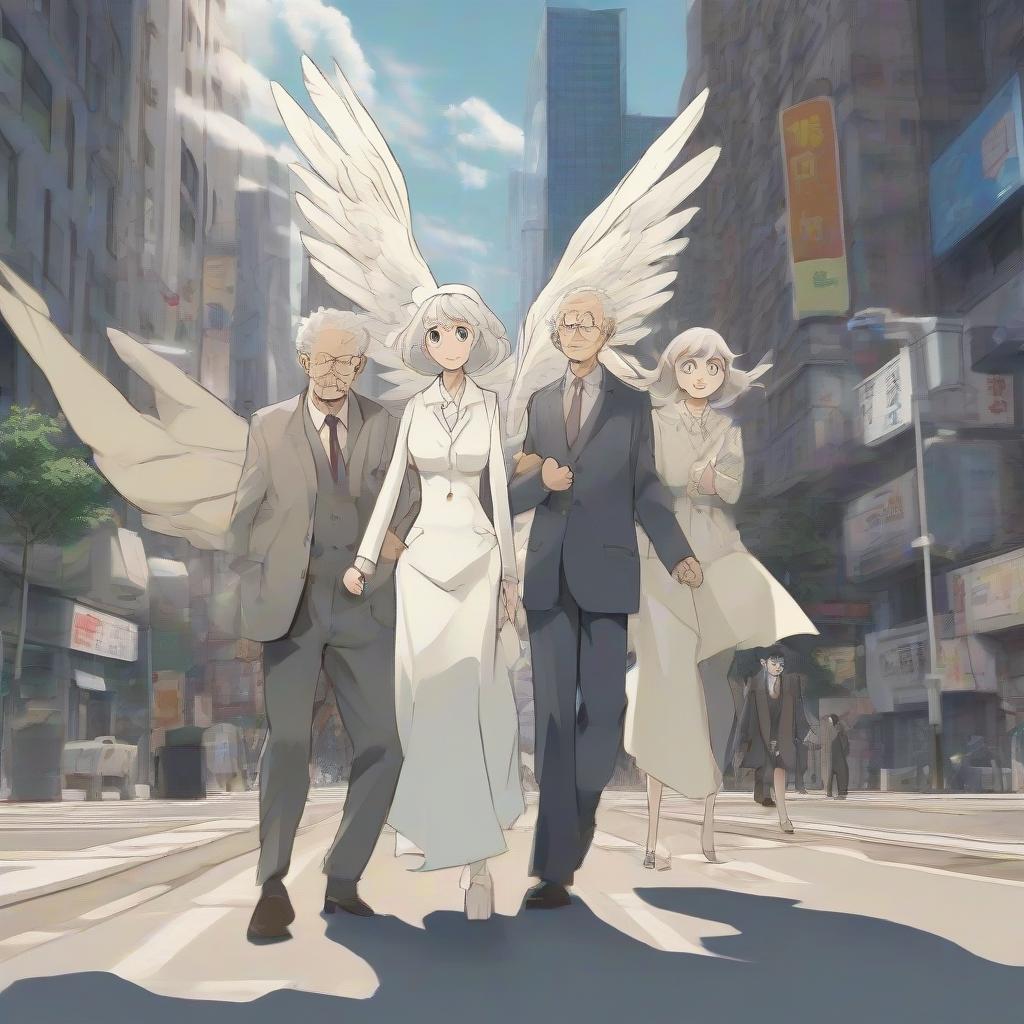
Dandelion introduces us to Tetsuo Tanba and Misaki Kurogane, two "Angels" working in the Send-Off Department of the Japanese Angel Federation. Their mission is to locate and guide Earthbound spirits—souls unable to find peace—to the afterlife. The twist? These aren't your typical ethereal guardians. They're more akin to debt collectors, devoid of grace and full of blunt pragmatism. Their initial encounter with an elderly spirit desperately trying to escape sets the stage for a series that aims to be both humorous and poignant.
A Solid Premise with Gintama's Heart
The core concept of angels behaving like a "black company," driven by quotas and lacking empathy for the deceased, offers a rich vein of dark comedy. The humor stems from the absurdity of such a bureaucratic, unfeeling afterlife system. This blasé attitude paradoxically makes our slacker protagonists endearing. Much like Gintama's Odd Jobs Agency, Tanba and Kurogane often choose to listen to their clients' lingering feelings, allowing for peaceful transitions rather than forceful removals. This approach delivers genuinely touching moments, such as a grandfather's apology over pudding that evolves into a celebration of 50 years of shared life. These early episodes truly highlight Sorachi's talent for balancing crude humor with profound emotional depth, reminiscent of the brilliance that would later define Gintama.
Character Dynamics and Early Strengths
The series benefits from its character development, expanding beyond the initial one-shot. Tetsuo Tanba is portrayed as a hard-nosed character with a surprisingly relaxed demeanor, a unique blend that offers comedic potential. Misaki Kurogane, on the other hand, embodies a mature yet mischievous spirit. The introduction of Masaki Kyouga, their superior, fills the role of the more grounded member, constantly trying to keep the duo on track. Together, this trio develops a distinct camaraderie, evolving beyond mere stand-ins for Gintama's iconic cast. Standout moments, like an angel making an annual visit to someone only they remember, showcase Dandelion's ability to deliver powerful, personal narratives. These individual stories, marked by a balance of humor and emotional resonance, are where the series truly shines.
Where the Story Falters: Pacing and Overarching Plot
Unfortunately, Dandelion struggles when it attempts to stretch its concept into a larger, overarching narrative. Episodes often feel unnecessarily prolonged, adding an extra five minutes that do little but dilute the pacing. The story veers into a convoluted conflict involving "A.I. Gone Wrong" and a "Corporate Anxiety Demon," all tied to one character's daddy issues. The latter half of the series becomes overly focused on this singular character, sacrificing the rich character dynamics and emotional depth established earlier. The engaging banter and individual client stories take a backseat to a generic plotline.
An Exhausting Climax and Disconnected Action
The series culminates in an exhausting 38-minute "save-the-city" climax that feels derivative and out of place. Featuring a giant mech, a six-eyed business overlord, and a "Ghostbusters" style showdown, it deviates significantly from the show's initial strengths. While Gintama successfully integrated its shonen battle arcs thematically, Dandelion's attempt at an Avengers-style team-up feels forced and unearned. The emotional build-up from earlier episodes plays no significant role in this grand finale, leaving viewers with a sense of disconnection. This is a series that thrives on intimate, character-driven moments, not prolonged, generic action sequences.
Art, Animation, and Sound
Visually, Dandelion offers serviceable animation for a gag series. While not groundbreaking, the lighting and shading are noticeably sharper than some of Gintama's earlier episodes. Sorachi's distinctive character designs are faithfully adapted, capturing their goofy expressions effectively. The music, composed by Yūki Hayashi (My Hero Academia), is a definite highlight. While he doesn't get to deliver his signature hype-inducing tracks, his score beautifully underscores the series' emotional moments. Kocchi no Kento's disco-esque ending theme, "Goron to Doron," is a perfect 10/10 bop, comically pairing with the main trio's deadpan dance moves.
Final Verdict: A Mixed Bag with Glimpses of Greatness
Dandelion is a testament to what happens when a brilliant concept struggles with execution. While it offers undeniable traces of Hideaki Sorachi's future comedic and dramatic brilliance, it ultimately doesn't live up to its full potential. The series, though entertaining in parts, ends up feeling drawn out and concludes with a tacked-on climax that detracts from its strengths. It's a series that, despite its heartfelt moments and strong character dynamics, simply drags on too long, losing its way in the pursuit of a grander narrative it couldn't quite sustain.
Grade: C
- Story: C-
- Animation: C+
- Art: C+
- Music: B+
+ You can see early traces of Gintama's brilliance − Doesn't play to its strengths, merely dragging it out