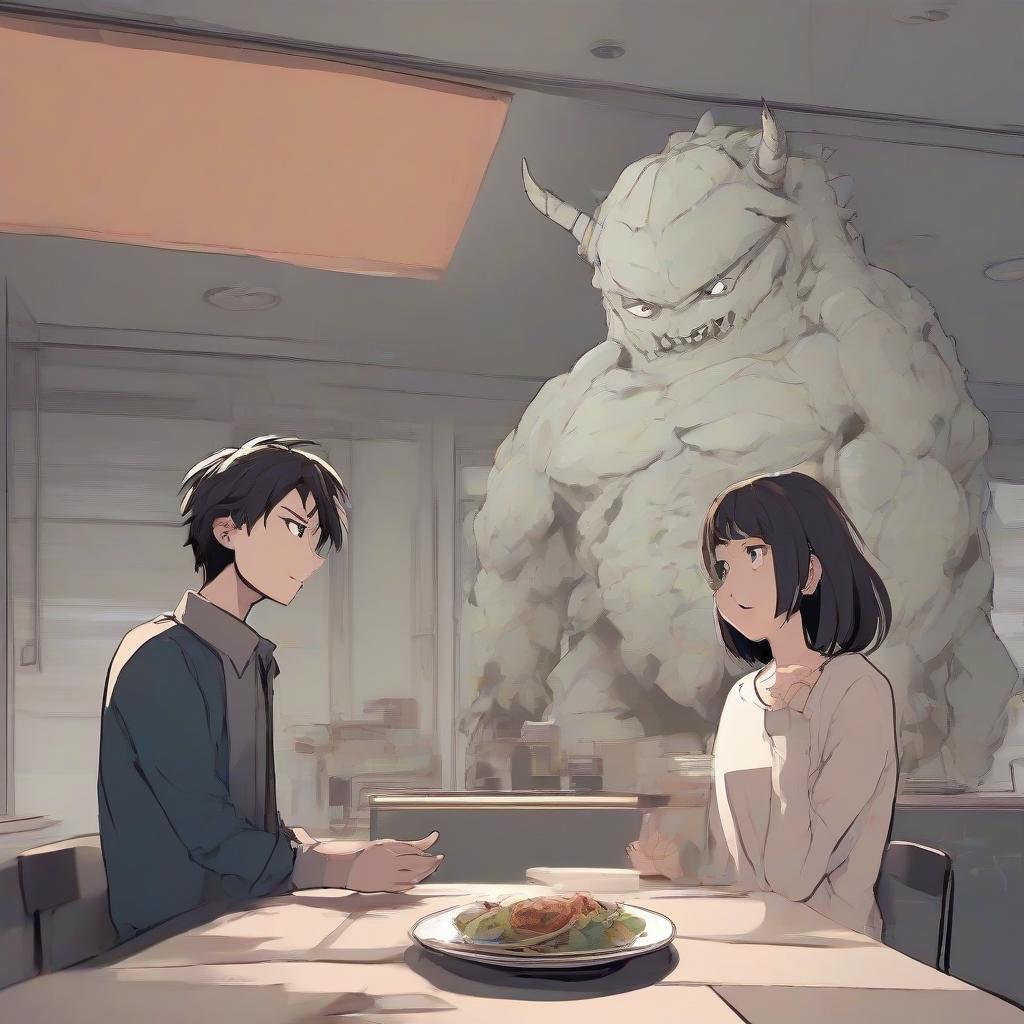
Snowball Earth's fifth episode arrives with a mixed bag: engaging narrative progression alongside persistent visual struggles. Sporting a community score of 3.5, it's clear audiences find elements to appreciate, even as a critical issue continues to hinder the experience. This installment offers a more compelling plot and character interactions, yet its animation remains a significant stumbling block.
Snowball Earth Episode 5: Story and Character Strengths
This episode shows marked improvement in plot and pacing. The introduction of Hagane, a new character, injects fresh energy. As the daughter of a previous survivor, Hagane's tragic backstory—her mechanic mother devoured by a gopher-looking kaiju—fuels her quest for revenge. This personal vendetta drives her actions, leading to a confrontation with the creature by episode's end.
Crucially, Tetsuo's character continues to evolve beyond a generic protagonist. His social anxieties remain prominent, evident in his awkward reactions and communication struggles. An endearing interaction with Hagane, involving affectionate headpats, sends him into shock, echoing connections with Ao. This subtle "harem-y" dynamic promises to explore deeper facets of Tetsuo's personality, ensuring he's not just a plot device but a complex individual.
Building Tension: The B-Plot
Beyond the character drama, Snowball Earth Episode 5 skillfully handles its B-plot, setting the stage for future conflicts. New antagonists are introduced, steadily closing in on the mall where Tetsuo's group shelters. Their sequences are spread throughout the episode, building a slow, creeping tension. These villains gradually tighten the net around the protagonists, first amidst Tetsuo and Hagane's interactions, then during the aftermath of Hagane's fight. While a major showdown isn't delivered yet, the meticulous pacing and impending threat strongly suggest an explosive confrontation is imminent, effectively raising the stakes.
The Major Flaw: Inconsistent CGI
Despite narrative strides, the episode is severely undermined by persistent, poorly executed CGI. It is perplexing why roughly two-thirds of each episode relies on 3D computer graphics, only to randomly switch to traditional 2D animation during less eventful moments. This inconsistent visual approach creates a jarring and immersion-breaking experience.
Take the cooking scene: CG shots of characters, a sudden 2D switch for food close-ups, then back to CG for dialogue. Or Hagane extending her arm in CG, Tetsuo crouching in 2D, then CG for her headpats. Such arbitrary transitions highlight a lack of cohesive animation direction.
The CGI also cripples action sequences. The episode opens with a captivating 2D-rendered three-headed kaiju, teasing a battle that, frustratingly, never appears. Later, Hagane's pivotal fight against the gopher kaiju is entirely CG, resulting in a "bleh" aesthetic resembling a video game cutscene rather than dynamic anime action. This missed opportunity for impactful 2D animation or "sakuga" leaves the scenes feeling sterile and devoid of memorable visual punch. The inconsistent quality and pervasive CGI remain Snowball Earth's primary visual Achilles' heel.
Minor Gripes and Concluding Thoughts
Beyond the animation issues, the episode incorporates a few ultra harem-y clichés, like the "baka no hentai" moment with Hagane's introduction and an accidental "yukadon" finale. While common in the genre, these tropes can feel predictable.
Ultimately, Snowball Earth Episode 5 showcases the series' strong narrative potential. The improved plot, well-paced antagonist development, and thoughtful character growth are significant positives. However, these strengths are consistently overshadowed by the baffling and detrimental reliance on subpar CGI. If the animation quality could match its storytelling, Snowball Earth would be a far more engaging series. As it stands, promising narratives are frequently tripped up by their own visual shortcomings.