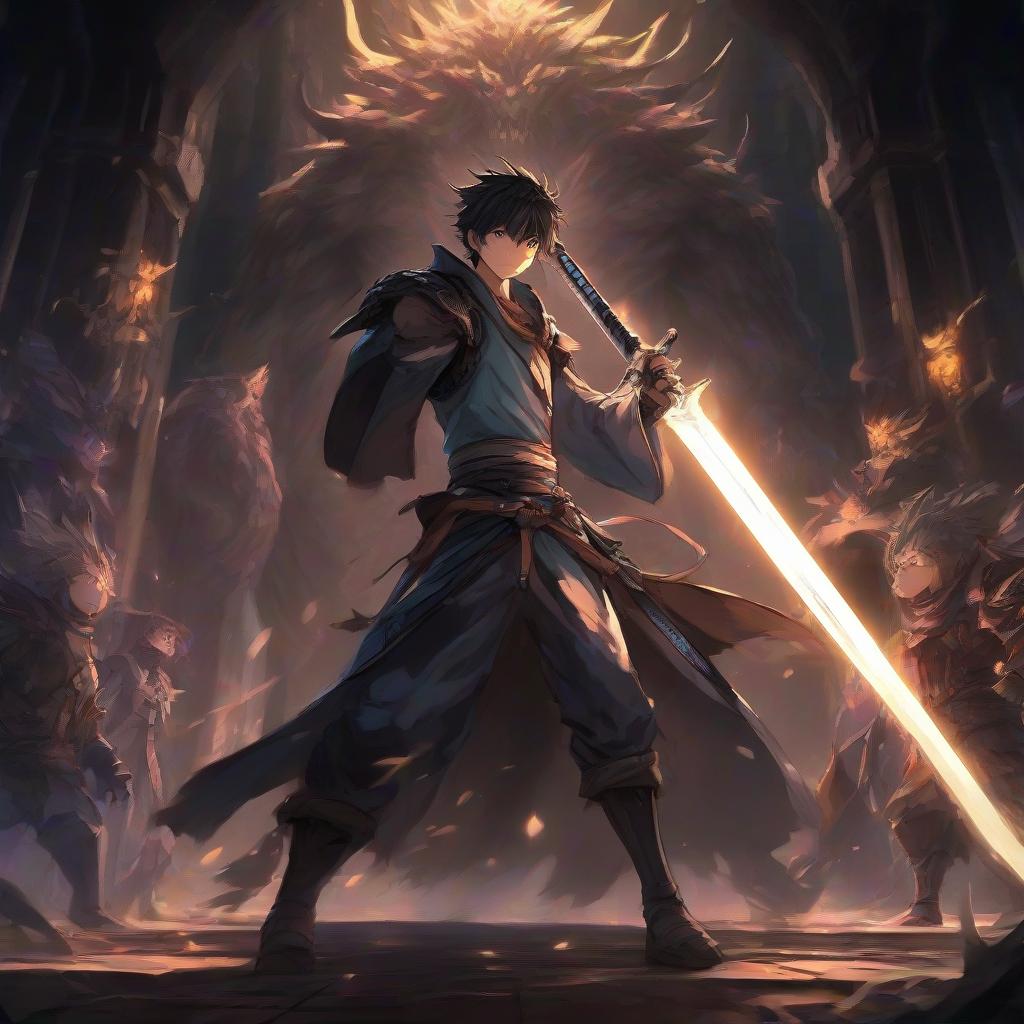
Jack-of-All-Trades, Party of None Season 1 Anime Review
The anime world is familiar with "banished from the heroes' party" fantasy stories, and "Jack-of-All-Trades, Party of None" Season 1 enters this well-trodden territory. Orhun Dura, once a capable swordsman, transitioned to an enchanter for his hero's party. Despite his dedication and innovative magic, he was deemed inadequate and summarily ejected, replaced by a renowned enchanter. This initial premise firmly places the series within a recognizable sub-genre.
Familiar Tropes and Evolving Narrative
The early episodes adhere closely to common tropes. Orhun, initially dismissed, is soon revealed as the true powerhouse and strategic backbone of his former group. As the season progresses, he forms new alliances with those who appreciate his abilities and mentors younger adventurers, while his old party predictably struggles in his absence. This adherence to formula can feel repetitive at first.
However, the series begins to differentiate itself as it moves past these initial setup tropes, shifting from a simple power fantasy to a more nuanced exploration of personal trauma and emotional recovery.
Orhun's Emotional Healing
A significant strength lies in Orhun's emotional journey. His expulsion is a profound betrayal. Oliver, the party leader, was Orhun's childhood friend; their Hero Party was a shared dream born from a vow to protect others after a massacre. Orhun views his banishment as a broken sacred bond, leaving deep emotional wounds that hinder his trust in new groups.
Much of the season focuses on Orhun's healing. Through interactions with new adventurers who value him and by mentoring the next generation, he begins to mend, fostering a healthier, more supportive dynamic than he ever knew. This psychological focus adds unexpected depth.
Unleashing Hidden Power
Another key distinction is Orhun's full awareness of his immense power. He previously held back for two reasons: his belief in teamwork, where his role was to bolster the party, and the extensive recovery time after using his full strength. Free from the Hero Party's constraints, these limitations vanish. When innocent lives are threatened, especially by dragons, Orhun unleashes his full potential, delivering awe-inspiring heroic moments.
The Persistent Black Dragon Threat
The Black Dragon is expertly used as a recurring, credible threat. It showcased its immense power by causing losses to other parties and nearly overwhelming the Hero Party, with their narrow victory leading to Orhun's banishment. As a dungeon monster, it respawns, allowing it to reappear throughout the series. This consistent presence effectively highlights Orhun's capabilities and continuously raises the stakes.
Building a Broader World
The season gradually expands its scope. Personal mysteries emerge, like Orhun's missing memories and Philia's enigmatic role in manipulating the Hero Party. Furthermore, a dark cult and an adventurer-murdering guild are introduced, both seemingly linked to the very existence of dungeons. These elements promise a richer, more intricate world.
The primary drawback is that these compelling mysteries remain unresolved by the season's end. Viewers must first navigate familiar "banished from the heroes' party" tropes before these unique plots fully develop, leaving them as unresolved cliffhangers for a potential second season.
The Caroline Character Issue
A notable misstep is the handling of Caroline, a young mentee with severe PTSD from child abuse, manifesting as a drive to make everyone smile. The problem isn't her backstory, but Orhun's methods of "helping." He occasionally triggers her PTSD to teach lessons or enforce discipline, using phrases like, "If you do X, your friends won't be smiling anymore." This approach feels ethically questionable and at odds with Orhun's otherwise heroic portrayal.
Presentation: Visuals and Audio
Visually, "Jack-of-All-Trades, Party of None" is competent. While 2D to 3D transitions are noticeable, the 3D animation truly elevates fight scenes. Orhun's battles, particularly against the Black Dragon, are fast, fluid, and flashy, perfectly capturing his "big damn hero" moments. The music is generally forgettable but competently underscores emotional and action beats.
Conclusion: Potential with Caveats
"Jack-of-All-Trades, Party of None" is a series both constrained and aided by its premise. It starts as a conventional "banished from the heroes' party" story, but slowly blossoms into a more unique and emotionally resonant tale. The challenge is enduring the familiar to reach the distinctive elements. Since Season 1 ends without resolving its most original mysteries, it feels largely like a setup, a "carrot on a stick" for a second season.
If you enjoy the "banished from the heroes' party" sub-genre or seek a non-isekai fantasy anime, it might be worth exploring. However, given the abundance of quality anime, its initial reliance on common tropes and unresolved plots might limit its broader recommendation.
Overall Grade: C+
Story: C+
Animation: C+
Art: C+
Music: C
Pros:
- Ends up building an interesting world set apart from other “banished from the heroes' party” anime.
Cons: − Has to wade through a ton of “banished from the heroes' party” tropes better utilized in other anime to get there.