A Promising Start Derailed by Questionable Choices
Episode 8 of Go For It, Nakamura-kun!! kicked off with a familiar focus on Nakamura's deep-seated insecurities, a narrative choice that some viewers find less compelling than the show's more expansive, over-the-top humor often delivered by its extended cast. This preference for broader comedic scenarios was sidelined for a return to Nakamura's internal anxieties. Despite this initial leaning, the episode managed to deliver a brief, relatable moment of genuine comedy. Nakamura's arduous struggle to simply utter a simple "hello," followed by his raw scream of frustration, perfectly captured the universal experience of social awkwardness where simple actions become insurmountable hurdles. This early highlight, however, proved to be a fleeting one, as the episode quickly veered into increasingly uncomfortable territory. The initial, fleeting laughs were soon overshadowed by a brand of humor that felt anything but charming, raising questions about the show's adherence to its prior commitments regarding toning down certain comedic elements after receiving audience feedback.
The Gym Clothes Incident: Crossing a Line
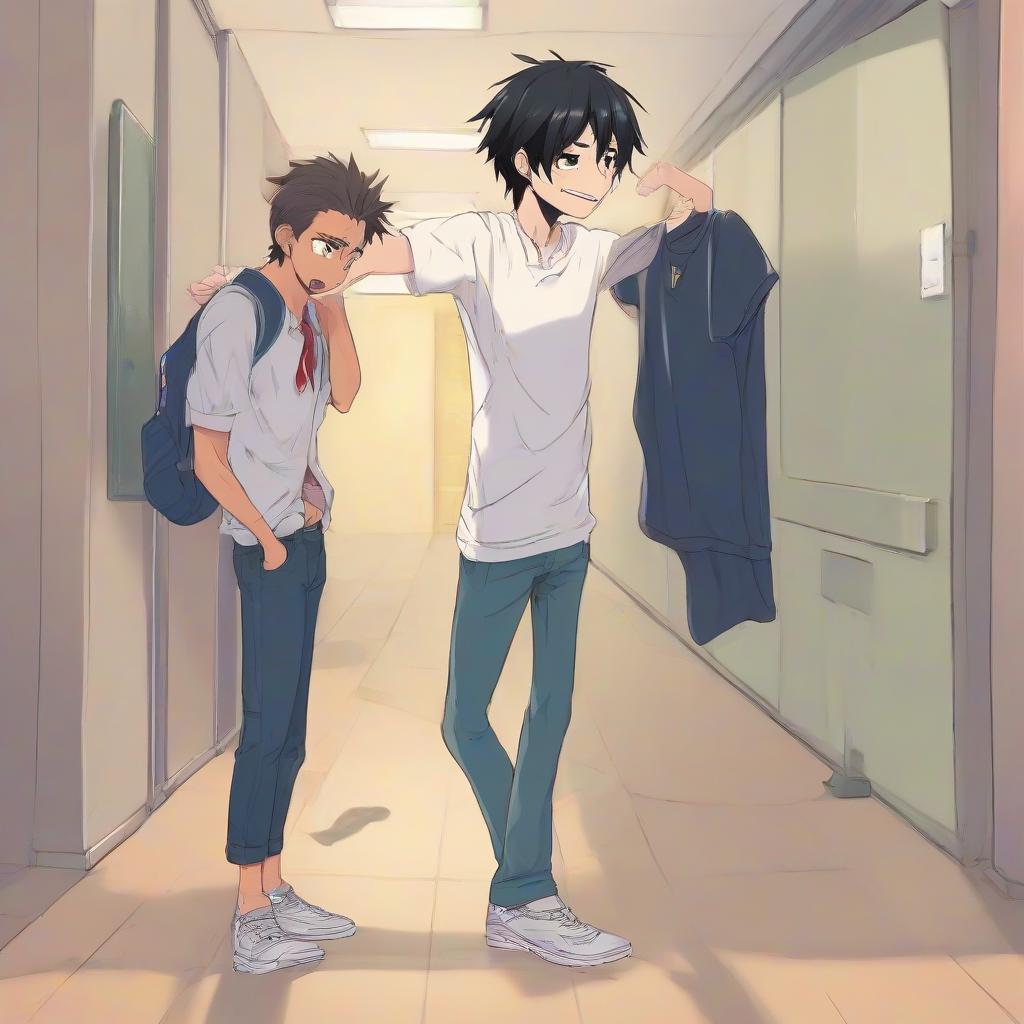
The narrative experienced a significant and problematic downturn with the segment involving gym clothes. The comedic intention behind this skit seemed to be a subversion, first by humorously suggesting Hirose's vigorous sweating during physical activity, and then by revealing that the clothes in question didn't even belong to him. However, these attempts at humor were largely overshadowed by a more critical issue. The discovery of the gym clothes, initially believed to be Hirose's, prompted Nakamura to engage in a profoundly uncomfortable act: sniffing them. While credit is due to the writing for having Nakamura immediately express intense regret, profusely labeling himself a "creep" throughout the remainder of the skit, this moment still felt like a serious misstep. Adding to the overall oddness was the subtle detail that Hirose appeared comfortable loaning out someone else's athletic wear, a minor point that nonetheless contributed to the segment's peculiar atmosphere. Despite Nakamura's internal condemnation of his own actions, this incident, perhaps intended as a moment of uncomfortable character weakness, unfortunately served as a precursor to an even more disturbing encounter, eroding any goodwill established earlier.
The Escalation of Creepiness and a Troubling Exchange
The episode then introduced a new character, seemingly designed to highlight Nakamura's own problematic obsessions by presenting an individual whose infatuation with Hirose reached an even more alarming and unsettling degree. This new character, however, pushed the boundaries of awkward humor into genuinely disturbing territory. Nakamura's immediate and blunt reaction, calling the newcomer a "pervert," was ironically accurate given the circumstances that unfolded. The reveal of several pictures of Hirose, which appeared to have been taken without Hirose's knowledge or consent, instantly activated significant red flags for viewers. What transpired next was a deeply uncomfortable sequence where both characters engaged in a bizarre competition to "out-creep" each other. While Nakamura might have comparatively appeared "better" in this unsettling exchange, his willing participation and eventual acceptance of Hirose's childhood pictures, also seemingly obtained without the subject's consent, severely undermined any semblance of moral superiority he might have initially held. The comedic intent, if any, behind this interaction was entirely lost amidst the palpable sense of discomfort, leaving viewers feeling a profound sense of pity and concern for Hirose, who remained completely oblivious to these unsettling actions taking place behind his back.
A Missed Opportunity for Reflection and Growth
This entire segment represented a profound missed opportunity for meaningful character development and narrative impact. Instead of using this encounter as a pivotal moment for Nakamura to confront his own deep-seated obsessions and potentially call out the other character's undeniably inappropriate and invasive behavior, the episode opted for a far less impactful and more troubling direction. A genuine moment of ethical confrontation or a significant self-realization on Nakamura's part could have served as a powerful mirror, offering him a stark glimpse into the potentially dark and obsessive path his own fixations could lead him down. Such a narrative choice could have been a transformative turning point for his character. Instead, the interaction inadvertently cast Nakamura in an even more negative light, as his participation in the exchange and acceptance of non-consensual images implicitly condoned or normalized such behavior. The episode's failure to adequately address these glaring ethical implications, particularly Nakamura's apparent reluctance to report the new character's actions (seemingly motivated by his own desire to gain something), left a lingering and deeply unpleasant feeling. The humor failed to land its punch, any previous charm was conspicuously absent, and the overall impression was undeniably unsettling and "icky." Many viewers, mirroring the original review's sentiment, will likely express a fervent hope that this particular unsettling character does not make a return appearance, leaving a distinctly sour taste after an episode that severely struggled to find its comedic and moral footing.