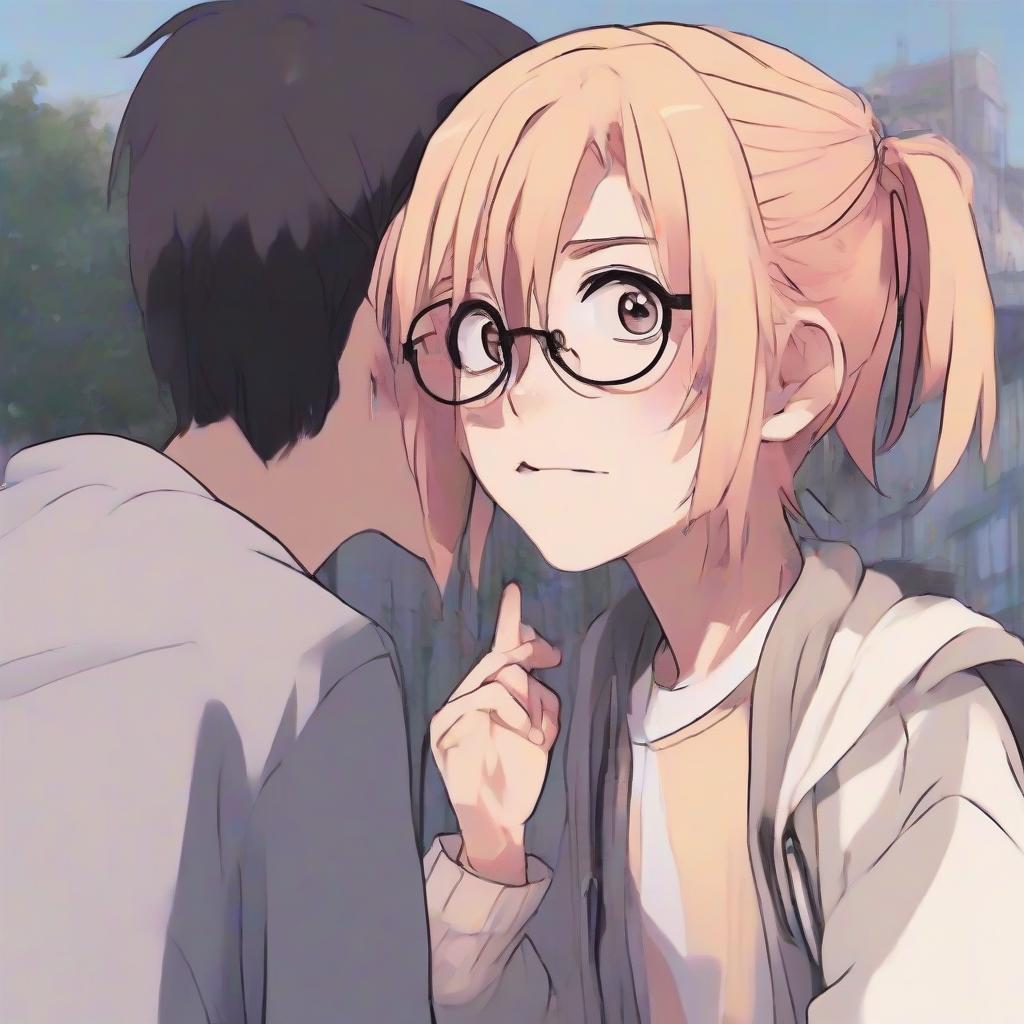
The high school debut is a beloved trope in romance manga, offering characters a fresh start and a chance to reinvent themselves. In Glasses With a Chance of Delinquent, we meet Momose, a protagonist determined to leave her difficult middle school years behind. Having been picked on and used by delinquents and gyaru, she enters high school with a new look—dyed hair and contacts—aiming for an aggressively normal persona to avoid being a target again. Her plan seems flawless, until she encounters Ichikura.
Ichikura, the bespectacled, studious boy in her class, appears to be the epitome of harmlessness, maintaining a reputation as one of the good, smart kids. He even leads the Helpers Club, dedicated to assisting anyone in need. Momose initially sees him as a safe bet, someone entirely removed from her past anxieties. However, she soon uncovers a shocking truth: Ichikura is also undergoing his own high school debut, transforming from a former delinquent into the mild-mannered nerd she perceives him to be. This revelation rocks Momose's carefully constructed world, as the line between her desired new life and her feared past blurs once more.
Two Pasts, One New Beginning
What truly elevates Glasses With a Chance of Delinquent across its first three volumes is the genuine earnestness of both Momose and Ichikura in their quest for change. Their transformations are not superficial; they are deep-seated desires to shed their former selves. It is a challenging journey, and the manga realistically portrays their struggles. Both characters occasionally slip back into old habits, a stark reminder of how deeply ingrained those personas were and the reasons that compelled them to seek change in the first place. For instance, at the close of the first volume, Ichikura asks Momose out, driven by a sincere wish to prove he is not like the guys who terrorized her in middle school. Despite a momentary lapse in volume two when an old acquaintance resurfaces, he quickly apologizes for unsettling her, demonstrating his commitment to growing.
Similarly, Momose faces her past head-on when an upperclassman gyaru seeks aid from the Helpers Club. Her instinctive fear is palpable, sending her back to uncomfortable memories. Yet, with newfound courage, she strives not to let the older girl intimidate her. These characters stumble, but crucially, they prevent themselves from completely falling, learning and adapting with each challenge. Their shared journey of self-improvement forms a compelling core for the series, drawing readers into their struggles and triumphs as they navigate high school life while actively trying to become better versions of themselves.
A Romance of Transformations
By the end of volume one, Momose and Ichikura embark on a romantic relationship, a development that largely benefits the narrative. This closer proximity allows for a more effective exploration of their individual changes within the confines of a romance story. Their vastly different life experiences naturally lead to some clashes and misunderstandings, providing engaging conflict and character development. Ichikura, for example, is notably more experienced and comfortable in the dating sphere compared to Momose, and he is acutely aware of this disparity.
While Momose navigates the innocent wonder of first love—imagining if kisses truly taste like lemons—Ichikura initially tries to temper his own desires to avoid overwhelming his girlfriend. Their first kiss is delayed through several near-misses, and when it finally happens, it amusingly does not taste like lemons. Once Ichikura feels he has received permission, however, his approach to physical affection shifts. He begins to seize any opportunity to put his arm around her waist, a dynamic that Momose is visibly uncomfortable with. This leads to some challenging moments in volume three, where Ichikura’s possessive statements, such as “I’m yours, and you’re mine,” can unfortunately make him come across as unsettling. For readers who do not find possessiveness romantic, this aspect of volume three might be a difficult point in their enjoyment of the series.
Unexpected Twists and Authorial Growth
One of the standout elements in Glasses With a Chance of Delinquent is creator Naruki’s ingenious subversion of the typical no-chance rival storyline. In volume two, an old middle school acquaintance of Ichikura’s appears and later transfers to their school. Instead of harboring a romantic interest in Momose, this new character is primarily there because he genuinely wants to rekindle his friendship with Ichikura. He struggles to comprehend Ichikura’s radical transformation from delinquent to nerd, creating a unique dynamic. While this does introduce a jealousy subplot, it is a refreshing departure from the standard romance love geometry, offering a more nuanced and character-driven conflict. For many readers, witnessing a jealous Ichikura might even add an alluring layer to his character.
It is worth noting that Glasses With a Chance of Delinquent is Naruki’s first serialization, and this is occasionally evident, particularly with an early assumption that volume two would conclude the series. However, as the manga progresses through these initial volumes, a clear evolution in Naruki’s craft is observable. Page layouts become smoother and easier to follow, and the character writing sharpens considerably, indicating a growing comfort and skill with their series. This manga might not be reinventing the wheel of shoujo romance, but it offers a charming and enjoyable spin on established tropes. For fans who appreciate earnest characters, unique plot twists, and the journey of self-discovery within a romantic setting, Glasses With a Chance of Delinquent provides a delightful reading experience.
Final Thoughts: Is it Worth Reading?
Overall, Glasses With a Chance of Delinquent earns a solid B grade for its first three volumes. The story receives a B, propelled by its engaging premise of personal transformation and its clever twist on the love rival trope. The art, while sometimes stiff, shows marked improvement, earning a B-. The manga’s strengths lie in its genuinely earnest leads and its generally fluffy, fun narrative. However, readers should be mindful of Ichikura’s occasional handsiness and the possessive language that surfaces in volume three. Despite these minor drawbacks, if you are a fan of shoujo romances looking for a series with heart, character growth, and a fresh take on classic elements, you will likely have a good time with Glasses With a Chance of Delinquent.