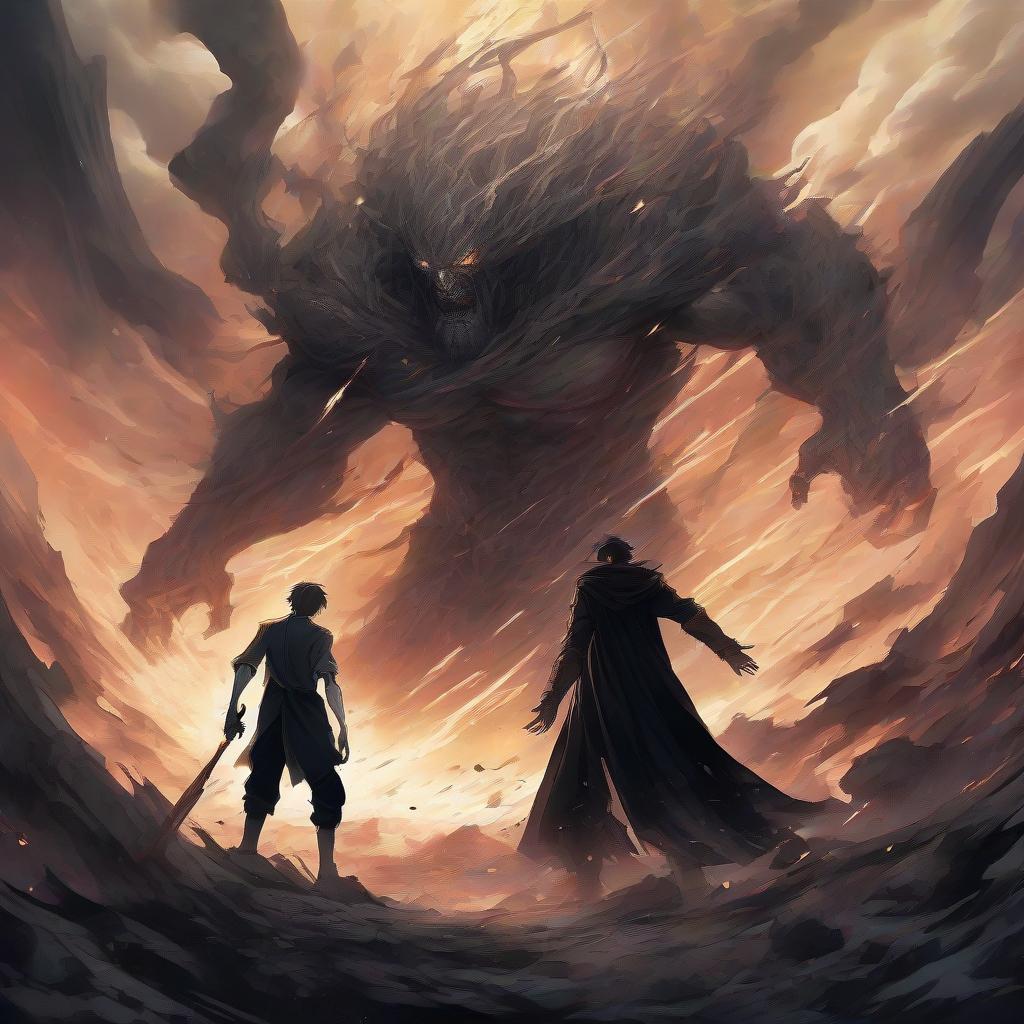
The Thousand-Year Blood War (TYBW) arc, encompassing volumes 56 to 74 of Tite Kubo's Bleach manga, was positioned as the epic conclusion to a beloved supernatural saga. However, for many long-time enthusiasts, this ultimate conflict proved to be a disheartening experience, marred by narrative fatigue and a series of questionable creative decisions.
Repetitive Narrative Traps
Veteran readers will find a disturbingly familiar pattern in the TYBW arc. Once again, a mysterious, powerful organization emerges from the shadows, threatening the balance of the spiritual world and pulling our protagonist into a high-stakes conflict. This necessitates venturing into new, adjacent realms, forging alliances with intriguing new characters boasting impressive powers, engaging in intense training to unlock hidden abilities, and confronting foes with increasingly bizarre names and even stranger capacities. Along this predictable path, the hero discovers a deep, inherited connection to the conflict, turning a battle for global survival into a profound crisis of identity and conscience. This formula, while effective in the earlier Soul Society arc, has been rehashed so many times that by the TYBW, it feels utterly drained of its original impact.
Plot Inconsistencies and Character Motivations
Many longstanding deficiencies in the series' writing become glaringly apparent in these final volumes. The protagonist's role, for instance, is frequently framed as a savior or integral member of the primary spiritual organization, despite his relationship with them always being, at best, a reluctant alliance driven by mutual benefit. His initial involvement in the TYBW feels less than organic, lacking personal motivation until the antagonist's direct connection to his deceased mother's heritage is unveiled. While the antagonists' visually overt thematic influences might provide a clear sense of who the heroes should oppose, it does little to deepen the protagonist's personal stake in the initial phases of the conflict. The pacing further suffers from an unending stream of newly introduced combatants with escalating, often absurdly overpowered abilities, which serve more as excuses for fan-favorite characters to get spotlight moments rather than advancing a coherent plot.
Character Twists and Problematic Elements
Some character-centric developments in these volumes range from conceptually interesting but poorly executed, to outright detrimental to established lore. A particular highlight, the revelation of a certain material healer's true, bloodthirsty past, is an incredible subversion of archetypes that the series itself helped popularize. Yet, this intriguing twist ultimately functions primarily as a narrative device to facilitate another character's power upgrade. Speaking of that character, the decision to transform his unique combat philosophy and enigmatic relationship with his subordinate into a conventional spiritual sword bond feels like a fundamental misunderstanding of what made him compelling. Furthermore, his ultimate power release, which robs him of the ability to communicate or reason, simplifies a character once defined by his chosen embrace of violence, making him merely a mindless embodiment of it. The arc also includes a perplexing and unwelcome instance of transphobia, particularly with one antagonist, highlighting a severe lapse in judgment.
The Unsatisfying Conclusion
Perhaps the greatest letdown of these final volumes, surpassing the overwhelming cast of underdeveloped characters, the inconsistent handling of established plot points, and the problematic narrative choices, is the series' ending. The defeat of the functionally omnipotent main antagonist, facilitated by a last-minute, conveniently introduced plot device from another character, feels like a weak resolution. This conclusion stands in stark contrast to earlier, more impactful finales, such as the protagonist's prior triumph over a transcendent foe achieved through grueling, focused training. While that prior ending also had its contrivances, it at least provided a visually spectacular fight and resonated with the series' underlying themes of overcoming adversity through sheer dedication. The final confrontation in the TYBW arc, however, reads like a frantic scramble to resolve an antagonist who had been written into an insurmountable corner.
A Faltering Farewell
For years, Bleach earned a reputation for its stylish characters, impressive nomenclature, and elaborate power explanations. Yet, these final volumes lay bare the fundamental cracks that had been forming in its foundation. The franchise, at this point, appears to have been running on increasingly faulty logic, difficult-to-manage power systems, and characters whose motivations fluctuate inconsistently. For long-time followers, completing the manga is a testament to dedication, but it comes at the cost of a significant portion of the goodwill the series had painstakingly built. While visually striking moments persist, the narrative substance of the Thousand-Year Blood War arc is a profound disappointment, underscoring that the series' impressive posturing ultimately could not compensate for its underlying structural weaknesses.
Grade: Overall: C Story: D Art: B-
- These characters look cool as hell, and no manga is better at making its ridiculous developments feel as believable as Bleach.
- This is just a worse version of the story Bleach has told three or four times already.