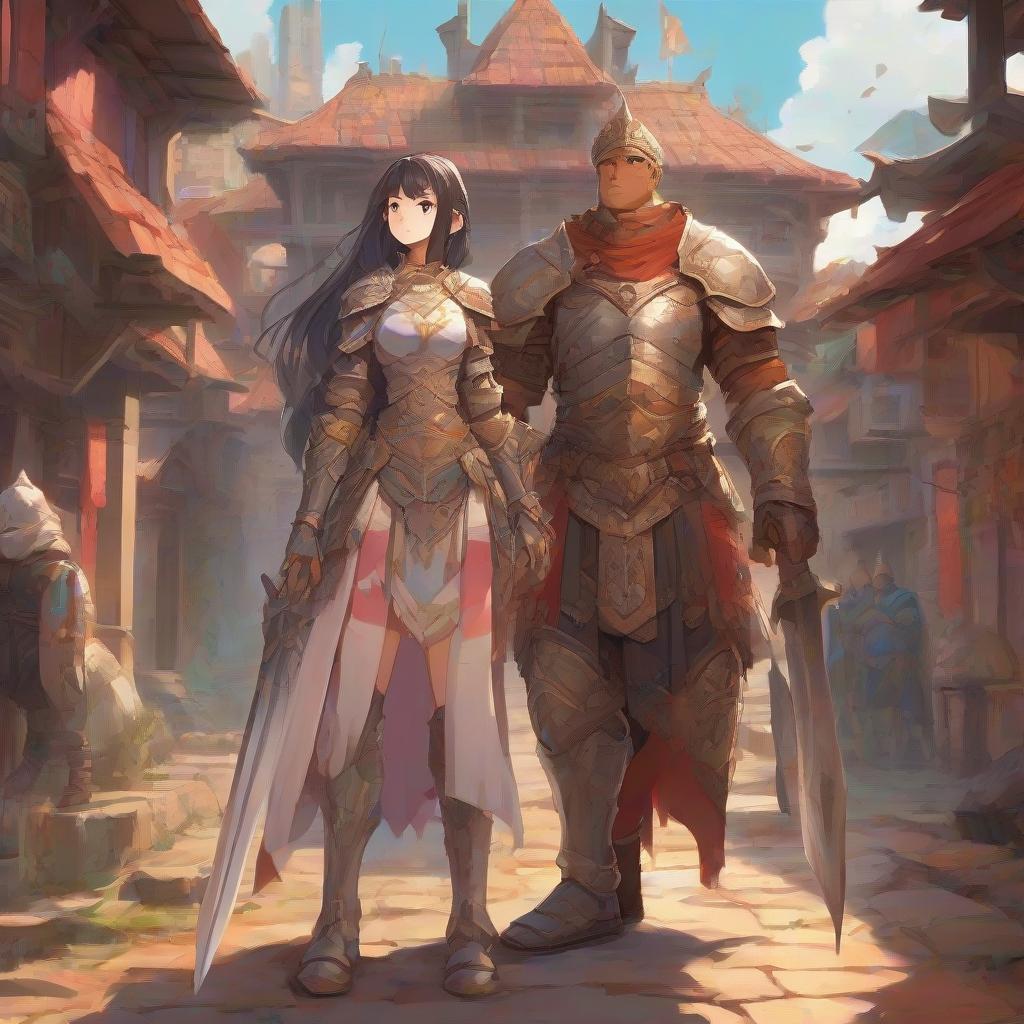
The Warrior Princess and the Barbaric King has quickly established itself as a series exploring themes of cultural misunderstanding and personal growth. After the initial two episodes set the stage, episode 3 dives deeper into the heart of these conflicts, pushing our protagonist, Sera, towards a significant awakening. This latest installment, which garnered a community score of 4.0, marks a pivotal moment in Sera's journey, making it an essential watch for fans invested in her story.
Sera's Unveiling of a Different World
The central revelation of episode 3 is Sera's dawning realization that the so-called "barbarians" are not the monolithic, bloodthirsty enemies her kingdom has painted them to be. This epiphany begins with Veor's calm declaration that his soldiers don't seek her blood; rather, they admire her battlefield prowess and view sparring with her as an honor. This notion is alien to Sera, whose own society likely views such an opponent with enmity. It's a striking contrast that immediately challenges her deeply ingrained preconceptions. This episode brilliantly sets the stage for Sera to question everything she thought she knew about her adversaries and, by extension, her own people.
Cultural Rifts and Personal Introspection
One of the most impactful segments of the episode explores the profound cultural differences surrounding death and loss. Sera's world dictates vengeance and mourning for the fallen. However, when she encounters two widows from Veor's village whose husbands were killed by her own army, their reaction is unexpectedly serene. For Veor's people, death is a natural part of life in a world teeming with monsters and the necessity of hunting. They express no resentment, only a pragmatic acceptance, highlighting a stark philosophical divide.
While their stoicism offers a powerful lesson in perspective, the narrative doesn't shy away from the importance of Sera's personal accountability. The review rightly points out that this introspection is crucial for her character development. She has spent her life adhering to her kingdom's ideology of a "just war," and now she must confront the human cost of her actions. Was it truly righteous to kill an expectant father? This episode forces Sera to grapple with the moral implications of her past, pushing her to consider the legacy she is building. This internal conflict is a compelling arc for a warrior who has always followed orders.
Admiration Where There Was Scorn
Another fascinating aspect of episode 3 is the stark contrast in how Sera's abilities are perceived. Her own kingdom may have resented her strength and martial skill, viewing them as unwomanly or unusual. Yet, among Veor's people, these very traits are celebrated. They see her not as an anomaly but as the perfect match for their prince: strong, skilled, and capable. This acceptance and admiration for her true self is a profound experience for Sera, who has likely felt like an outsider in her own society.
This theme culminates beautifully when Veor rescues Sera, not just physically, but by acknowledging the difficulty of her situation and the strength it takes to endure. This acknowledgment, something she has rarely received, triggers an emotional response from Sera, showing how deeply she craves understanding and acceptance. The lakeside town becomes a haven where her true self is appreciated, not judged.
A Deeper Commentary on "Civilization"
"The Warrior Princess and the Barbaric King" uses episode 3 to further its subtle, yet potent, social commentary. The show meticulously highlights the superior aspects of the "barbarian" culture, from their communal spirit to their philosophical approach to life and death, often contrasting it with the perceived rigidness and self-righteousness of Sera's "civilized" Western kingdom. This isn't just a fantasy trope; it feels like a deliberate reflection on real-world historical and contemporary dynamics, urging viewers to question preconceived notions.
However, the narrative isn't presenting a black-and-white picture. The review hints that Sera's home nation must have its merits, citing her own exceptional training as evidence. The underlying message is clear: different does not inherently mean bad. This nuanced approach adds significant depth to the world-building and character motivations.
Production Quirks and Overall Improvement
While the narrative strengths of episode 3 are undeniable, the episode isn't without its minor production quirks. The review mentions the noticeable CG monsters and specific animation choices, such as repetitive hand movements among background characters, which can break immersion once spotted. Additionally, a minor continuity detail regarding Veor's name spelling (Veorg vs. Veor) is noted.
Despite these small imperfections, the overall consensus is that the show is improving significantly. With Sera engaging in less yelling and more genuine introspection, her character becomes more relatable and compelling. The emotional beats, especially her tears of relief and acceptance, land powerfully, underscoring the success of her character arc in this episode.
Episode 3 of "The Warrior Princess and the Barbaric King" is a powerful installment that pushes its protagonist towards vital self-discovery and cultural understanding. It challenges viewers to question their own assumptions about "civilized" versus "barbaric" and celebrates the beauty of difference. It sets a strong foundation for what promises to be an engaging and thought-provoking series.