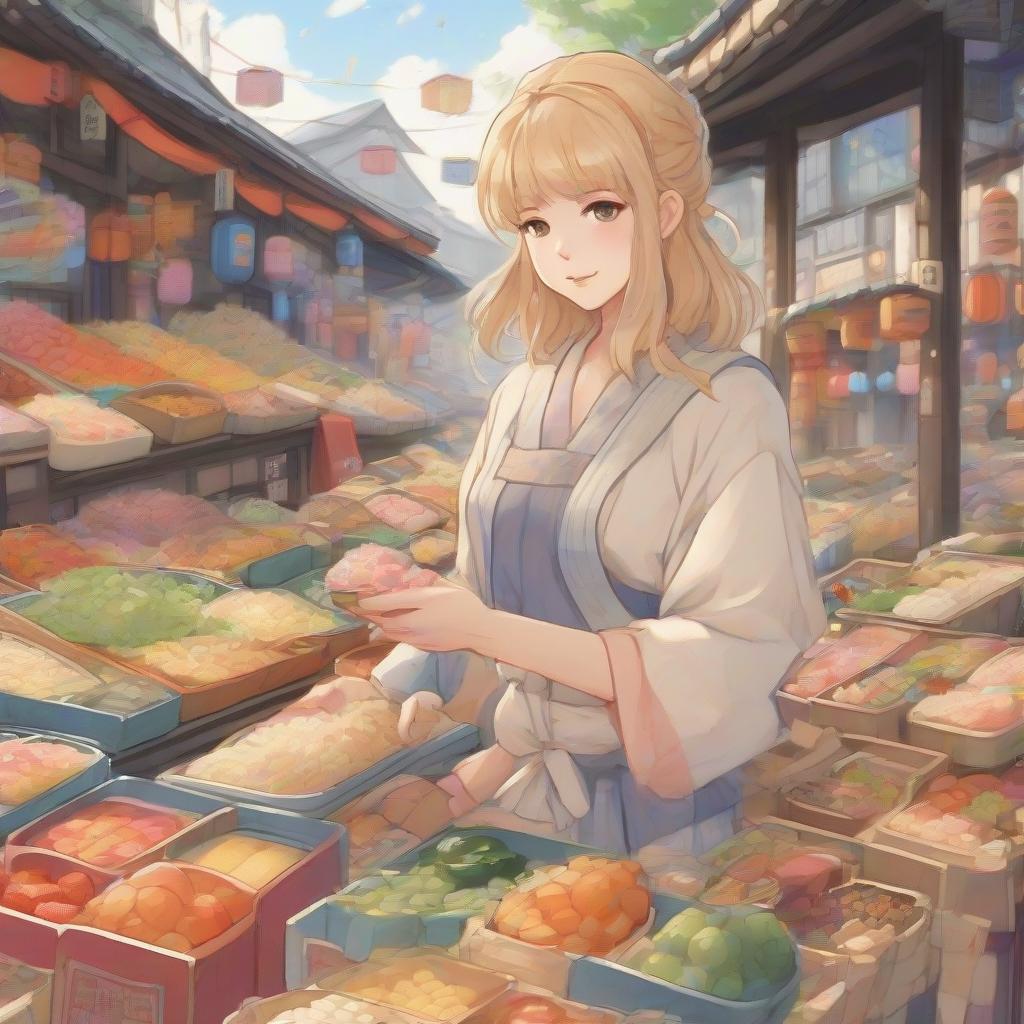
Devil's in the Lunch Deals: A Divine Punishment
Fairytales often serve as more than just stories; they are moral compasses, cautionary tales, and profound philosophical inquiries. "Devil's in the Lunch Deals" plunges into this rich tradition, presenting a narrative that questions divine justice and the essence of humanity. The manga introduces us to Solange, once revered as the Goddess of Harvests and Death in the North. Entangled in a devastating war fueled by her very identity, Solange is cast down, punished to live as a human named Lainey. Her penance? Selling bento boxes in a humble town market, committed to performing a good deed daily until she is forgiven. This premise immediately sets a compelling stage, blending fantasy with a grounded, relatable quest for redemption.
Lainey's Journey: From Goddess to Bento Maker
Lainey's human existence is far from divine. She shares a home with Daria, a talented yet timid singer, and finds herself genuinely surprised by small human capabilities, like healing minor injuries. Her dedication to her punishment is sincere; she truly strives to help those around her, not with grand celestial power, but with simple, human acts of kindness. A pivotal moment occurs when Lainey accidentally serves one of her exquisite bento boxes to the King's brother. This seemingly small interaction unintentionally piques the interest of the delicate King of the North, who, desiring food he can actually eat outside the castle, ventures out in disguise with a loyal retainer. Unbeknownst to them, they are about to encounter a goddess, though in her current form, she is merely a dedicated bento vendor.
The Art of Food and Simplicity
A hallmark of many manga, particularly those centered around culinary themes, is the meticulous depiction of food. "Devil's in the Lunch Deals" is no exception. While the broader townscapes, streets, and buildings are rendered with a deliberate simplicity, the bento boxes themselves receive an extraordinary level of detail and narration. The artist's passion for Japanese cuisine shines through, transforming simple rolled omelets and carefully arranged ingredients into visual feasts. This contrast between the unadorned background and the intricate food highlights the importance of Lainey's craft and the profound impact these meals have on her new, human world.
The overall art style, described as simplistic and unadorned, might initially appear unpracticed. However, upon closer inspection, it becomes clear that this aesthetic choice serves the narrative. Screen tones are broadly applied, and realism is not the primary goal. Instead, the art occasionally delivers meaningful moments, suggesting an intentionality behind its style. It perfectly complements the story's fairytale-like quality, where the magic lies not in flashy visuals but in the subtle nuances of character and theme.
Weaving Tales: Gaps and Connections
At its heart, "Devil's in the Lunch Deals" is a story about stories. Fairytales, cautionary narratives, and personal histories intertwine, shaping the characters' pasts and influencing their present. Every individual, from the King to Lainey and Daria, is entangled in their own unique story, which gradually begins to intersect with others. The narrative cleverly hints at an overarching destiny without resorting to overt prophecies or foreshadowing. The meeting of these characters feels fated, a natural progression of their winding tales. A crucial revelation is that forgotten gods simply vanish; their stories no longer told, they cease to exist. This underscores the fragility of divinity and the profound power of memory and narrative.
The concept of "gaps" is a central metaphor. Lainey frequently discusses how "monsters grow from the gaps humans experience in their lives." Her bento boxes become a physical manifestation of filling these voids, arranging disparate elements into a cohesive, nourishing whole. These gaps are not just external; Lainey herself grapples with existential voids, having been stripped of her divine identity. When confronted by another deity, she finds strength not in her past power, but in the human connections she has forged, filling her human-shaped gaps with friends. This choice, made as a small, seemingly harmless human, is incredibly powerful, defying her uncertain future.
An Unfolding Mystery
The narrative masterfully employs intentional gaps, leaving much of the world-building and future events untold. We are not privy to royal intrigues or diplomatic machinations. This deliberate omission allows readers to engage actively, filling in the blanks with their own interpretations and considering how stories shape society. While the future for Lainey and her companions remains shrouded in mystery, these narrative gaps are pregnant with possibilities. Lainey, unfazed, remains committed to her penance, living a profoundly human life among humans. Her enjoyment in making bento, finding order by arranging elements to fill spaces, becomes a metaphor for her acceptance of her new existence and her proactive approach to healing the gaps in her own life and those around her.
This unique tale, featuring an outcast goddess of death crafting delightful food as penance, is undeniably "prickly and weird," as the review states, but it is also deeply endearing and thought-provoking. It’s a compelling exploration of redemption, the power of human connection, and the quiet strength found in simple, everyday acts.