Rintaro's Visionary Epic
For classic anime enthusiasts, Rintarō remains a master filmmaker whose distinctive touch defined an era. His 1985 cinematic achievement, Dagger of Kamui, offers a deep dive into the grand, hand-drawn animation that made the 1980s and 1990s so iconic. Kamui showcases Rintarō's reputation for crafting visually stunning and narratively ambitious tales. This film is more than just a historical adventure; it's a testament to animation's power to transport audiences, despite its occasional narrative eccentricities, cementing its status as an enduring classic.
A Global Quest for Revenge and Treasure
The story of Dagger of Kamui is a whirlwind set against Japan's Meiji Restoration. We meet Jiro, an infant found with the mystical Dagger of Kamui. His life is irrevocably altered after his adoptive family's murder. Blamed, he's rescued by the sinister priest Tenkai, trained in ninja arts. Jiro's initial revenge quest leads to a deeper conspiracy: Tenkai's plot involving Jiro's father, Captain Kidd's lost treasure, and Japan's destiny—isolation or global integration.
This convoluted plot propels Jiro from Hokkaido across vast oceans to the American Old West. He navigates encounters with pirates, indigenous tribes, and figures like Mark Twain, always pursued by Tenkai's agents. The film uniquely explores a time when cowboys and samurai were contemporaries, depicting Japan on the cusp of a new global stage. Jiro's ultimate aim: secure the treasure, return, and confront Tenkai.
Artistic Mastery and Immersive Experience
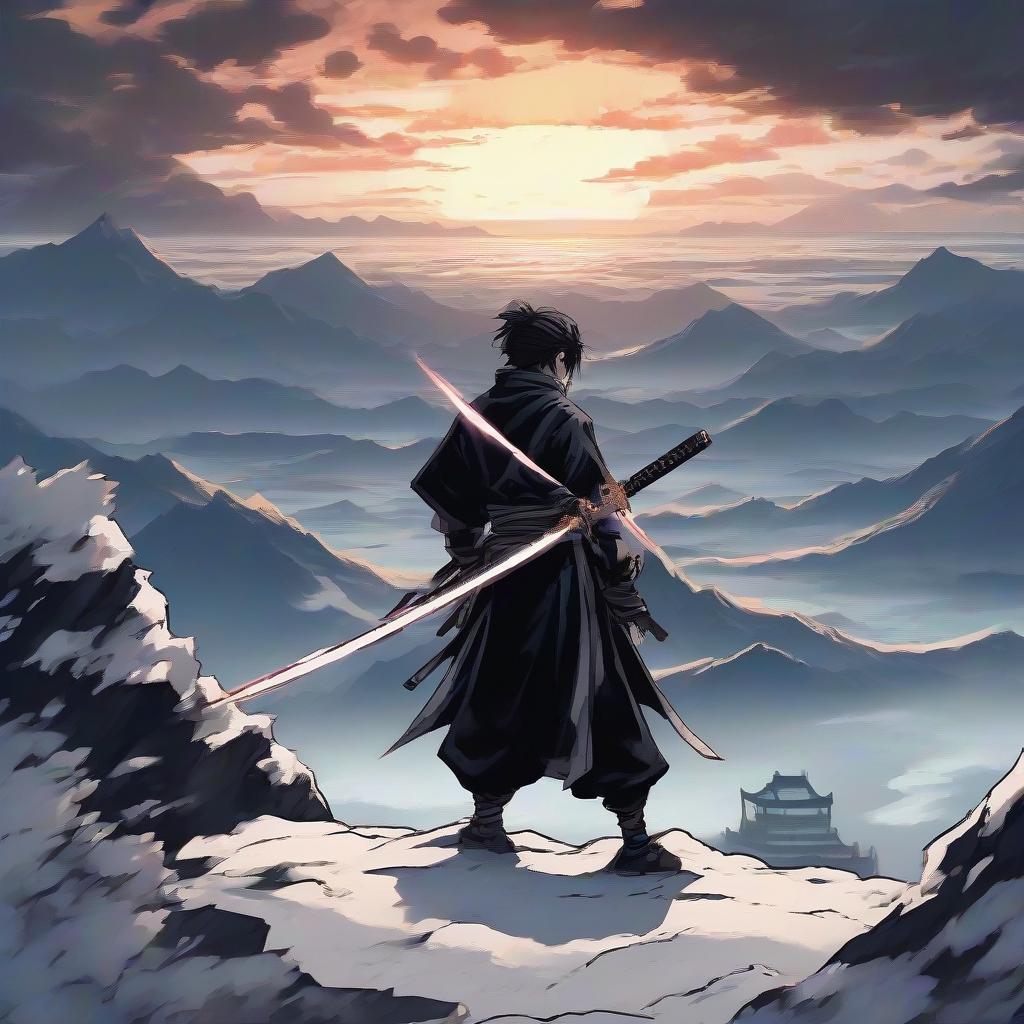
Rintarō's directorial genius shines brightest in Dagger of Kamui's presentation. The film boasts mood-enhancing music and visuals creating an almost hypnotic, ritualistic atmosphere. The musical score is a standout, powerfully underpinning the narrative and propelling the epic forward. Visually, the animation is a marvel of its time, entirely hand-drawn with meticulous care. Every sword fight is choreographed as a classic clash, and diverse environments—from snowy mountains to arid deserts—are rendered with striking precision. This commitment to artistic detail makes it incredibly hard to look away, securing the film's high grades in Animation (A), Art (A), and Music (A). It's a testament to the era's dedication to craft.
Narrative Ambition Meets Pacing Challenges
While undeniably epic, Dagger of Kamui's story, rich with "muchnesses," sometimes feels constrained by its movie format. The sheer volume of plot points and twists suggests a narrative better suited for a longer serial. This compression occasionally leads to rapid events and a reliance on significant coincidences, with one character reveal noted as stretching credibility.
Jiro, as a protagonist, is often criticized for his "personality of a plank," making it difficult to fully empathize with his relentless misfortunes—described as "unremitting misery." Tenkai, the antagonist, comes across as a one-dimensional villain: murderous, greedy, and gloating, ultimately making him "an absolute bore." Despite these character and pacing limitations, the film's ambitious historical backdrop and Rintarō's compelling visual storytelling largely compensate, keeping the journey interesting.
A Lasting Classic Worth Revisiting
Dagger of Kamui stands as a compelling piece of anime history. Its unique blend of Japanese samurai traditions with the American frontier provides a fascinating historical context, brought to life by Rintarō's epic directorial vision. The Blu-Ray release further enriches the experience, including a valuable conversation between Rintarō and anime historian Masahiro Hisaguchi, a delight for those interested in anime's cinematic heritage.
Despite its narrative flaws—rapid pacing, reliance on coincidence, and somewhat bland central characters—the film's breathtaking animation, powerful music, and grand vision make it an essential watch. It's a reminder of what made 80s and 90s anime so captivating and influential. Awarded an overall B+ grade, Dagger of Kamui is a flawed masterpiece that truly captures the spirit of an era and Rintarō's enduring legacy.