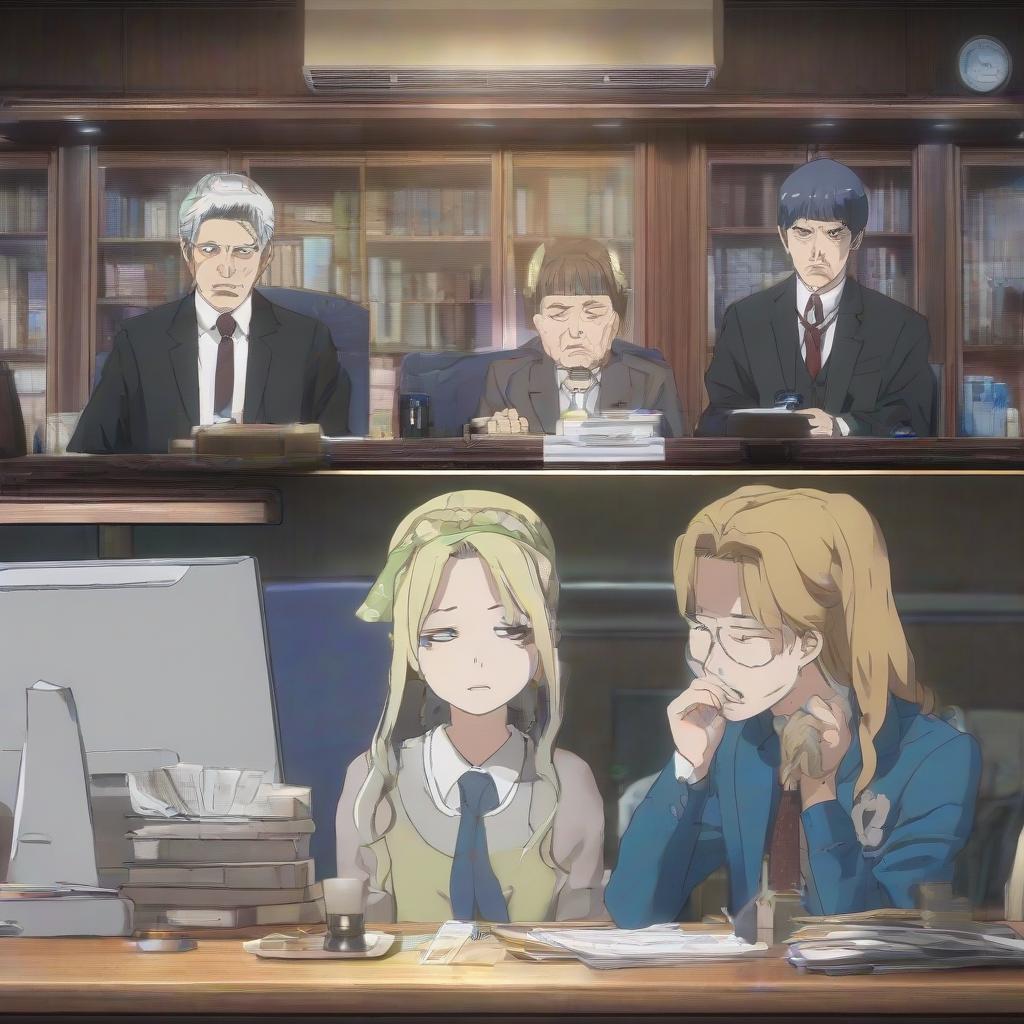
Dead Account Episode Nine A Deep Dive Into Disappointment
Recurring Flaws in Class Warfare
The ongoing struggle between the classes continues its second phase within this episode and the familiar, half finished methods from the previous installment resurface. The narrative finds itself mired in the same set of problems that plagued its immediate predecessor. It feels as though the production is recycling its less successful narrative and visual devices. This repetition contributes to a sense of stagnation rather than progress in the storyline. The expectation for improvement remains unmet as the episode unfolds with a predictable series of missteps.
Combat's Continued Decline
The fight sequences across the episode consistently fall short of any acceptable standard. They exhibit a noticeable lack of polish and dynamic execution. The visual representation of physical conflict appears unconvincing. Punching sounds particularly illustrate this deficiency, sounding less impactful than those from amateur game projects. The overall choreography and presentation of these confrontations fail to immerse the viewer or convey any genuine sense of stakes or power. Dialogue during these intense moments often devolves into simplistic, uninspired shouting which offers little in terms of character development or plot advancement.
Unoriginality and Borrowed Concepts
A significant question arises regarding the episode's originality. Following an obvious inspiration from a well known video game in the prior episode, this installment raises further concerns about unique content. The episode appears to draw heavily from another popular animated work, leading to a distinctly less engaging experience. The concept feels notably derivative lacking the energy and inventiveness of its presumed source material. This tendency to borrow without significant transformation undermines the show's potential for establishing its own identity.
Kiyomi's Fight and Its Problems
The conflict involving Kiyomi against a flirtatious opponent named Kusaba provides a clear example of the episode's narrative missteps. The conclusion of this particular bout features an explicit act of clothes tearing, complete with a character brandishing scissors. This scene highlights the episode's reliance on familiar tropes without adding fresh perspective. Throughout this engagement, flashbacks are inserted without clear purpose, disrupting the flow. The visual and auditory aspects of the physical blows exchanged between the two characters are remarkably poor further diminishing the combat’s credibility.
Flashback Overload and Misplaced Information
The combat segments do not improve in quality as the episode progresses; in fact they only become more perplexing. A flashback during Soji's fight with Dei reveals Soji seeking guidance from Azaki on phone less cyberkinesis. This particular flashback refers to events occurring immediately before the current grand confrontation with Dei's class. The timing of this revelation is problematic. Presenting this information during the training montage in an earlier episode, specifically episode seven, would have provided actual substance and context. Instead it appears as a poorly timed interruption reducing its effectiveness.
Soji's Uninspired Power Up
The training information from the flashback explains Soji's ability to channel cyberkinesis outward then redirect it inward for release elsewhere. The practical outcome of this complex explanation manifests as Soji simply firing energy from both arms instead of one. This minor alteration offers a negligible impact on his combat capabilities. Such a minimal power upgrade following a significant explanation highlights a disconnect between narrative build up and actual development. As Soji prepares to deliver a decisive blow to Dei, another intrusive flashback surfaces. This new flashback reveals Dei's enjoyment of being hated characterizing him as an individual who thrives on negative sentiment. This late revelation attempts to provide depth to Dei's character but feels forced and poorly integrated.
The Pervasive Issue of Flashbacks
The constant insertion of flashbacks severely detracts from the episode's coherence and pacing. Their sepia toned, grainy visual style creates an artificial sense of distance. These interruptions consistently break the flow of ongoing events. The most frustrating aspect remains their tendency to revisit moments that should have been depicted chronologically when they originally transpired. An example occurs during a fight between Kasubata and Minoru where a flashback shows something Henri did mere moments before the current fight. The sepia tone however inaccurately suggests these events happened much longer ago blurring the timeline. This persistent need to render present events in a past tense format is profoundly irritating. The show's storytelling choices consistently pull the viewer out of the present narrative.
The Lone Positive Note
Amidst the numerous criticisms, the episode's musical composition provides a notable exception. The overall score maintains a good quality. The string sections in particular deliver a rich and appealing sound. This auditory strength stands in contrast to the visual and narrative weaknesses prevalent throughout the episode. The music manages to create a degree of atmosphere that other elements fail to achieve.