Diving Deep into Ryu Kamio's "Stray": Chivalry, Crime, and Standing Up to Injustice
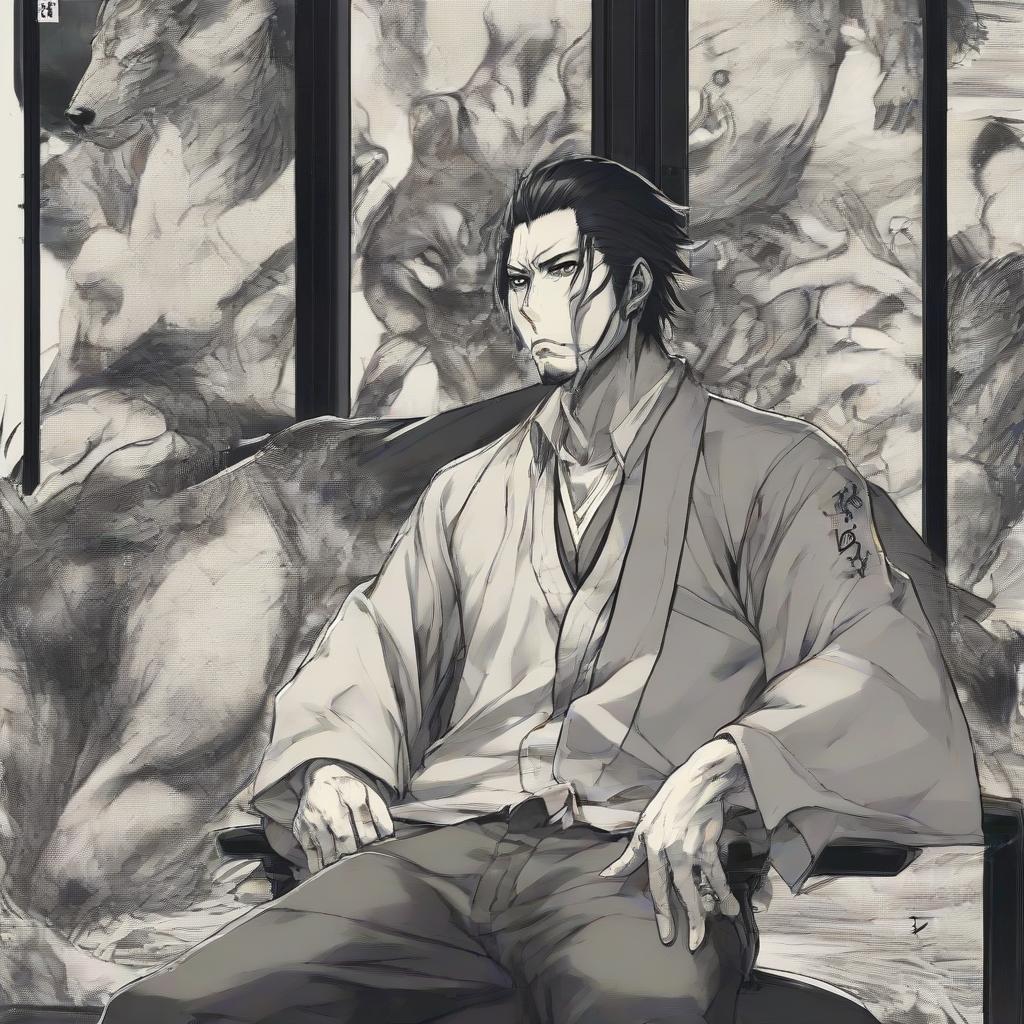
Ryu Kamio, in collaboration with artist Yu Nakahara, has delivered a gripping crime drama titled "Stray." The story centers on Hachiya Ken, recently released from prison after serving time for a crime he didn't commit. His past resurfaces in the form of Hana, a young girl, thrusting them into a criminal conspiracy and forcing them to confront their personal wounds. An interview with Kamio sheds light on the themes explored in "Stray," including the enduring appeal of the "chivalrous yakuza" trope and the importance of challenging injustice.
The Allure of the Chivalrous Yakuza
Kamio reflects on the historical popularity of "chivalrous gangster films" in Japanese cinema. These films often portrayed protagonists who, despite facing adversity, remained loyal and fought for those who showed them kindness, upholding their personal sense of justice. He believes that these characters resonated with audiences because they offered a refreshing contrast to the perceived oppressiveness of Japanese society, which often prioritized organizational logic over individual will.
However, Kamio notes the decline of "honorable yakuza" films in recent years. He attributes this to a growing trend of suppressing individual will in favor of collective conformity. Referencing the Japanese proverb "Bend to the will of the powerful," he describes an atmosphere, particularly amplified by social media, where people kowtow to those in power and critical voices are silenced.
To symbolize this societal dynamic, Kamio chose a former yakuza member as his protagonist. Ken, despite possessing his own sense of justice, finds his will suppressed by those with greater power, making him a true "outcast." Kamio wanted to explore how such a character might break free from this oppressive atmosphere and fight back. He clarifies that he is not glorifying the yakuza but rather using it as a symbol of societal marginalization.
Hana: A Compass and Driving Force
Hana's role in the story is central to its themes. Kamio describes her as symbolizing an innocent being worthy of protection. Her innocence allows her to keenly sense the oppressive atmosphere of society, leading her to speak and act with sharp insight into its contradictions. Through his interactions with Hana, Ken rediscovers the loneliness he felt as a child and the principles instilled in him by his former gang boss: "Never bully the weak" and "Never resort to cowardly acts."
These principles guide Ken's actions as he protects Hana and acts according to his own sense of justice. Kamio emphasizes that Hana is the focal point of the work, unwavering in her beliefs and refusing to yield to violence despite her powerlessness. She is described as the compass and driving force of the story, far more than just a nine-year-old girl, but rather one of Kamio's most powerful characters.
Yakuza vs. Corrupt Politics
Kamio draws parallels between the hierarchical structure of the yakuza and the dynamics of corrupt politics. He points out the saying "If the boss says white, even black becomes white," which encapsulates the absolute hierarchy within Japanese organized crime. He argues that a similar dynamic exists in the political sphere and within corporate organizations, where those who amass followers sharing their views wield power as de facto leaders.
This environment fosters peer pressure, suppressing dissenting opinions and creating a culture of yes-men, ultimately leading to corruption. Kamio expresses his aspiration to always be the "child who shouts, 'The emperor has no clothes!'"
Second Chances and Inspiring Readers
Ken is not Kamio's first protagonist to emerge from prison. Hatogaya from "Last Inning" also faced wrongful imprisonment. Kamio explains that he is drawn to stories about people getting second chances because he believes many Japanese people harbor an extreme fear of failure. This fear stems from a deep-seated belief that a single misstep can prevent one from ever recovering. He contrasts this with characters who confront adversity and persist despite repeated failures, hoping to inspire readers through their resilience.
Connections to "Last Inning"
The epilogue of "Stray" hints at a connection to Kamio's previous work, "Last Inning." Kamio explains that he considers Yu Nakahara an exceptional partner and wanted to incorporate elements beyond baseball when creating a new work with him. This led to the creation of a man living in the underworld who risks his life to rescue a star professional baseball player facing dire straits.
This motivation stems from a sense of obligation to the star player, who was once his rival. He feels compelled to repay this debt, even if it means being hunted by the organization and becoming an outcast. Kamio expresses pride in the narrative structure, believing it to be unprecedented in baseball manga.
Family, Abandonment, and Found Bonds
Both Hana and Ken share a history of abandonment, with Hana being sent to a group home and Ken being taken in by the yakuza. Kamio explores the theme of abandoning children within the broader context of the story. He emphasizes his belief in individual independence, while also recognizing the human need for belonging.
While family should be the most secure place, neither Hana nor Ken experienced that. The story depicts two lonely souls, devoid of family, who initially clash but gradually recognize their mutual need, eventually forging a new, quasi-family bond.
Fists vs. Weapons: Ken's Old-Fashioned Justice
Ken's preference for fighting with his fists rather than using weapons like guns is a defining characteristic. Kamio suggests that this stems from Ken's fundamental seriousness and his adherence to the teachings of his former boss. These teachings emphasized avoiding underhanded tactics and settling fights with one's fists.
This earnestness is why he ended up beating his senior member to death due to a misunderstanding and why he flies into a rage when Hana is abducted. For Ken, fists represent justice, and he despises those who resort to weapons and power to oppress others.
A Message of Courage and Defiance
Kamio hopes readers will take away a message of courage from Ken's journey. He has no patience for those who blindly submit to authority. If one senses that a group is heading in the wrong direction, they should have the courage to speak out.
Ken and Hana gain this courage throughout the story, confronting those in power. Even characters like the black market doctor, the police officer Momoka, and Inukai, who served as an assassin, ultimately defy the established order. Through their actions, Kamio hopes readers will also find the courage to declare, "What's wrong is wrong," and "The emperor has no clothes."
Inspirations and Influences
When asked about specific inspirations for the story, Kamio mentions his fondness for old films. While there is no direct reference, he suggests that the premise of a man being manipulated by a little girl may have been influenced by Peter Bogdanovich's "Paper Moon" (1973). He notes the coincidental similarity in age, with the girl in that film, played by Tatum O'Neill, also being nine years old like Hana.
A Final Message to Readers
Kamio expresses his deep emotion at the story, born from his mind and brought to life by Nakahara's artwork, has spread beyond Japan to reach a global audience. He sincerely hopes that the story will resonate with readers and remain in their hearts for years to come.