Code Vein II Game Review
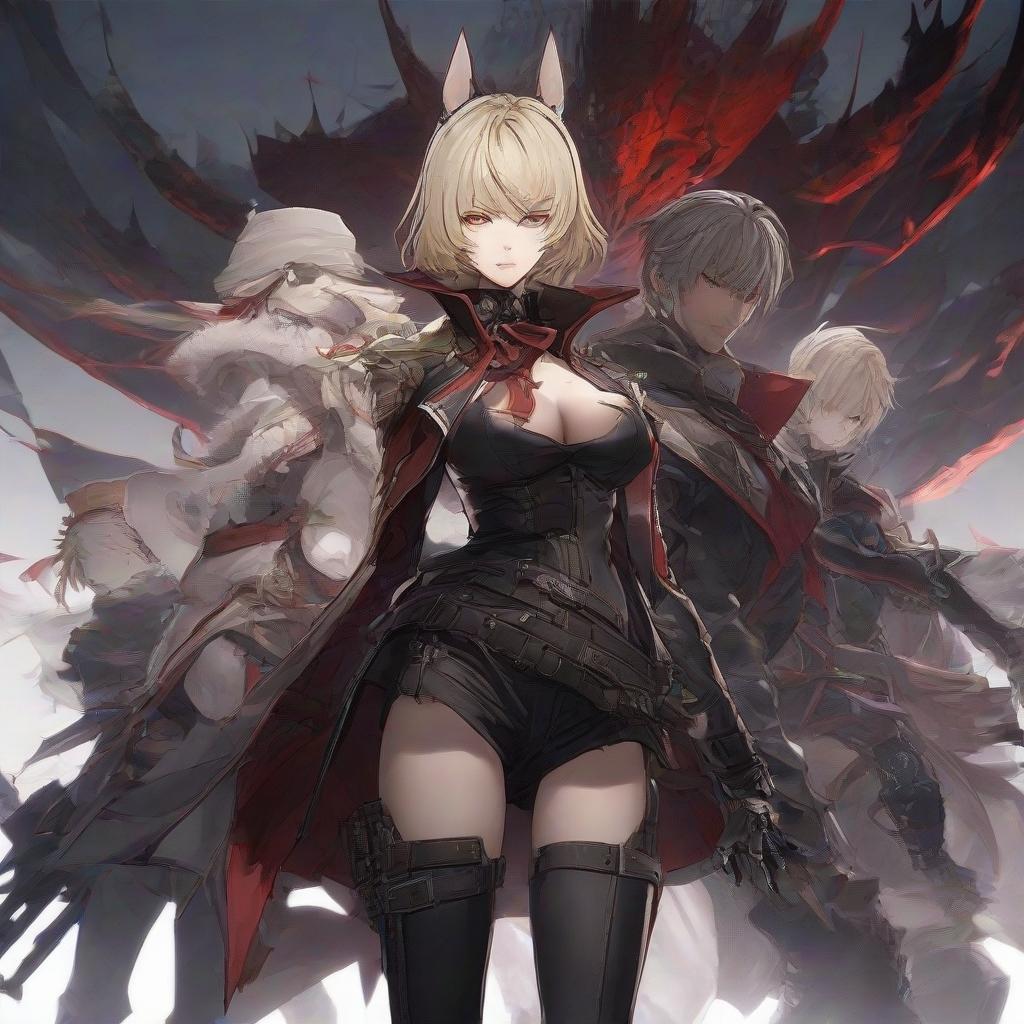
Code Vein II: Anime Elden Ring Takes a Bite Out of Time
Code Vein, released in 2019, carved its own niche within the Soulslike genre. It took the established Dark Souls formula and infused it with a vibrant anime aesthetic and a stronger emphasis on narrative and character development. If the original was "Anime Dark Souls," then Code Vein II confidently steps into the role of "Anime Elden Ring," offering a familiar yet distinct experience.
Familiar Foundations, Fresh Coat of Paint
At its core, Code Vein II operates on the same principles as its Soulsborne predecessors. Death carries a penalty – the loss of "Haze," the game's currency for leveling and purchasing items. Combat revolves around strategic use of weak and strong attacks, weapons with varying stats and elements, and the constant need to adapt to enemy patterns. Many familiar elements are present, albeit with different names. "Ashes of War" and "Spells" become "Forma," "FP" is rebranded as "Lichor," and "Sites of Grace" transform into "Mistle."
The game world is structured as a vast map divided into distinct open-world zones, each housing a sprawling central dungeon, smaller side dungeons, and a multitude of items and enemies scattered across the landscape. These zones boast unique biomes, ranging from a submerged city and a prison island to a haunted forest and an extensive mining operation. Players can traverse these environments on foot or by motorcycle, culminating in a challenging boss encounter upon completion of each area.
Unique Mechanics and Character Progression
While drawing heavily from the Elden Ring blueprint, Code Vein II introduces its own twists to the formula. The weapon system allows for the customization of each weapon with up to four skills or spells, creating strategic depth to combat.
The leveling system also receives a significant overhaul. While Haze is used to increase character level, the primary impact is on survivability, with HP being the main beneficiary. Attack power relies on "Blood Codes." These codes grant stat allocations and determine which weapons can be used at optimal efficiency.
The Blood Code System: A Dynamic Approach to Builds
Blood Codes are acquired through various means: befriending Revenants, defeating bosses, and mastering existing Blood Codes. Mastering grants not only a stronger version of the Code but also a "Booster," akin to a talisman or accessory, enhancing attributes, resistances, weapon proficiency, or magic power.
The Blood Code system also functions as a soft level cap for each zone. The grade of each Blood Code determines the level of enemies needed to effectively master it, ensuring players remain appropriately challenged throughout their journey. Shrines offering stat and resistance buffs further enhance character progression, while merchants provide access to essential items, skills, and upgrade materials.
Companions and the Time-Traveling Narrative
Players can team up with NPC partners who offer both combat support and strategic advantages. These companions can fight alongside the player or merge to provide stat boosts. They also serve as a safety net, reviving the player at the cost of their own life. The narrative framework involves time travel, where the player journeys into the past to befriend the heroes and then must confront them in the present.
The game presents two versions of the world map: the present, where areas are often inaccessible, and the past, where players can revisit zones after completing the main story. The landscapes and enemy types differ between these timelines, adding depth to exploration. The interactive map features topographical lines, highlighting elevation changes and key locations. Dungeons, entrances, and important items are clearly marked for easy navigation.
Story and Emotional Impact
Code Vein II sets itself apart from its contemporaries through its emphasis on story and character development. Rather than simply defeating bosses, players travel to the past and forge meaningful connections with them. By helping them overcome their struggles, players unlock the key to releasing the heroes from their cocoons.
This narrative approach adds a layer of emotional complexity to the gameplay. Players spend significant time with each main boss, learning about their motivations and the sacrifices they made to become heroes. This creates a sense of empathy, making their eventual defeat a bittersweet experience.
The game explores the ethical dilemmas of time travel. While the primary objective is to save the world, the temptation to alter the past and alleviate suffering presents a moral conflict. Players must choose between pragmatic solutions and the potential consequences of tampering with the timeline.
Imperfections and Glitches
Despite its strengths, Code Vein II is not without its flaws. The enemy variety is limited, with the same basic enemies appearing throughout the game. Bosses and late-game enemies sometimes possess combos that are difficult to dodge, particularly when encountered in groups.
Some boss arenas are restrictive, causing players to become stuck in corners or on uneven terrain. NPC partners can also encounter pathfinding issues, requiring manual merging to overcome obstacles.
One of the most significant problems encountered during the pre-release version was a glitch related to controller mapping. The interact button would interfere with memory sequences, forcing players to reset and remap their controls repeatedly.
Graphics and Audio
The game's graphics are generally good, with visually distinct and creatively designed environments. The character creator is impressive, offering a wide range of customization options. However, clipping issues can occur, where hair and accessories intersect with clothing.
Draw distance is another area of concern, with noticeable pop-in of distant objects and enemies. The music is a highlight, with an orchestral score that complements the game's fantasy setting. The boss themes and in-memory themes are particularly memorable, creating a powerful atmosphere.
Final Verdict
Code Vein II offers a satisfying Soulslike experience with its unique blend of anime aesthetics, time-travel narrative, and character-driven storytelling. While some aspects of the gameplay may lack polish, the engaging plot, tragic characters, and ethical dilemmas more than compensate for any technical issues. If you enjoy Soulslike games and are drawn to the idea of time-traveling post-apocalyptic vampires, Code Vein II is well worth your time. Previous knowledge of the first game is not required, as the two are largely unrelated.
Grade:
- Overall: B+
- Graphics: B+
- Sound/Music: A-
- Gameplay: B
Pros:
- Post-apocalyptic time-traveling vampires.
- Compelling ethical dilemma.
Cons:
- Over-reused enemies and bosses.
- Visual pop-in issues.
- Graphical clipping problems.


