The Camphorwood Custodian: An Anime Film Review
A Visual Feast with a Compelling Performance
When approaching any film, the narrative takes precedence. Irrespective of visuals or camerawork, an engaging story can compensate for other shortcomings. However, "The Camphorwood Custodian" challenged this notion. The art style, especially the establishing shots of the fictional Tsukigo shrine and Tokyo, coupled with Yuki Amami's commanding performance, redefined my priorities. The story was captivating, but these two elements left a lasting impression.
Inspired Art and Serviceable Animation
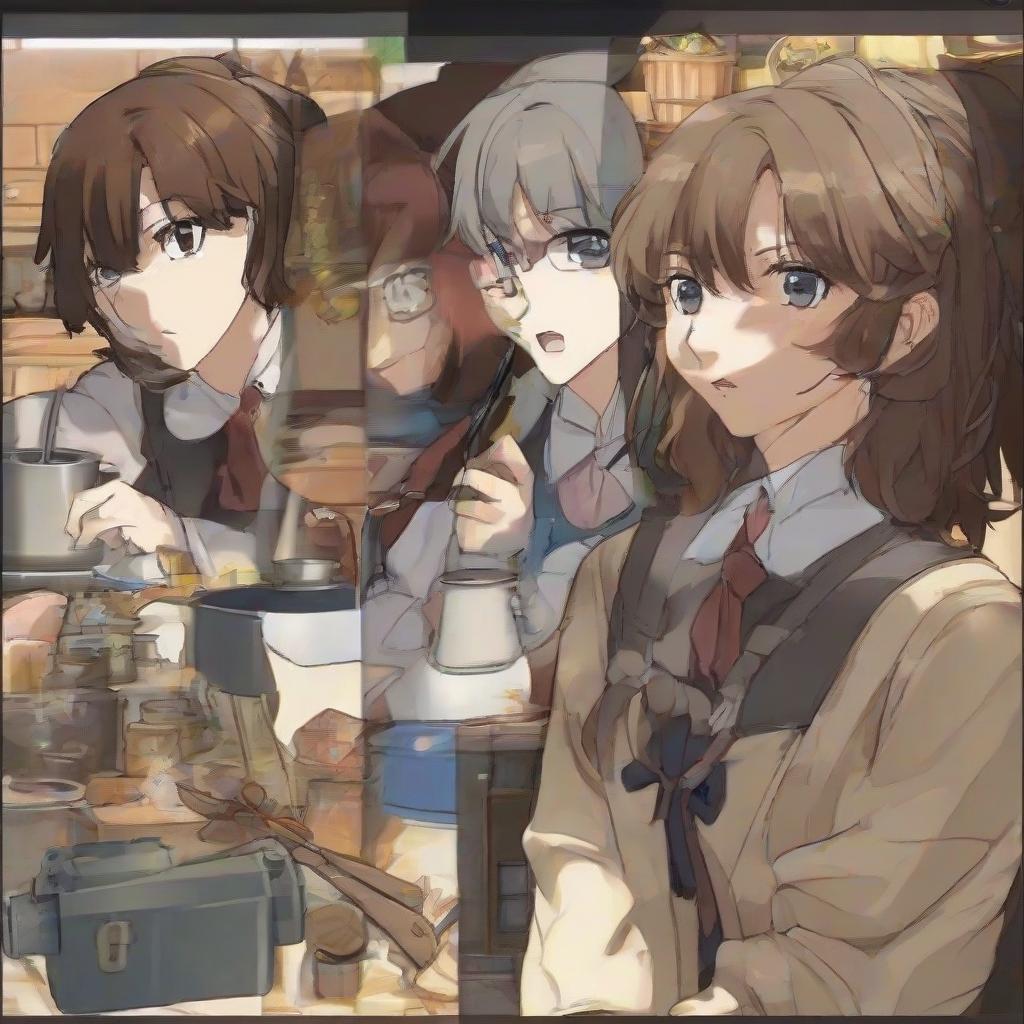
The art in "The Camphorwood Custodian" is more than just aesthetically pleasing. The establishing shots of both Tsukigo shrine and metropolitan Tokyo exude a sense of whimsy. The artwork is reminiscent of Studio Ghibli films like "My Neighbor Totoro" and "Whisper of the Heart." There were moments of sheer awe at the visual presentation.
The animation, on the other hand, is adequate but not exceptional. It conveys the scenes effectively and immerses viewers in the film's events. Near the end, some brilliantly animated scenes showcase the story's fantastical aspects. However, these moments are offset by stiff camerawork and close-up shots that push the animation's limits. Some panning shots feel choppy and disrupt the tension in certain scenes. Similarly, the close-up shots sometimes appear as if the image has been blown up, potentially due to viewing the film on a large screen.
A Dissonant Score
A similar contrast can be observed in the film's score. The musical pieces are unobtrusive, but the score accompanying the Camphorwood tree is eerie, especially in the film's first half. Surprisingly, this unsettling music enhances the opening, suggesting the importance of the tree and its surrounding myths.
One musical piece, however, is disappointing. While well-composed and performed, it would have been more effective if left to the audience's imagination. However, considering its use during the narrative climax to evoke emotional responses from the characters and the audience, the decision to include it is understandable.
Amami's Show-Stealing Performance
Among the film's highlights is Yuki Amami's commanding performance as Chifune. She steals the spotlight, showcasing her experience as an established actor with voice acting roles. Amami portrays Chifune's confidence with elegance and power, captivating the audience. As the film progresses, she reveals a vulnerability that contrasts with the character's initial persona. Her performance surpasses even Takehito Koyasu's portrayal of Masakazu Yanagisawa and Shigeru Chiba's role as Iikura.
Concurrent Stories
While the film appears to be a straightforward story of Reito Naoi becoming the Camphorwood Custodian and forming connections with others, it presents four concurrent stories centered around the Tsukigo shrine's Camphorwood tree. Each story explores the tree's supposed wish-granting abilities from different perspectives.
These perspectives include Reito's discovery of why people visit the tree during New and Full Moons, Yumi Saji and her father Toshiaki Saji's story about Toshiaki's monthly visits to the shrine, Soki Oba and his connection with his father Toichiro Oba, and the relationship between Chifune and Reito. Because these stories run simultaneously, there is a slight disconnect between them. Although the Sajis, Obas, and Chifune's involvement in high society helps mitigate this, viewers must remind themselves of the importance of each story. Thankfully, the resolutions of these stories make the effort worthwhile.
Addressing Dementia
It is important to note that "The Camphorwood Custodian" touches on individuals diagnosed with dementia. This creates an intriguing plot point, especially with Yumi's grandmother. However, the foreshadowing with a different character adds to the film's compelling narrative. Unfortunately, the film focuses primarily on memory loss, rather than other symptoms of dementia, such as aggression towards caregivers. Incorporating these symptoms would have enhanced the story and the mystery surrounding the Camphorwood tree.
A Narrative Misstep
One aspect of the story is telling the audience outright why people visit the Camphorwood tree during New and Full Moons. The characters don't discover the reason, and viewers aren't given the opportunity to connect the dots. It's as if the film pauses to directly address the audience, breaking engagement with the story. While this may have been necessary due to the constraints of a feature-length film, it remains a frustrating narrative choice.
Final Thoughts
Despite minor issues, "The Camphorwood Custodian" is an enjoyable film. It's not a lighthearted watch but rather a film that invites viewers to fully immerse themselves in its offerings.