Manga Localization's Hidden Crisis: Freelancer Pay
The American Manga Awards in August 2026 became a pivotal moment for the unsung heroes of the manga industry: its freelance localization professionals. Veteran translator Jan Mitsuko Cash, accepting her award for Yuzuko Hoshimi's MAGICA, boldly called on publishers to "Please double your rates." Her speech illuminated the harsh realities faced by translators, editors, letterers, and proofreaders who perform the heavy lifting for major players like Viz Media, Yen Press, and Seven Seas Entertainment, yet endure unsustainable working conditions.
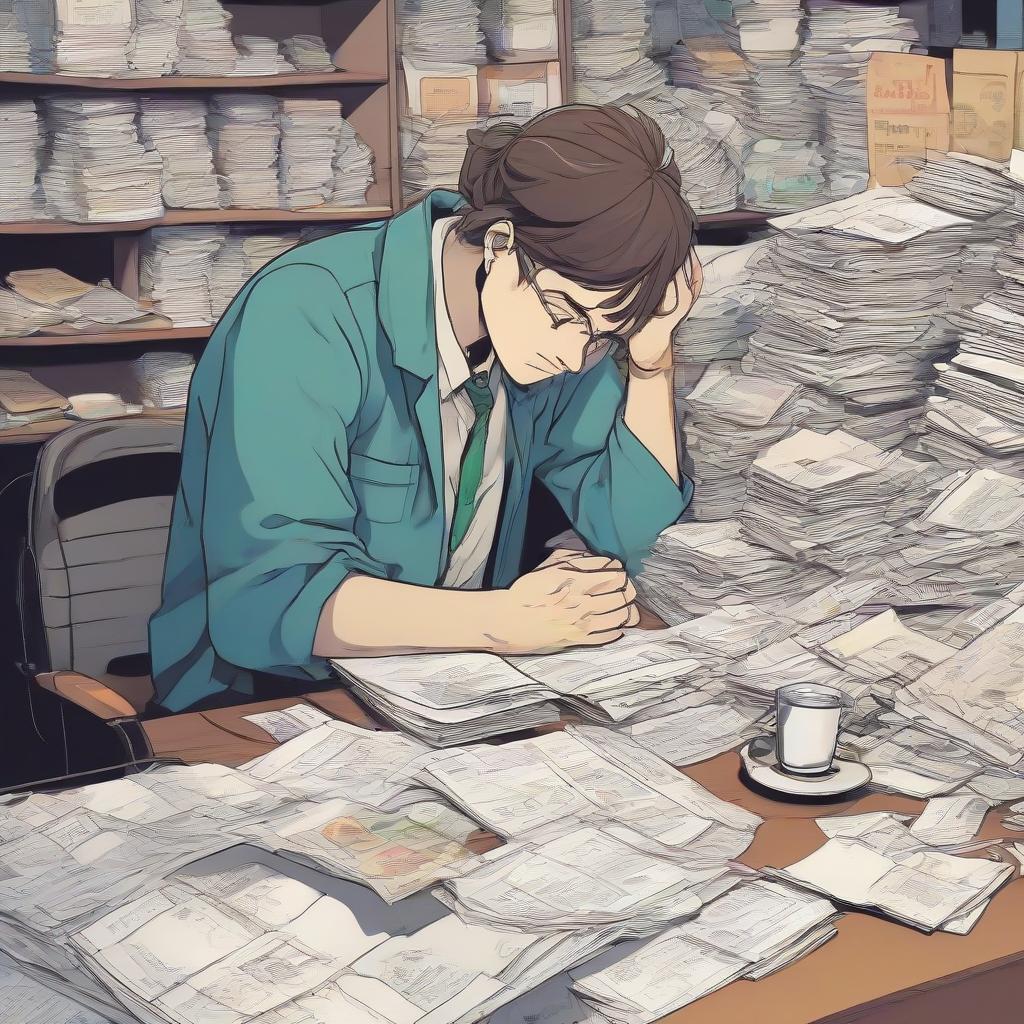
Cash’s message resonated deeply. She described prolific freelancers suffering online harassment, working grueling 90-100 hour weeks, lacking basic health insurance and retirement, developing occupational illnesses, and living paycheck-to-paycheck. "If I have a stroke or die from overwork," Cash stated, "the outcome would be the same. The books would be reassigned." This pervasive feeling of expendability underscores the urgent need for systemic change.
Stagnant Rates and Healthcare Hurdles
The core problem is inadequate compensation, with rates for localization work remaining stagnant for two decades. Anonymous surveys reveal average manga translation rates at US$6 per page (US$9 for simulpubs, but as low as US$1 from agencies). Full manga volumes often pay US$1000-US$1300. Light novel translators see US$10-US$18 per page, but also encounter "insultingly low" character rates. Editors' pay varies wildly, as do letterers', who average US$3 a page.
"Any year without a universal pay bump—which is most—is a year when I'm effectively getting a pay cut, because of inflation," noted one veteran. This financial strain is compounded by the American healthcare system. Freelancers must cover their own health insurance, a massive burden. Many rely on a spouse's benefits, family support, or Medicaid, which imposes strict income caps. In stark contrast, professionals in Japan or Canada benefit from nationalized healthcare, easing a major stressor. A California translator, for instance, needs to complete 3-4 manga volumes monthly just to cover basic living expenses (around US$40,000 annually), which falls well below a living wage in major cities.
Burnout, Inefficient Workflows, and AI
The drive to make ends meet forces freelancers into unhealthy work patterns. Juggling multiple clients leads to frequent 90-100 hour work weeks, especially during peak seasons. This causes severe burnout, with some forced to quit projects, only to see their work reassigned without addressing the root issues. Fear of losing future opportunities prevents much-needed time off.
Workflows also need improvement. Letterers are hampered by the persistent lack of layered files (separate art and text). Professionals confirm that receiving layered Photoshop files could cut work time in half. This inefficiency stems from Japanese publishers' preference for being the sole point of contact with Western licensees, creating barriers to direct communication that could streamline the entire process.
Adding to anxieties is the growing push for machine translation and AI. Freelancers fear for their livelihoods as major companies explore AI solutions. Many translators find cleaning up machine translation a "fool's errand," often requiring retranslation without extra pay. The idea that AI can provide "quick-and-dirty" translations to combat piracy is met with skepticism; poor quality work will not be paid for.
A Glimmer of Hope from Indies
Despite these daunting challenges, a ray of hope emerges from fledgling independent publishers. Companies like Kodama Tales, Manga Mavericks, and Omoi are actively working to improve conditions. Kodama Tales pays US$8 per page for translation and lettering, credits freelancers on book jackets, and builds sustainable schedules. Manga Mavericks emphasizes transparency and openness to higher compensation. Omoi commits to above-average rates and production-first scheduling. These companies also prioritize providing layered files whenever possible.
These independent efforts, though small, highlight a crucial truth: freelancers are the foundation of the manga localization industry. Their passion is evident, but it cannot substitute for fair wages, healthcare, and respect. It's time for all publishers to heed the call for change, double rates, reassess practices, and build a sustainable future for the professionals who bring beloved manga to a global audience.