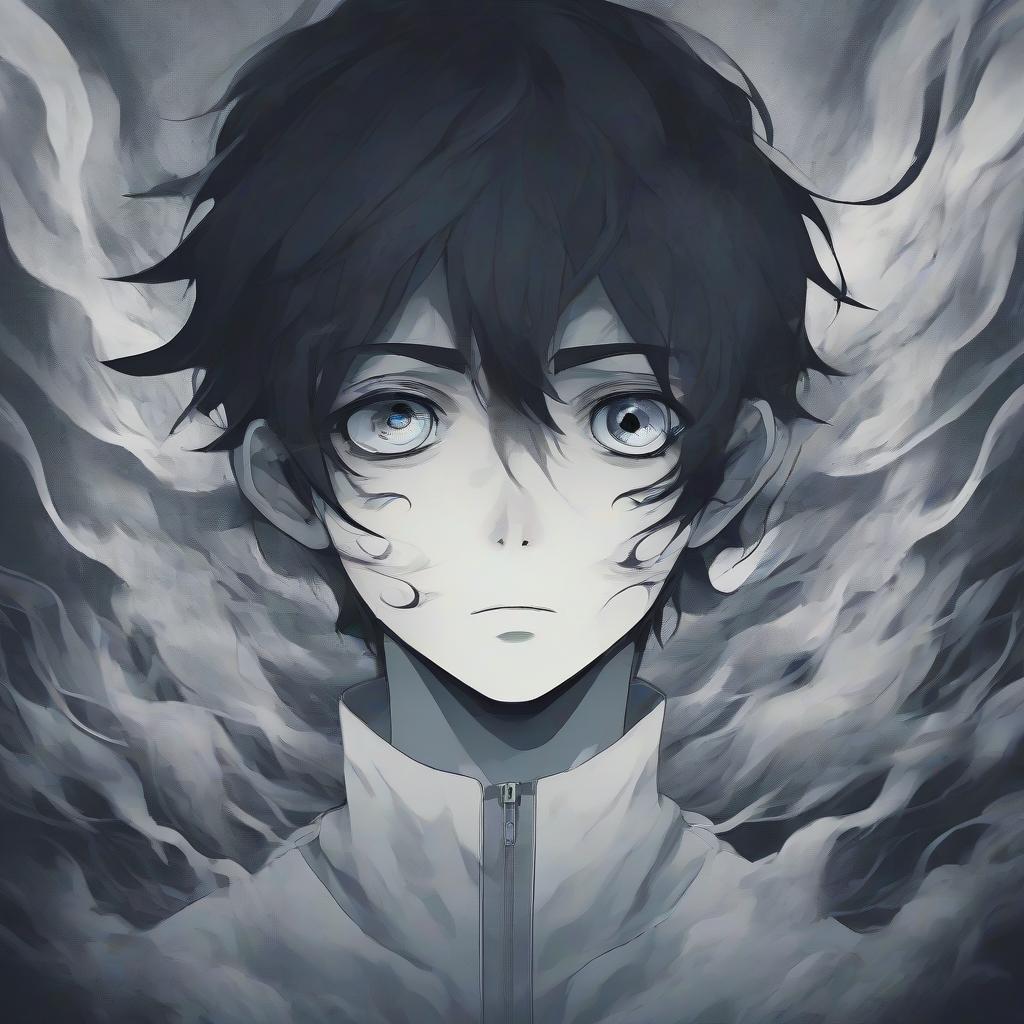
Junji Ito Strange Live-Action: Director's Vision
Junji Ito's name evokes a unique brand of unsettling, grotesque, and often absurd horror. Adapting his iconic manga into live-action is a formidable challenge, yet director Yuta Shimotsu has successfully done so with Strange: Junji Ito's Tales for Sleepless Nights, now streaming on HBO Max. Shimotsu recently shared his profound understanding of Ito's terror, revealing the influences and meticulous process behind bringing these chilling narratives to life.
Crafting Unsettling Atmospheres
Shimotsu emphasizes that the most crucial aspect of adapting Junji Ito is authentically building his distinctive world. The series deliberately minimizes jump scares, favoring a pervasive sense of dread. This is achieved through masterful cinematography, employing extreme close-up shots that intensify discomfort. Scenes like the boiling pot and cabbage chopping in "The Bully" demonstrate how mundane actions become terrifying, escalating tension without explicit horror.
Sound design is equally critical. Music, silence, and natural sounds all build suspense. In "The Bully," the haunting toy piano melody underscores the protagonist's arrested development. Awkward silences amplify the eerie atmosphere, immersing viewers in psychological torment. For "Lovesickness," a deliberate slow-motion blood splatter pushed broadcast limits, serving as an emblematic scene for a powerful, unforgettable impression when a character faces a curse's direct consequence.
Influences and Inspirations
Shimotsu draws inspiration from diverse horror masters. He admires Jordan Peele and M. Night Shyamalan, having recently met Shyamalan to discuss their craft. Shimotsu holds Shyamalan's The Sixth Sense, Old, and Trap in high regard. He credits Stranger Things for establishing a new direction for horror television, influencing his episodic approach. He also praises Yorgos Lanthimos's Poor Things for its unique balance of art, entertainment, and horror. His personal top horror movies include Peele's Get Out for its social themes and Shyamalan's The Sixth Sense for its poignant twist.
The Art of Manga Adaptation
Adapting manga into live-action is notoriously difficult. Shimotsu's process involves reinterpreting and rebuilding the source material, a task greatly aided by Junji Ito's remarkable openness to new creative ideas. Shimotsu recounts feeling immense pressure before meeting Ito, only to discover the master of madness was a true gentleman, a surprising contrast to his terrifying creations.
The production team meticulously mirrored Ito's iconic visuals. Shimotsu reveals they often filmed with an iPad displaying manga panels on set, striving for exact replication in certain shots. The unsettling beauty of the cursed boy in "Lovesickness" was precisely cast, with the actor challenged to avoid blinking to enhance his eerie gaze. Specific shots, like the final scene in "The Bully" and a motion from "The Rib Woman," were direct homages to Ito's original artwork.
Diving into Ito's Narratives
Shimotsu approached each story with specific directorial intentions. "Lovesickness" was crafted to maximize the impact of the protagonist's first close encounter with a victim. "The Bully," a standout for its non-supernatural horror, explores deep psychological wounds. Shimotsu added a detail not in the original: protagonist Kuriko's troubled home life, explaining her arrested development. The ending is deliberately open-ended, portraying grand revenge contrasted with unresolved childhood trauma. Shimotsu suggests a lighter interpretation, that the boy "might be happily playing with his mother in the park," emphasizing ambiguity. He notes that while he favors supernatural horror for its boundless freedom, the blurred lines between reality and fiction in other horror forms are equally captivating.
Junji Ito's Enduring Appeal
Shimotsu himself is a fan, listing Uzumaki, Gyo, and "The Hanging Balloons" as his top three Ito stories. He highlights Ito's ability to combine striking visuals with thought-provoking themes as the core of his popularity. For aspiring adaptors, Shimotsu advises satisfying original fans while pushing the source material further in live-action.
With twelve episodes, Strange: Junji Ito's Tales for Sleepless Nights offers a rich tapestry of horror, inviting viewers to experience Junji Ito's terrifying imagination through a new lens. Shimotsu's thoughtful approach ensures these tales resonate deeply, honoring the original while forging new paths in live-action horror.