Forsaken Saintess: A Culinary Isekai Missed Opportunity
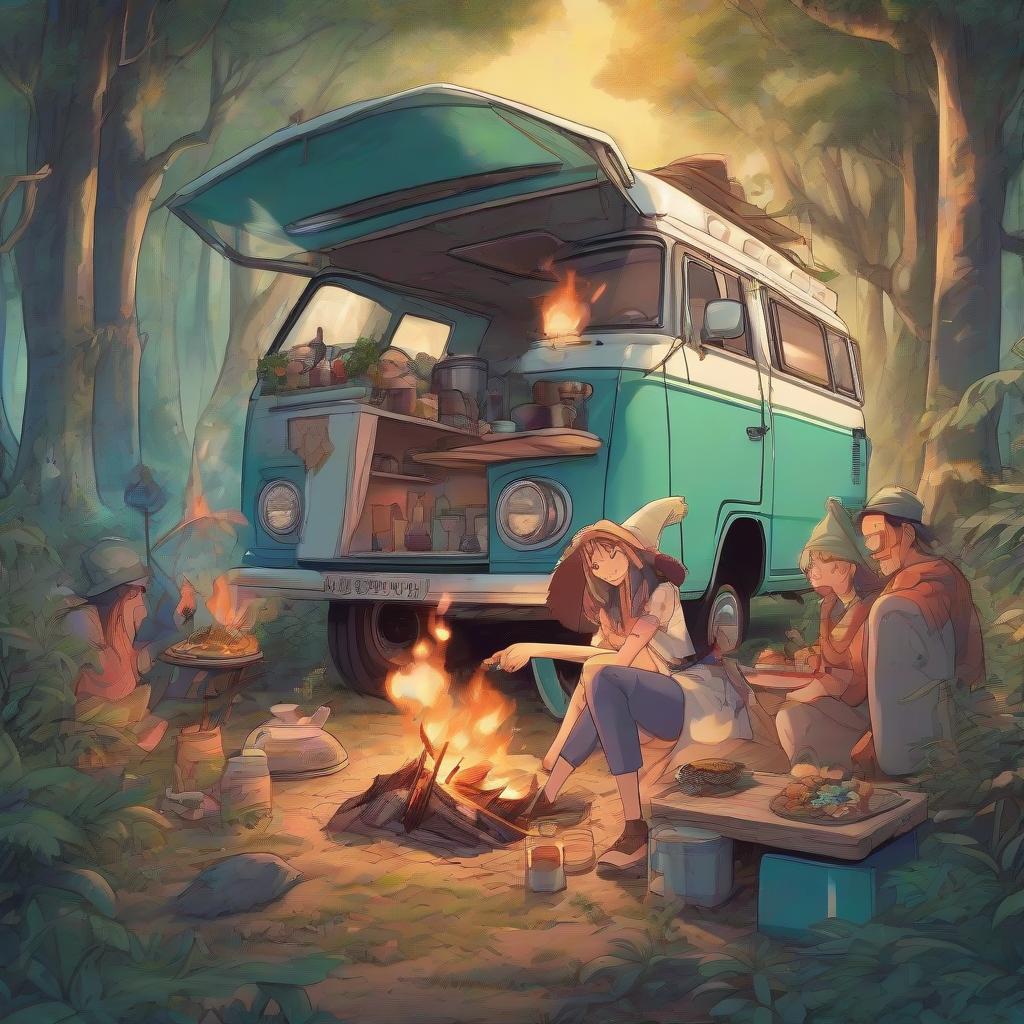
"The Forsaken Saintess and Her Foodie Roadtrip in Another World" offers a tempting blend of isekai adventure and cozy, food-centric storytelling. Rin Takanashi, a dedicated camping and fishing enthusiast, finds herself abruptly summoned to a new world, camper van and all. Dismissed as a "saintess" due to her unconventional powers—summoning her magically enhanced van and discerning tasty or dangerous items—Rin adapts by embracing a prolonged camping trip in her new reality. Her unique abilities set the stage for a promising premise, particularly once she joins the adventuring party, Smorgasbord, as their cook and driver.
The Van, The Food, and The Divergence
The series truly shines in its depiction of Rin's culinary talents. With her magically self-cleaning and restocking camper van, Rin introduces her new companions to a delightful array of Japanese dishes. From the nuanced flavors of miso and tempura to the simple pleasures of mayonnaise and tartar sauce, these food-focused moments are the heart of "The Forsaken Saintess." Watching Rin teach her friends to appreciate vegetables and diverse cooking techniques creates the warm, "iyashikei" atmosphere the title suggests. This aspect of a foodie roadtrip, exploring a new world through its ingredients and shared meals, is where the show is at its most engaging and successful.
However, the narrative struggles to maintain this charming focus. As the story progresses, it increasingly incorporates traditional isekai plot elements, such as political intrigue involving a powerful brother and an unexplained surge in monster activity. A significant plot twist in episode ten, intended to provide depth, instead feels like a forced intrusion. These attempts to inject conventional fantasy action ultimately derail the series' initial cozy appeal. The show appears uncertain of its identity, failing to fully commit to either a relaxing food fantasy or a compelling action-adventure. This genre indecision results in a less impactful experience overall, leaving both aspects feeling underdeveloped.
Uneven Worldbuilding and Character Notes
The worldbuilding in "The Forsaken Saintess" exhibits a blend of convenience and inconsistency. Rin navigates wide, well-maintained roads in a fantasy realm, yet creature names fluctuate between the fantastical "baby ploop" and the mundane "giant bats." This casual approach to consistency can break immersion. However, there are flashes of unique character design, such as Xenon, the elven priest who defies lore by not being a vegetarian. Subtle hints of attraction between Rin and Aria, alongside Aria's husband Ed's devotion, provide a rare glimpse into romance. Visually, the beastfolk designs are a strong point, with the kobold receptionist Sheila being particularly memorable. Conversely, the flying cat Gomamiso is often depicted off-model, and the visual gag of killed animals neatly transforming into butcher's-paper-wrapped ingredients, while amusing, can feel out of place.
Visuals and Final Thoughts
The art and animation are generally serviceable, striving to make the food look appetizing, though with mixed success. Human characters largely remain on-model, contributing to a stable visual experience. Despite some minor visual inconsistencies and a occasionally grating voice performance for Gomamiso, the production quality is adequate.
In conclusion, "The Forsaken Saintess and Her Foodie Roadtrip in Another World" is a series with a great concept that struggles in execution. While its cozy, food-centric moments provide enjoyable viewing, its attempts to integrate a more conventional isekai plot ultimately dilute its charm. It's a watchable but ultimately forgettable anime, failing to fully commit to either of its promising halves. Viewers hoping for a focused foodie adventure might find themselves wishing for more, while those seeking a robust fantasy saga will likely find its action elements underwhelming.