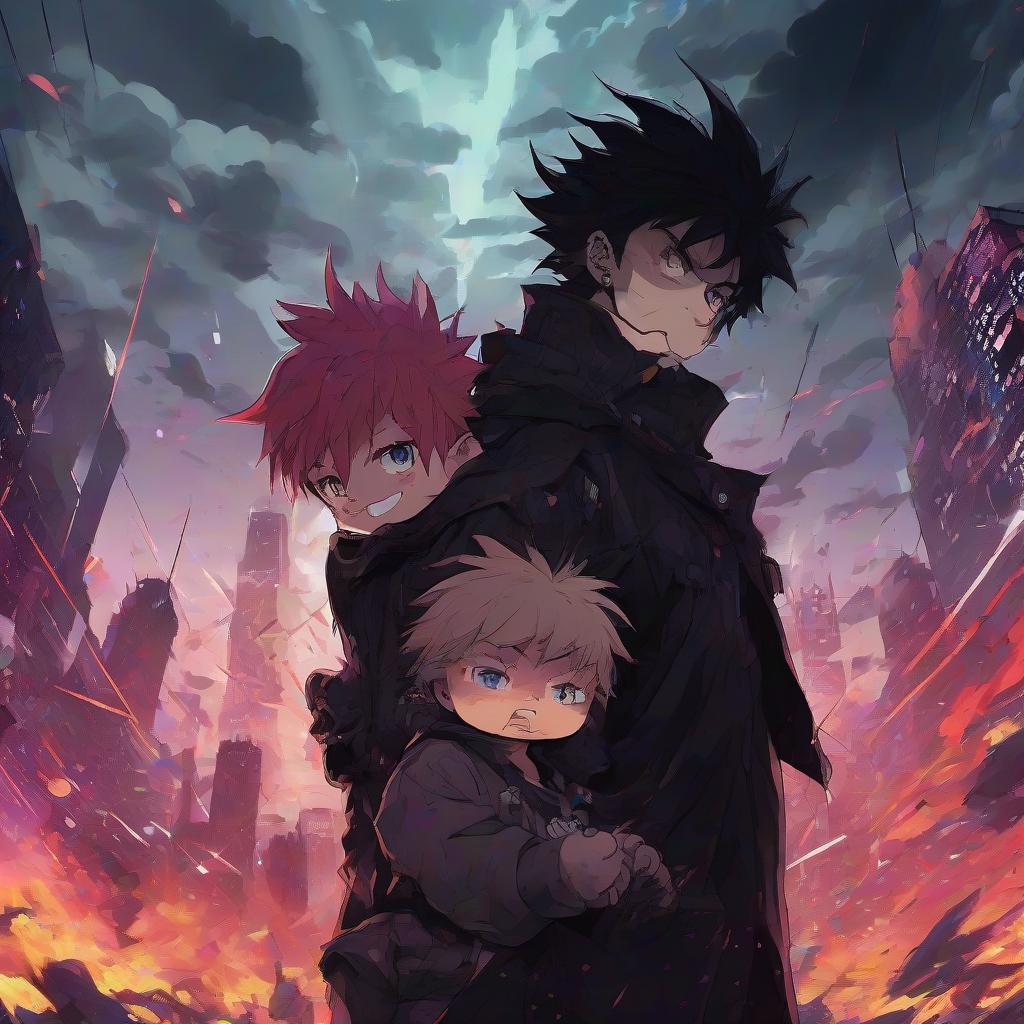
DEMONS' NIGHT FEVER brings a new take on grid-based strategy RPGs to the Nintendo Switch, spearheaded by Sohei Niikawa, a name synonymous with the beloved Disgaea series. For fans of dark, irreverent humor and deep, albeit sometimes frustrating, tactical gameplay, this title offers a unique blend of familiar charm and fresh, brutal mechanics.
Embracing the Chaos: The Peon Exploitation System
At its heart, DEMONS' NIGHT FEVER is about embracing evil. Players step into the shoes of Killshiro Katanaka, a misanthropic hero recruited by the depowered demon lord Giga Super Death. Your mission: to relive and re-enact the demon lord's vast and varied misdeeds through a series of tactical simulations. The narrative setup is wonderfully absurd, from claiming post-apocalyptic turf to casting one million men. However, the true star is the infamous "Peon Exploitation System."
Unlike traditional SRPGs where protecting your units is paramount, DEMONS' NIGHT FEVER encourages the merciless sacrifice of your own allies, or Peons. Each Peon comes with unique effects that activate upon their demise, ranging from dealing damage and pushing enemies to applying crucial buffs or debilitating debuffs. Clever positioning and strategically slaughtering your party members becomes the core of your offensive. The more misdeeds you commit, the stronger your army, and even better, killed Peons reincarnate stronger, removing any qualms about their disposability. You even have skills like Teleport to manipulate unit placement for maximum effect. The game ensures you understand these mechanics through extensive tutorials, perhaps even to a fault.
A Twisted Sense of Humor and Engaging Narrative
One of the game's greatest strengths lies in its narrative and characterization, hallmarks of Niikawa's previous works. Killshiro is a delightfully chuuni protagonist with a "Kill Note" of grievances, and his journey alongside the baby-fied Giga Super Death is packed with madcap adventures. The humor is consistently off-kilter, filled with kitschy pop-culture references, from Sentai heroes to magical girls, and isn't afraid of low-brow jokes and innuendos reminiscent of Disgaea's most infamous gags. Chapters offer unique thematic twists, like Killshiro being forcibly feminized into a busty witch or becoming a warlord in a post-apocalyptic setting, ensuring variety in the zany storytelling.
Beneath the layers of dark humor and cartoonish evil, the game touches on a more human tone. Killshiro, despite his misanthropic tendencies, grapples with the morality of his actions. The game explores whether the desire to be evil truly persists, raising questions about the toll of wickedness on the soul. This blend of comedic absurdity and surprisingly thoughtful introspection gives the narrative unexpected depth, making characters like Killshiro and Giga Super Death surprisingly endearing.
The Double-Edged Sword of Randomization
While the concept is fresh, the execution of the strategy mechanics can be a source of significant frustration. A major hurdle is the lack of direct control over your Peons. You cannot explicitly command them to "go here and attack this." Instead, you have indirect influence over their AI priorities, relying heavily on your Teleport skill to manipulate their positioning. Adding to the challenge, Peons and their skills are acquired through an entirely random "Abduction" system. You never know if you'll get a power-boosted Reincarnated Peon or a new recruit with unpredictable abilities. Survivability is also an issue; while Peons can take some hits, powerful enemies can wipe out entire groups, leaving you scrambling.
Each chapter introduces its own "theme," drastically altering gameplay. For example, one chapter removes your Teleport ability and grants Killshiro a huge body for knocking enemies, while providing Peons focused on buffs over raw damage. The intent is to encourage adaptable strategies, but this is hampered by a strict time limit per chapter. A string of bad luck in randomized battles or a struggle to adapt to a chapter's unique mechanics can lead to a negative feedback loop. Poor performance means fewer Achievements, which grant crucial boons for later chapters, making subsequent challenges even harder. While replaying earlier chapters is possible, you restart with the stats and Peons from your previous chapter's end, not a fresh start.
Final Verdict: A Fiendishly Fun but Flawed Experience
DEMONS' NIGHT FEVER is a game of charming contradictions. Its sharp humor, memorable characters, and creative premise are incredibly appealing, offering a much-needed dose of dark comedic relief for fans of the genre. Killshiro is a lovable loser, and the game's willingness to go to absurd lengths for a joke is commendable. However, the core strategy gameplay, while innovative, is mired in excessive randomization and a punishing difficulty curve that can lead to frustrating setbacks. While the game provides extensive tutorials, the learning curve is steep due to the unpredictable nature of your units and chapter-specific limitations.
For those who appreciate Disgaea's madcap spirit and are willing to wrestle with deeply randomized strategic elements, DEMONS' NIGHT FEVER offers a unique and memorable adventure. It asks players to truly embrace their inner demon, but be prepared to work hard and get a little frustrated along the way. Despite its gameplay quirks, the journey through Giga Super Death's misdeeds is often hilarious and surprisingly thought-provoking, making it a worthwhile, if challenging, addition to the Nintendo Switch SRPG library.