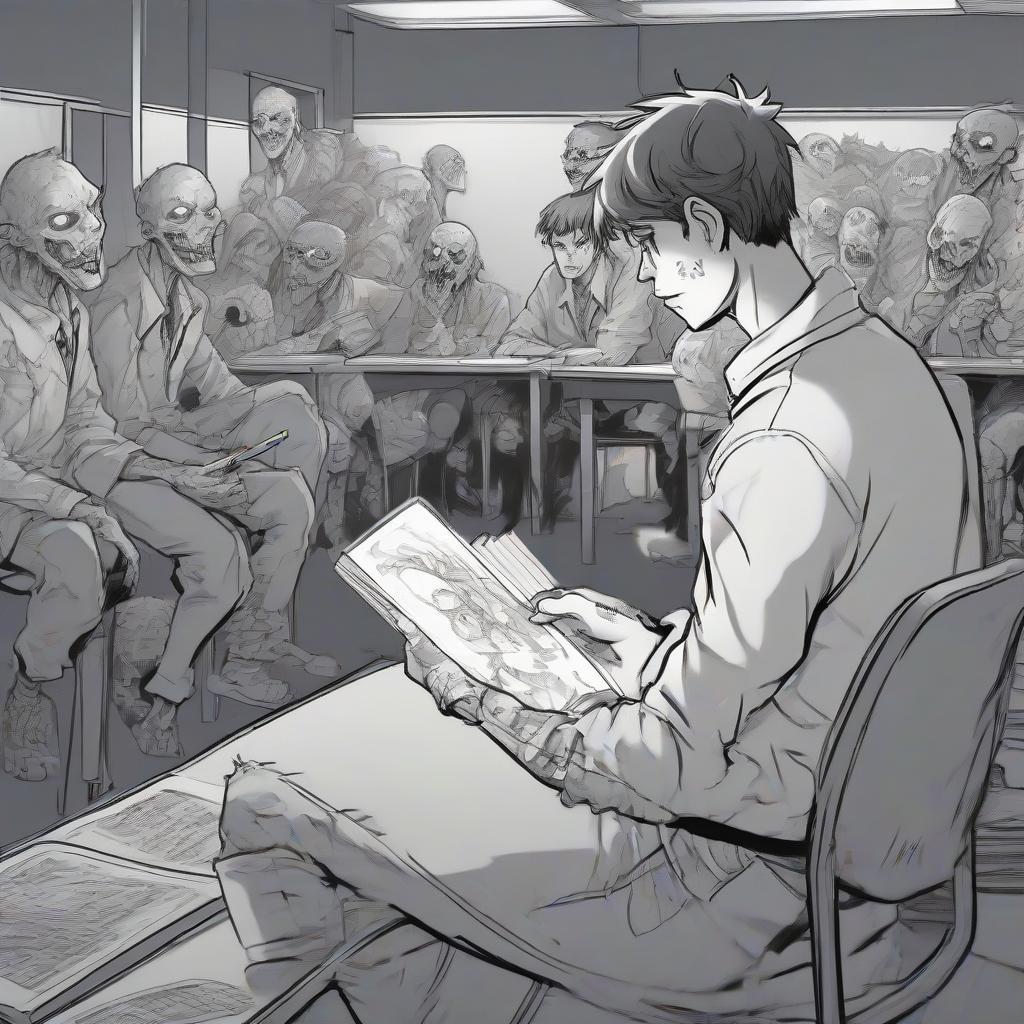
Dong-geun Joo: The Mind Behind All of Us Are Dead and the Global Zombie Phenomenon
Dong-geun Joo, the visionary creator of the hugely popular webtoon All of Us Are Dead, recently made a significant appearance at the Korean Culture Center Los Angeles. His visit was part of an event celebrating Korean webtoons, underscoring the growing global impact of this unique digital comic format. Known for pioneering zombie narratives in Korean webtoons, Joo's work later achieved international acclaim through its adaptation into a hit Netflix live-action series. This deep dive explores his creative journey, from his early inspirations to his latest projects, revealing the insights of a creator whose work has captivated audiences worldwide.
Zombie Beginnings and Influences
Joo's decision to make zombies the central theme of his debut work was driven by a simple yet powerful principle: draw what you love most. He recounts his early college days, where films like George A. Romero's Dawn of the Dead and Danny Boyle's 28 Days Later profoundly shaped his artistic sensibilities. For Joo, crafting a zombie narrative felt entirely natural, a testament to his long-standing fascination with the genre. Interestingly, during the creation of All of Us Are Dead, he consciously avoided watching The Walking Dead, despite its immense popularity. This deliberate choice stemmed from a desire to protect his unique creative vision from external influences, a common challenge for artists navigating popular genres. He eventually enjoyed the series after his own work was complete, highlighting his respect for other creators while maintaining his artistic independence.
Japanese Horror and the School Setting
While not directly influenced by Japanese zombie stories due to their scarcity at the time, Joo acknowledges a broader, subconscious impact from Japanese horror and thriller manga. He grew up immersed in the works of masters like Junji Ito, whose distinctive style and macabre themes undoubtedly contributed to Joo's general approach to horror. This exposure to diverse narratives shaped his creative foundation.
The choice of a high school as the primary setting for All of Us Are Dead was equally personal and strategic. Having recently graduated himself, Joo found comfort and familiarity in depicting a world he knew intimately. Beyond personal experience, he views a school as a microcosm of society, a crucible where various character types converge, offering an abundance of narrative possibilities. This setting allows for intense social dynamics and dramatic personal conflicts, amplified by the terror of a zombie outbreak.
Netflix Adaptation: A Creator's Perspective
The adaptation of All of Us Are Dead into a Netflix series brought Joo's work to an unprecedented global audience. His approach to the live-action series, however, was remarkably hands-off. He viewed the adaptation as a separate creative entity, respecting the vision of Director Jae-kyoo Lee, an established figure in the industry. Joo even chose not to read the script, preferring to experience the finished product as a viewer. This perspective is insightful for fans and creators alike. While audiences often hope for faithful adaptations, Joo highlights the artistic value in reinterpretations. He believes that differences between the source material and its adaptation can spark curiosity, encouraging new viewers to discover the original webtoon, thus creating a positive feedback loop for both versions of the story.
Global Fandom and Webtoon's Rise
The success of All of Us Are Dead has opened doors for Joo to meet fans in eight countries, a testament to the universal appeal of his storytelling. He expresses immense gratitude for the warm reception he has received worldwide. More significantly, Joo has observed a tangible shift in how fans discover his work. In earlier days, most fans would first encounter the Netflix series before seeking out the original webtoon. However, in recent years, he has increasingly met fans who proudly declare themselves readers of the original webtoon first, signaling the significant growth and global recognition of the webtoon platform itself. This evolution highlights webtoons' emergence as a powerhouse in digital entertainment.
Discovering Adonai
When asked to recommend another one of his works, Joo, while acknowledging all his creations as his "children," enthusiastically points to his latest series, Adonai. This ambitious work delves into complex themes of cults and aliens, drawing comparisons to thought-provoking series like 3 Body Problem. Joo is particularly intrigued by how Adonai's divisive ending might resonate with English-speaking readers. Although an official English translation is not yet available, his anticipation for Adonai to reach overseas audiences underscores his desire to connect with a broader international readership.
Dong-geun Joo's journey exemplifies the power of a creator's passion and the expanding reach of webtoons on the global stage. From his early love for zombies to his thoughtful approach to adaptations and his latest speculative fiction, Joo continues to push creative boundaries, leaving a lasting impact on the world of digital comics and beyond.