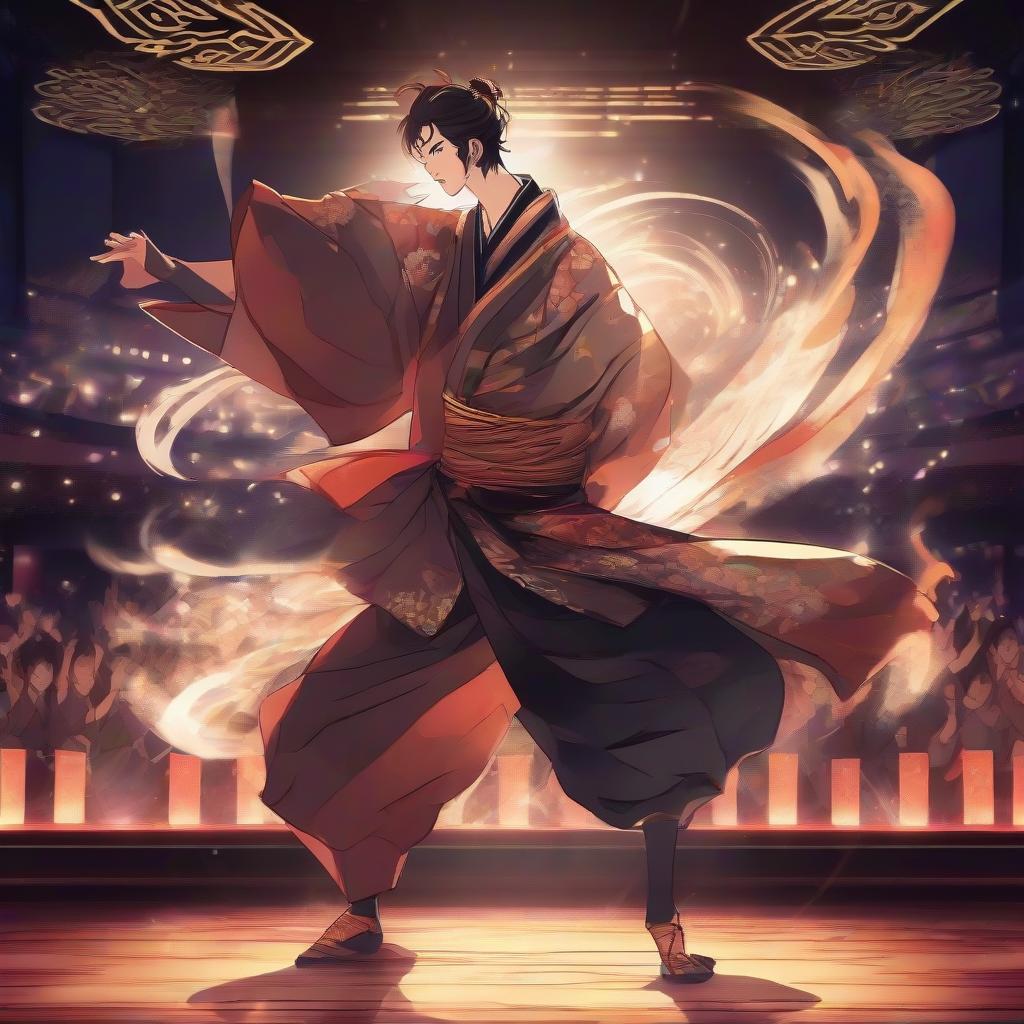
Discovering The World Is Dancing Manga
Kazuto Mihara's The World Is Dancing offers a fascinating, fictionalized account of Zeami Motokiyo's early life, known as Oniyasha in his youth. This manga delves into the artistic endeavors of the most celebrated actor and playwright of Noh, one of history's oldest performance arts. For those eager to explore the rich history behind Noh and Zeami's immense contributions, supplemental essays from historical advisor Katsuyuki Shimizu and veteran Noh actor Kōhei Kawaguchi are invaluable additions at the end of each volume. The series beautifully reminds us that the core elements of theatre – the pursuit of craft, clashes of ego, camaraderie, and the desire to deeply affect an audience – transcend centuries.
The Universal Question of "Why?"
The journey in The World Is Dancing begins with a fundamental question: "Why? Why should I care about dancing?" Oniyasha, initially performing out of habit, lacks joy in his art. This changes when he encounters a struggling dancer, witnessing how performance can genuinely move an audience. This revelation sparks not only his passion but also a new, more complex question: "What is good?" This struggle resonates deeply with any creative individual, performer, or writer trying to define "good art." Is it about pleasing crowds, raw talent, diligent effort, or something entirely different? The manga expertly portrays Oniyasha's repeated encounters with this question, turning missteps and challenges into catalysts for growth and deeper artistic expression.
Art as a Unifying Force
Shogun Ashikaga Yoshimitsu, Oniyasha's patron, sees the unifying potential in his dancing. He may not immediately grasp what makes Oniyasha's art "good," but he recognizes its inherent power to connect with people. This patronage highlights art's enduring role in society, not just for its aesthetic value but for its capacity to enrich lives and, in turn, benefit society as a whole. Many nations continue to support the arts through grants, acknowledging their importance beyond mere commerce, fostering cultural identity and human connection.
The Intersection of Art and Livelihood
While art enriches the soul, it rarely guarantees immediate financial security. The World Is Dancing candidly addresses the practicalities of art, class, and commerce. Performers of Oniyasha's era enjoyed a unique social status, esteemed by nobility yet free to mingle with commoners during their tours – a common practice as most troupes relied on touring for income. The manga makes it clear from the outset that artists need fair compensation for their work, as fundamental needs like food remain constant, regardless of artistic pursuit. This aspect of the narrative grounds the artistic journey in tangible reality.
The Ever-Evolving Nature of Art
Art is seldom static; it continually evolves. The World Is Dancing illustrates this through Oniyasha's willingness to rewrite scripts and adapt performances to resonate with contemporary audiences. Even with established traditions, new interpretations emerge when material falls into new hands. The series explores how art forms and memories persist, not just through preservation but through constant reinterpretation and inspiration from old traditions. For instance, the discussion of Noh masks – designed to portray static, larger-than-life characters – finds a modern parallel in suit actors, who similarly embody characters through restrictive costumes and masks, adapting their physicality to the demands of the role.
Rivalry as a Catalyst for Growth
Friction is often essential for artistic progress, and a compelling rival can be the greatest motivator. The prolonged rivalry between Oniyasha and Zenjiro perfectly exemplifies this. Their journey from mutual dismissal and defeat to fierce competition and eventual collaboration pushes each to elevate their craft. This isn't always a friendly dynamic, but that adversarial tension provides a unique impetus for artistic improvement that might otherwise be absent. This dynamic is a powerful narrative thread, demonstrating how challenges and opposition can refine and strengthen one's art.
Localization Excellence and Lasting Resonance
The storytelling in The World Is Dancing is greatly enhanced by its superb localization. Given its deep roots in Japanese history, the series provides ample context through initial notes on key players, terms, and historical background. Translator Megan Turner and editor Sage Einarsen masterfully integrate historical information while maintaining a page-turning narrative. Dietrich Premier's lettering consistently grounds the proceedings, yet adeptly elevates the emotional intensity during performances. Reading this series reignited a personal connection to the creative process, a reminder that art, whether in prose or on stage, is pursued for work, for pleasure, or simply because it is possible. While the quest to define "good" art remains ongoing, the journey itself, with all its challenges, is deeply rewarding.