Dead or Alive 6 Last Round: A Return with Reservations
Dead or Alive 6 Last Round arrives as a revised iteration of the 2019 original, bringing back beloved characters like Ayane, Kasumi, and Ryu for high-octane 3D fighting. Developed and published by Koei Tecmo Games, this release is available on PlayStation 5, Xbox Series X/S, and PC/Steam. While the core gameplay remains robust and enjoyable, the product as a whole is fundamentally mishandled, leading to a complex evaluation.
The Core Gameplay: Still a Knockout
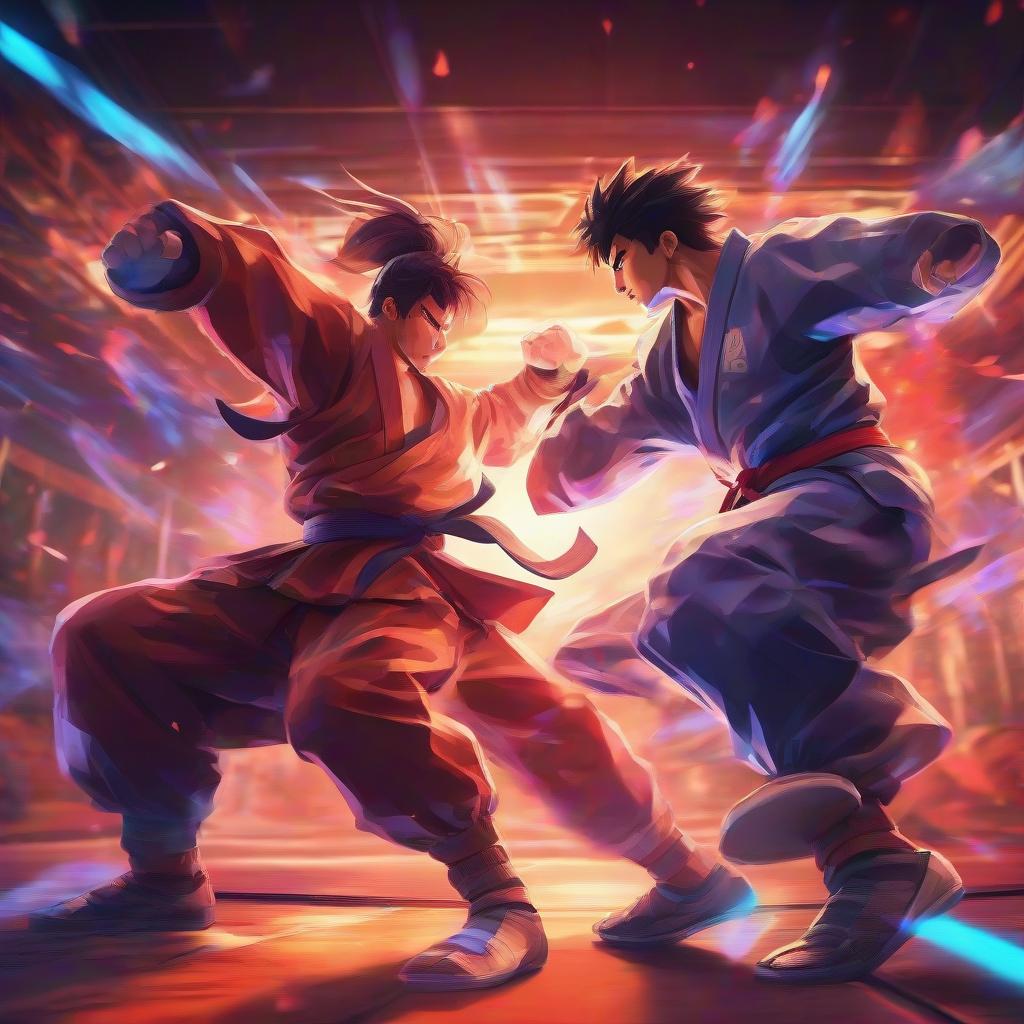
At its heart, Dead or Alive 6 Last Round is an excellent fighting game. For players familiar with the original release, the gameplay feels largely unchanged, a faithful rerelease that retains the original's strengths. The series' distinctive combat system, branching off from Virtua Fighter's lineage, offers a relatively simple scheme of punch, kick, block, and hold buttons. These inputs combine with directional controls to create a wide array of attacks. Simple chains allow for accessibility, while the critical hold and counter mechanics reward strategic reads and timing, fostering engaging back-and-forth exchanges. Light meter management, 3D fighter staples like sidestepping, and orbital moves further enrich the combat. The action is explosive and visually dynamic, even during basic strings, ensuring fights look as good as they feel.
Modes and Visuals: A Strong Single-Player Offering
The mode selection in Dead or Alive 6 Last Round is solid. Beyond the essential Versus mode for local and online play, the story mode is a delightfully chaotic experience. Its nonsensical narrative and over-the-top character entrances, often featuring exaggerated physics, provide a unique and entertaining diversion. The standout feature is the DOA Quest mode. Similar to World Stage in Virtua Fighter, it presents a series of increasingly difficult CPU opponents. Each fight comes with specific challenges—such as using certain mechanics, performing combos of a given length, or meeting special conditions—acting as mini-achievements. Crucially, if a challenge is missed, the game offers a single button press to jump to a relevant tutorial section for practice before retrying, making it an excellent extended tutorial and single-player progression system. This mode effectively encourages players to explore the entire cast and system nuances while earning currency for costume unlocks.
Visually, the game has received subtle upgrades. While not drastically different from the original Dead or Alive 6, which already looked good, direct side-by-side comparisons reveal slightly crisper visuals. However, these improvements are minimal and often hard to appreciate amidst the fast-paced action. The game's initial price point of US$39.99, coupled with a free-to-play option that includes core cast members, appears fair at first glance, especially with the promise of future DLC characters to maintain engagement.
The Albatrosses: Multiplayer and Monetization Woes
Despite its strong fundamentals and engaging single-player content, Dead or Alive 6 Last Round is severely hampered by critical omissions and questionable design choices. The absence of rollback netcode and crossplay immediately renders the online multiplayer experience significantly compromised. In the current fighting game landscape, these features are no longer luxuries but necessities for a healthy and thriving online community. Without them, the player base is fractured by platform, and online matches often suffer from latency, making the game a non-starter for competitive play and hindering casual engagement. This is a severe blow for a series attempting to regain prominence in a crowded market.
Adding to these issues is the game's aggressive monetization framework. While some costumes can be unlocked through gameplay, the game is overflowing with paid costumes, many of which were present in the original title. Furthermore, characters like Mai and Kula, who were DLC in the prior release, must be purchased again. This creates a substantial cost barrier for both new and returning players, undermining any initial goodwill generated by the base game's price. Such extensive paid content, particularly for previously available items, creates friction that actively discourages community growth and engagement.
Conclusion: A Good Game, A Bad Product
Dead or Alive 6 Last Round embodies a frustrating paradox: a great fighting game trapped within a poorly conceived product. The core gameplay is undeniably excellent, offering deep mechanics and engaging modes that cater to both solo and casual players. However, Koei Tecmo's decision to rerelease the 2019 game without essential modern fighting game features like rollback netcode and crossplay, combined with an aggressive and dated monetization strategy, severely undermines its potential. In an era where competition for player attention is fierce, Dead or Alive 6 Last Round fails to meet contemporary expectations. What might have been considered acceptable once upon a time is no longer sufficient for a paid product in today's market. Dead or Alive 6 remains a good game at its core, but Dead or Alive 6 Last Round as a product is fundamentally flawed, earning it a C- grade. Its potential for a thriving multiplayer scene is Dead on Arrival, and its single-player experience is marred by persistent monetization prompts.