Nippon Sangoku The Three Nations of the Crimson Sun concludes its inaugural season with an electrifying, brutal, and utterly shocking twelfth episode. The community has rated this finale highly, averaging 4.4, and it is easy to see why. This episode delivers a veritable avalanche of bloodbaths, backstabbings, and a truly bastard cliffhanger that leaves viewers stunned and craving more. It was clear from the outset that Aoteru and Yoshitsune's noble dream of a peacefully united Japan faced immense obstacles. However, the sheer scale of the turnaround engineered by Taira in this finale was genuinely unexpected, pulling the rug out from under our heroes in a spectacular fashion.
Tactical Brilliance and a Gritty Victory
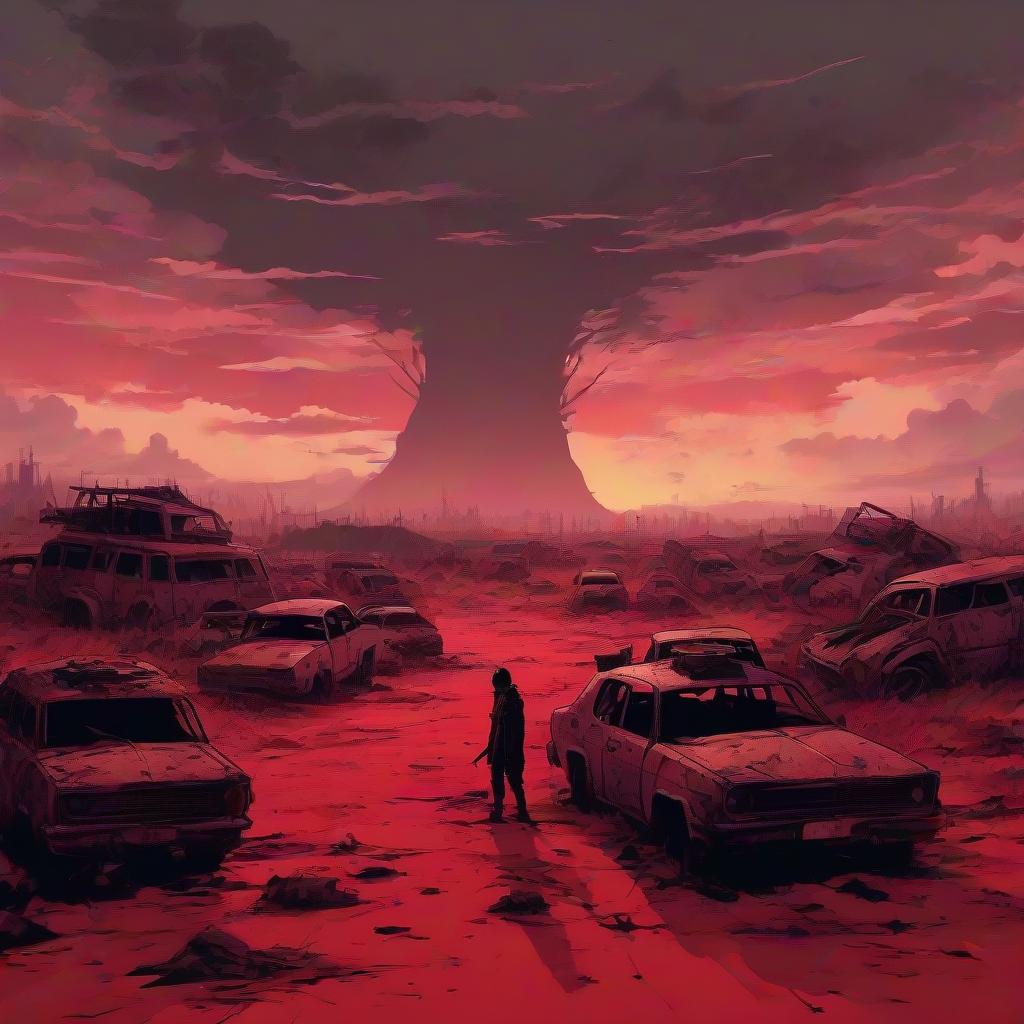
The episode begins with the taste of triumph. Aoteru's strategic foresight, hinted at in the previous week, comes to fruition with devastating effect. The feint of retreat successfully lures Wajima and the unsuspecting Seii army into a gruesome deathtrap. This moment is a testament to Nippon Sangoku's creative integration of its post-apocalyptic setting into its warfare. Crushing Wajima's troops under a mountain of abandoned, rusted-out cars from the pre-apocalypse era was an incredibly cool and effective maneuver, showcasing the show's unique world-building. This innovative tactic highlights the strategic depth the series offers, and it is something fans will undoubtedly hope to see more of in future seasons. While this finale leans more on grand tactics than excessive individual action, the image of Wajima's ambitious campaign ending in a literal slow-motion pileup of countless dead relics is profoundly fitting and visually impactful. It is a grim, memorable tableau that underscores the harsh realities of this divided land.
Taira's Ruthless Ascendancy
Despite the tactical brilliance that secured victory for Yamato and marked Kaku's final, pivotal act as its great strategist, the tide turns with terrifying speed. The celebratory atmosphere of the preceding peace talks between the two nations quickly devolves into a brutal power play orchestrated by Taira. His ambition to secure his spot at the head of the table is realized through a ruthless and swift consolidation of power. Wajima, once a formidable leader, is summarily executed by her own people under false pretenses, a stark reminder of the volatile political landscape. Yamato's Emperor is abruptly declared a mere powerless symbol, effectively dismantling the existing power structures. Taira swoops in, seizing absolute control through a bloody and unforgiving crusade. The consequences are immediate and far-reaching: Aoteru and Ryumon, central figures in our narrative, find themselves among the many rivals locked away in prison. Seii, once a formidable opposing nation, is utterly crushed under the might of Taira's brutal regime, leaving a trail of devastation and despair.
The Chronicle's Unique Narrative Style
The sheer volume of pivotal events compressed into just a dozen minutes is astounding. This rapid progression highlights one of Nippon Sangoku's most distinctive qualities: its styling as a historical chronicle. This pseudo-documentary approach simultaneously serves as both a strength and a slight detractor. On one hand, it brilliantly captures the sweeping political maneuvers and their monumental consequences, offering a grand, overarching perspective on how these events fundamentally reshape this post-apocalyptic version of Japan. It excels at portraying the "big picture" of a nation in flux. However, this narrative distance can sometimes mute the personal impact on our individual characters. The brutal execution of Wajima, for instance, is reported with a detached indifference by the narrator, mirroring the treatment of other deaths throughout the series. Similarly, Aoteru's imprisonment, potentially for years, is barely glimpsed before the episode concludes, leaving little room to dwell on his personal plight.
A Stellar Season and Eager Anticipation
This narrative approach is not necessarily a flaw in Nippon Sangoku's execution; rather, it is an obviously intentional and meticulously crafted stylistic choice. Yet, for some viewers, the season finale might mark the first instance where this methodical pacing and narrative distance slightly pull them out of the immediate enjoyment of the story's emotional beats. Despite this minor point, it unequivocally does not diminish the overall artistic merit of Nippon Sangoku. The series has consistently delivered an exemplary work of art throughout its entire season. It stands as one of the best anime released this year, easily carving out a significant place in the contemporary anime landscape. The cliffhanger ending, with its vast implications for the future of Japan and our imprisoned heroes, leaves an indelible mark. The anticipation for a second season is incredibly high; it simply cannot come soon enough. Fans are left to ponder the fate of Aoteru, the future of Yamato, and the depth of Taira's tyrannical reign. The stage is set for an even more intense and dramatic continuation.