For fans who endured a fourteen-year hiatus, the return of Bleach with The Thousand-Year Blood War has been a monumental event. What started as an eight-year journey on screen left many questions unanswered: Aizen's true motivations, the origins of protagonist's diverse powers, and the full history of the conflict between the Soul Reapers and the Quincies. Over the past few years, the anime has delivered these answers, tying together narrative threads with exceptional skill and creator involvement, building towards an epic climax. Now, as the final year unfolds, a special early premiere of the first three episodes, dubbed The Calamity, offers an electrifying taste of what's to come. My strongest advice to any fan, new or old, is to experience this immediately before the internet inevitably spoils its most impactful moments.
Strategic Storytelling and Unveiling Mysteries
It's important to note that The Calamity premiere, while expansive, strategically paces its reveals. The Thousand-Year Blood War adaptation has been transformative, benefiting immensely from Tite Kubo's direct involvement. This collaboration means certain narrative beats are expanded, while others are presented at different junctures than in the original manga. For instance, the highly anticipated confrontation between the main hero and the antagonist only reaches a thrilling build-up, saving the full clash for later television broadcasts. A pivotal, game-changing reveal occurs mid-battle, and the heroine plays a crucial role in supporting her ally. However, the full impact of a certain transformation will keep fans waiting until July, and the complete, much-awaited battle involving a colossal foe and three beloved protectors is also reserved for future episodes. This measured approach is understandable, as this only represents the initial act of the final season, creating anticipation rather than immediate gratification.
Unforgettable Battles and Visual Masterpieces
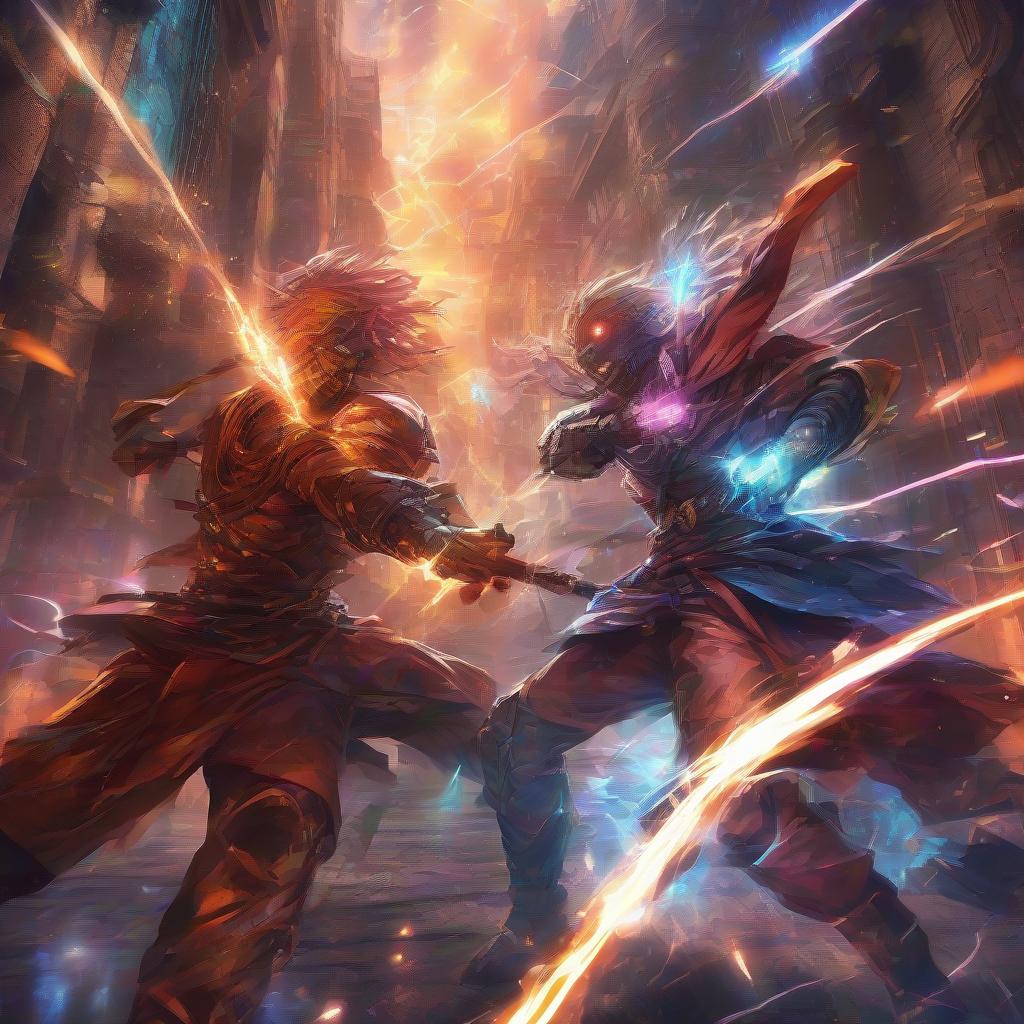
Despite the strategic delays, The Calamity delivers two phenomenal, long-awaited battles back-to-back. The moment the moniker 'God of Thunder' was mentioned last season, fans eagerly anticipated the furious struggle involving a lightning-fast combatant and a peculiar foe. The premiere executes this perfectly. The combatant's electrifying, agile form is captivating, eliciting cheers and excitement from the audience. The intensity of the assault, as the figure darts across rooftops, striking the resilient adversary repeatedly, is genuinely exhilarating. This segues seamlessly into another combatant's turn, who finally unleashes a long-hidden ultimate ability. Here, the anime truly shines, visually transcending the original manga panels. The ultimate ability's introduction is presented from its own perspective, creating an almost haunting, immersive experience. Its intricate, segmented appearance and unsettling creaking noises envelop the soundscape. During the fight, single panels of a character leaping across surgical stitches become dynamic pathways for acrobatic movement, resulting in a fluid, visually coherent battle that makes the surprise appearance of another character even more impactful.
An Expanded Confrontation and Aesthetic Brilliance
Perhaps the most significant expansion in this premiere is the intense duel between two powerful Quincy. This battle, originally depicted off-screen alongside the main hero's struggle, gains new depth. The production's close collaboration with the original creator is evident as, for the first time, we witness the antagonist's appearance while imbued with supreme power. Lacking the ability to unleash a traditional ultimate form, the antagonist instead appears as a grotesque, corrupted knight, oozing dark matter from every pore—a truly unsettling sight. What unfolds is arguably the series' finest battle between two Quincy, almost making up for the main hero's cliffhanger. Visually, this season exudes a newfound confidence in the series' updated aesthetic. Greater attention is given to the brilliance of digital effects, and the use of CG cameras is particularly noteworthy. The underground Quincy duel evolves into a dynamic, almost geometric display of power without ever becoming disorienting. The lightning effects coating a feline-like combatant are striking yet carefully designed not to obscure the figure's silhouette, enhancing the sense of raw power. While the raw animation might not surpass the sheer spectacle of previous legendary fights, the agility and precision displayed in the urban combat sequence evoke comparisons to top-tier action anime. The series' new visual style, once debated among animation connoisseurs for its flashiness, has clearly found its stride.
The Enduring Power of Sound
Some elements, however, remain consistently perfect: the score by Shiro Sagisu. Known to many through collaborations on other iconic anime, Sagisu's versatility is undeniable in Bleach. No other action soundtrack so seamlessly blends Flamenco, Electronica, and Soul music into its core themes. Hearing classic tracks like 'On the Precipice of Defeat' reimagined with a full orchestra is an absolute delight. While the new rendition of a beloved main theme is reserved for the credits, several powerful tracks from the previous season make a triumphant return. A particular highlight is '1106 TYBW CH united,' which brilliantly fuses choir, orchestra, rock band, and electronic beats to symbolize the unity of three worlds. Its masterful deployment within the narrative is sure to resonate deeply with viewers.
A Final Act for the Ages
Discussing the final arcs of long-running action series is often complex. Theoretically, they represent the culmination of years of storytelling, revealing all answers and pitting characters against their ultimate challenges. Yet, fans often look back to earlier peaks rather than the actual ending. Many consider the 'Soul Society Arc' to be Bleach's pinnacle. I respectfully disagree, not because that arc isn't fantastic, but because every subsequent arc has continually built upon and expanded that foundational story. If The Calamity is any indication of what's to come, Bleach is poised to deliver one of the most compelling and satisfying final arcs in the history of anime. This triumphant return is a testament to its enduring legacy.
Grade Summary:
-
Overall: A
-
Overall (dub): A
-
Story: A
-
Animation: A+
-
Art: A
-
Music: A+
-
Pros: A triumphant return delivering two fan-favorite moments with exceptional execution.
-
Cons: Two other crucial moments are paused just as they reach their peak, requiring a wait for future episodes.