Agents of the Four Seasons Episode 9: The Pacing Problem Persists
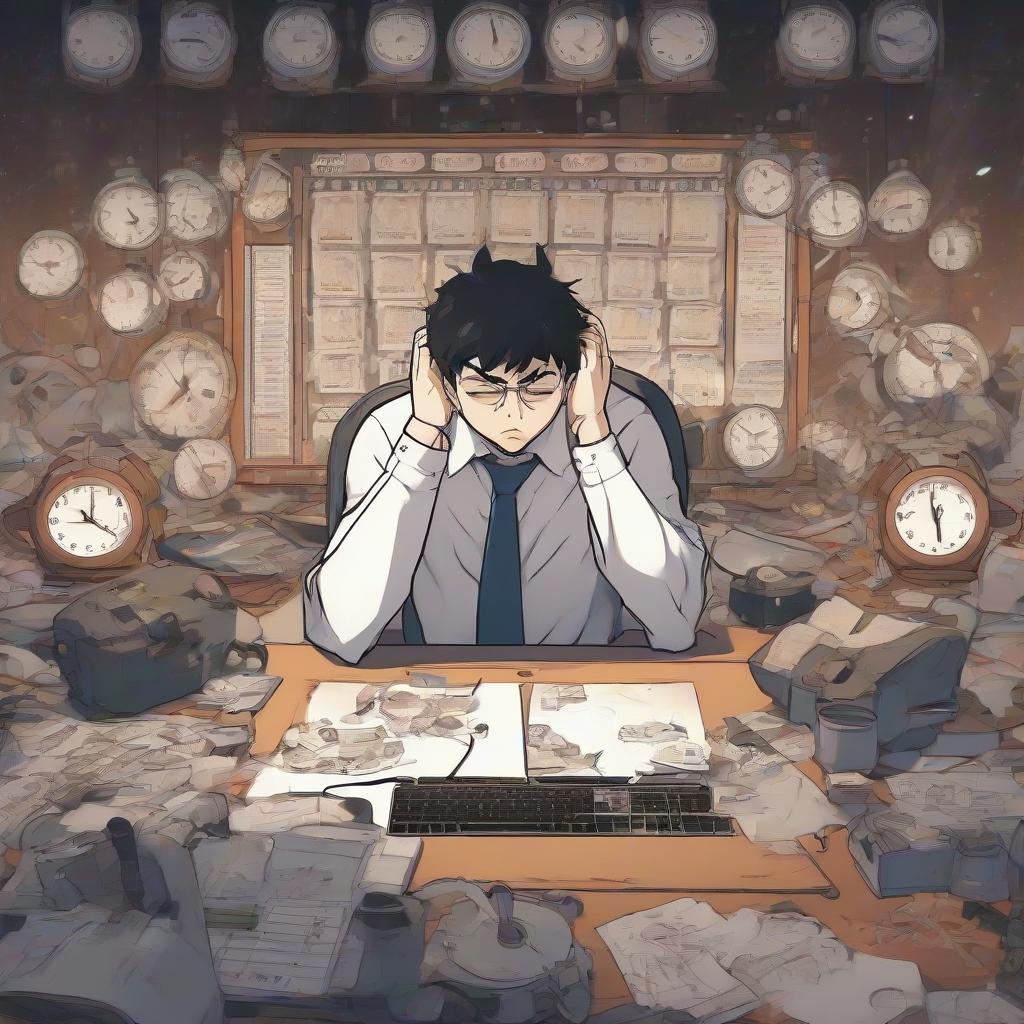
"Agents of the Four Seasons: Dance of Spring" reaches its ninth installment, continuing a trend of narrative stagnation that has widely frustrated its audience. With a community score of 3.8, the sentiment is clear: what started as a visually promising series has struggled immensely with its execution, particularly in pacing. Episode 9, regrettably, does little to break this cycle, instead reinforcing the slow, repetitive emotional beats and minimal plot progression that have characterized much of the season.
A Narrative Stuck in Time
The central journey of the Spring Agents, tasked with reviving Spring, began with a compelling setup: a traumatized guardian overseeing a delicate ritual. Early on, a brief skirmish with insurgents alongside the Summer Agents provided a fleeting moment of action. Yet, since those initial episodes, their story has progressed at a glacial pace. The only notable event in recent memory was an emotional flare-up in Episode 6. Episode 9 merely extends this stasis, offering no fresh insights into their relationship or mission. The "slow, ritualistic process" has morphed into an endless, wearisome cycle.
The critique is scathing: the core story—the guardian's trauma, the agent's role, the initial conflict—could easily have been covered in three to five episodes. This alternate version might still have its melodramatic moments or vague world-building, but it would spare viewers the exhaustion of repeated explanations. Instead, we've endured nine weeks of characters rehashing the same traumas, shown and re-explained ad nauseam. This constant reiteration offers no deeper understanding, just a tiresome echo of what we already know, driving critics and audiences alike to frustration.
Uneven Focus and Stagnant Characters
The pacing issues are compounded by uneven character treatment. The Agents of Winter are conspicuously underutilized. One guardian's relevance seems confined to flashbacks of an agent's kidnapping, making his continued, passive presence in the main storyline baffling. He exists solely to lament loss and guilt, a narrative loop that adds nothing new to the present-day plot. Viewers are repeatedly subjected to his struggles, implying a lack of faith in the audience's ability to grasp his emotional state from earlier exposition.
Conversely, the story of the Agent of Autumn and her Guardian suffered from being overly condensed. Their complex relationship, the agent's violent kidnapping, and the guardian's conflicted feelings were introduced and significantly advanced within a single episode. This stark contrast highlights the show's inconsistent narrative rhythm, where pivotal arcs are either rushed or drawn out excessively. It's a disservice to both the characters and the potential richness of their stories, leaving audiences questioning the series' overall storytelling priorities.
Episode 9's Belated "Action"
Episode 9, unfortunately, does little to inject much-needed momentum. Weeks have passed with virtually no new character development or plot revelations. We are treated to more flashbacks of the Spring guardian's past misery and the Spring agent's repetitive dialogue. The show, seemingly confident in its "Important Art" status due to its trauma themes, appears to justify its inert, solipsistic non-drama and its considerable consumption of viewer time.
The single, albeit belated, plot point in Episode 9 is the decision for "all of the characters" to finally "team up and rescue poor little Nadeshiiko." This collective resolution comes after more than two-thirds of the season has elapsed, an action that typically anchors the early to mid-point of a standard narrative arc. The promise that "they're going to put their minds together and do something interesting next time" feels less like an exciting cliffhanger and more like a desperate, long-overdue attempt to ignite a spark in a flagging plot.
A Beautiful But Empty Spectacle
The profound dissatisfaction with "Agents of the Four Seasons: Dance of Spring" is clear. What began as a visually appealing concept has devolved into an endurance test, a "very pretty but empty proof-of-concept" masquerading as a television series. The endless repetition, lack of character growth, and excruciatingly slow plot have left many viewers feeling utterly detached. The show's persistent refusal to move forward, to explore new dynamics, or to build upon its initial premise has transformed its promising start into a source of immense frustration. For a series ostensibly about bringing Spring, it remains firmly entrenched in a narrative winter, desperately in need of a thaw before audience patience completely freezes over.